
HOA or Neighbor? How Utah’s 2026 HOA Changes Affect Property Disputes
Fighting with your HOA or a neighbor over HOA rules? Here is how Utah's 2026 HOA changes may affect the dispute and where to start.
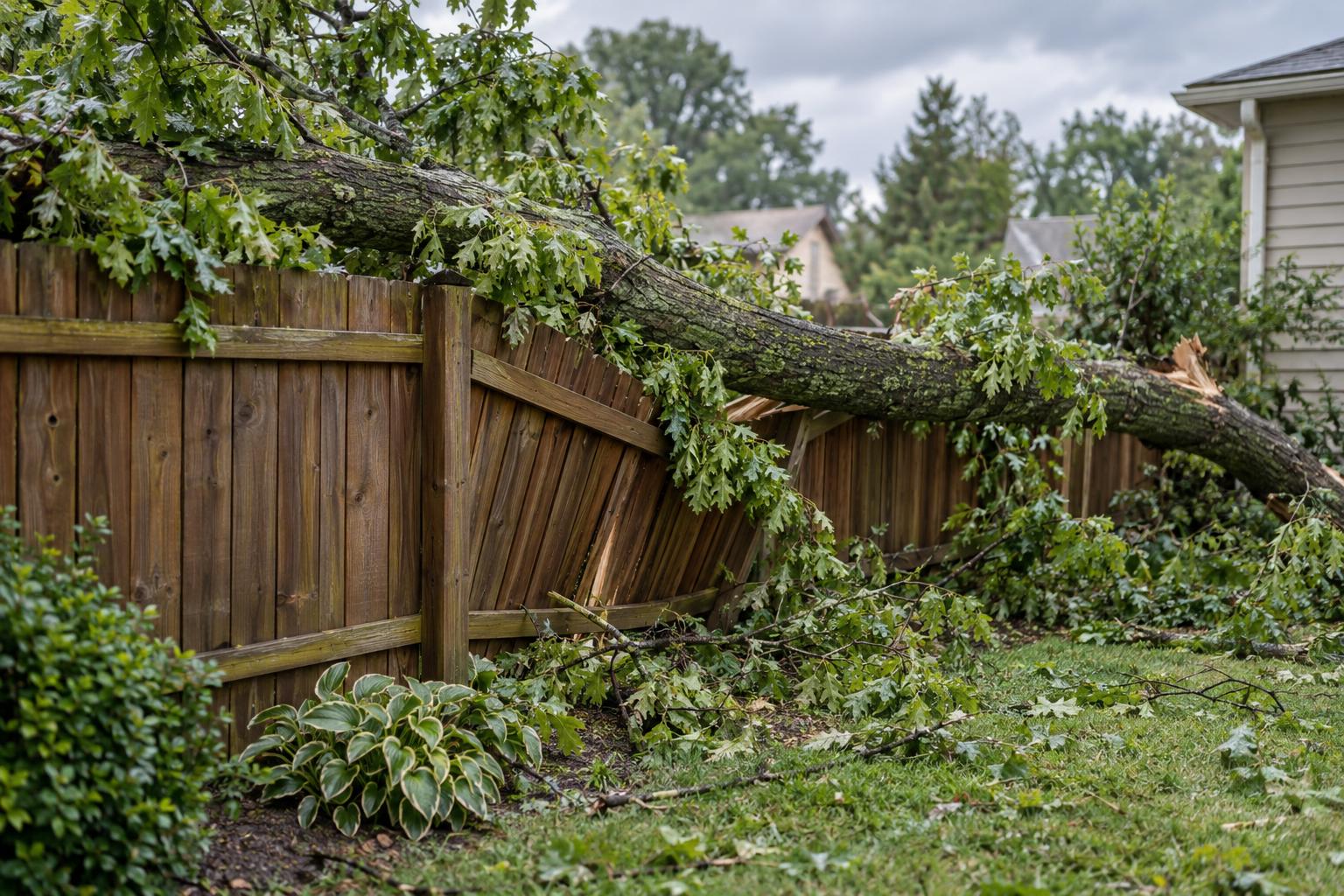
A notice from an HOA and a complaint from a neighbor may concern the same fence, parking space, or shared area, but they are not the same dispute. Before relying on a headline about Utah’s 2026 HOA changes, identify who is acting, what authority they claim, and which document or law addresses the issue.
Sort the problem before answering the notice
Is the concern private conduct by a neighbor? Enforcement of an association rule? Maintenance of common property? Or a combination? A neighbor may also sit on the board, but that does not make every personal request an official association action.
Keep the actual notice, email, photograph, or letter. Identify the sender’s role and the requested action. If a message refers to a rule, ask for the applicable version and the provision being relied on. Do not assume a summary in a neighborhood chat accurately states the governing documents.
For a homeowner in Kaysville or Clearfield, the practical issue may be a project already scheduled or access to a shared area. Write that down separately from the legal objection. It helps distinguish what needs immediate clarification from what requires a fuller review.
What the 2026 changes add to the discussion
Utah’s 2026 SB 122 HOA Amendments address several association topics and expand public resources associated with the HOA Ombudsman, including advisory opinions and educational materials. The bill also makes clear that the office’s attorneys do not create an attorney-client relationship through their work for the office.
That is useful context, but it is not a declaration that every unpopular covenant or rule became invalid. The applicable statute, type of association, governing documents, facts, and any exceptions need to be matched to the specific dispute.
Avoid broad claims about cameras, signs, parking, rentals, or contractor choice without checking the exact provision. Different restrictions may be addressed differently. A short summary of a large bill cannot establish the answer for every property.
Build the governing-document file
Gather the declaration, bylaws, relevant rules, amendments, and the notice you received. Include the provision the association cites and any application, approval, or earlier correspondence connected with your issue.
Keep versions and dates visible. An old rule in a closing packet may differ from a later amendment. A management company’s informal explanation may not reproduce the document’s actual language. Identify the difference instead of silently choosing the version you prefer.
| Issue | Document or fact to locate | Question for review |
|---|---|---|
| Covenant enforcement | Declaration, amendments, cited restriction | Does the provision apply to this property and conduct? |
| Rule enforcement | Adopted rule and relevant authority | What process and limits govern this rule? |
| Common-area problem | Maintenance provisions and location information | Who is responsible for the affected area? |
| Private neighbor conduct | Communications, photographs, property records | Is this an association issue, a private claim, or both? |
| State-law concern | Exact statute and relevant facts | Is an Ombudsman question within the office’s scope? |
If you cannot obtain a document, preserve the request and response. Do not invent a records-response deadline from a general article. Bring the correspondence for a review of the applicable rights and process.
Understand the Ombudsman’s role
The office’s advisory-opinion guidance explains that opinions address state-law issues involving homeowners and associations. Purely contractual disputes and interpretation of governing documents are outside that stated scope. Advisory opinions are not binding judgments.
Those limits matter when deciding what question to present. “My neighbor is being unfair” may not identify a state-law issue. A useful submission needs the actual conduct, applicable law, and supporting facts. An opinion process is not a substitute for every form of legal advice or court relief.
Do not assume an application pauses other obligations, notices, or proceedings. If another process is underway, ask how they interact. Preserve the papers and stated dates so counsel can assess the actual situation.
Respond with a narrow, document-based question
If an association says a project violates a restriction, identify the project and ask which provision applies. If the dispute concerns maintenance, identify the exact location and condition. Keep the request focused enough that a response can answer it.
Avoid turning the first reply into a legal conclusion that all enforcement is unlawful. You may have a valid concern, but the record needs to establish it. Unsupported accusations can distract from a missing approval, an ambiguous rule, or a genuine statutory conflict.
A property-dispute consultation can help separate those issues. Bring the documents and explain what you want resolved: permission, withdrawal of a notice, repair, access, clarification, or another outcome. The remedy sought helps determine the next question.
A common-area dispute may have several participants
Imagine water from a shared area affecting a homeowner’s property. The owner might hear one explanation from a neighbor, another from a manager, and a third from a maintenance contractor. This hypothetical does not determine responsibility. It shows why the location and governing maintenance provisions matter.
Document the condition safely and identify who made each statement. Ask what work was performed and what records exist. Do not assume the person who arranged a repair is necessarily the party legally responsible for every resulting loss.
Likewise, association approval for a project does not automatically resolve city requirements, easements, or private property rights. Keep those separate layers visible. A decision by one body may answer only the question within its authority.
Keep the role of each approval clear
Suppose an association approves a fence design, but a neighbor later raises an easement concern. The association’s decision may answer the architectural question without resolving the private-use issue. Conversely, a neighbor’s consent may not satisfy the association’s application process. This hypothetical shows why the source and scope of each decision belong in the file.
Write down who approved what, on which date, using which plan or document. If a response is conditional, preserve the condition. “Approved if moved away from the access area” is not the same as unconditional approval of the original drawing.
If the dispute concerns a board member acting personally, distinguish the personal message from an official notice. Ask for clarification where the role is unclear. That does not establish that the conduct is lawful or unlawful; it identifies which authority is being asserted so it can be evaluated.
The same discipline helps when reviewing a claimed statutory change. Record the exact provision and why someone believes it applies. A statement that “the law changed this year” is a research starting point, not a complete explanation of what your association or neighbor may do.
If a manager answers on behalf of the association, retain the full response and any attachments. A short email summary may omit conditions in an enclosed notice. Read the documents together before treating the matter as resolved or assuming the response addresses every question you asked.
What people get wrong about Utah’s HOA changes
“Every HOA restriction I dislike is now unenforceable.”
The 2026 legislation addresses particular provisions and circumstances. The exact rule, statutory language, and facts need review. Disagreement alone is not proof of invalidity.
“The Ombudsman is my personal lawyer.”
The office provides defined public functions and resources. Its work does not create an attorney-client relationship with every person who contacts it.
“An advisory opinion is a court order.”
The office describes its opinions as nonbinding. Understand their role and limits rather than treating an opinion request as an automatic end to the dispute.
“A neighbor’s complaint is automatically an HOA violation.”
Identify whether an authorized association action exists and what rule is being invoked. A private disagreement and formal enforcement require different questions.
Avoid self-help that creates a second dispute
Do not assume you can stop paying assessments, remove common property, block access, or disregard a notice because you believe the association is wrong. Obtain advice about the available response and consequences.
If you need a project decision, ask for it clearly and preserve the application and response. If work has already begun, say so. A review based on a proposed project may differ from one involving completed work or a threatened enforcement action.
Keep communications professional and preserve originals. Do not delete messages or edit photographs to make the record cleaner. A concise chronology can explain a difficult history without concealing it.
Bring the issue into focus
For a consultation, bring the governing documents, notice, requests, responses, photographs, and a short account of what you need next. Identify any scheduled work or pending proceeding. If the association’s legal type is uncertain, flag that rather than assuming every HOA statute applies identically.
The firm’s practice areas can help identify a related civil claim. Keep the association question distinguishable from unrelated neighbor friction. The better starting point is a specific action, a specific authority, and a specific requested resolution—not a broad promise that a new law has already settled everything.