Contractor Walked Off the Job: Options for Utah Homeowners Before It Becomes a Lawsuit
Contractor stopped showing up or left the job unfinished? Here's how Utah homeowners can document it, read the contract, and weigh options before suing.
A half-finished room and an unanswered message create two problems: protecting the house and deciding what the contract allows next. If a contractor stops work on your Utah home, I would separate those questions before sending a termination notice, hiring a replacement, or assuming the deposit must immediately be returned.
Find out what “walked off” means in the record
Start with the last confirmed work date and the last communication. Did the contractor say the job was abandoned, paused for materials, stopped over payment, or delayed because the scope changed? You do not have to accept the explanation, but you should preserve it accurately.
An empty job site can be alarming without explaining the legal position. Compare the explanation with the contract schedule, change orders, invoices, and any notices. Keep promises in text messages alongside the signed agreement rather than treating them as a substitute for it.
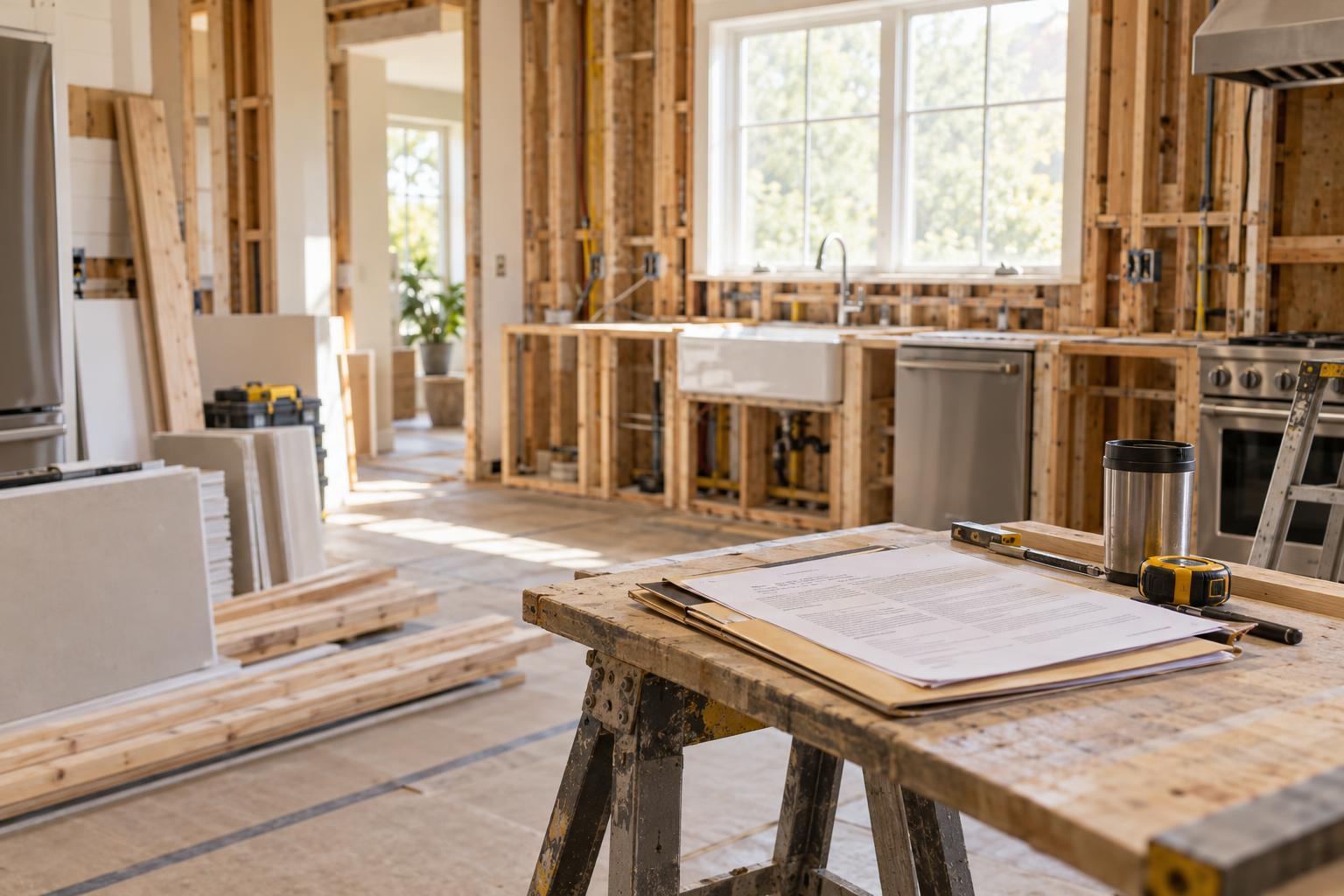
For a homeowner in Kaysville or Clearfield, the immediate concern might be an exposed opening, an unfinished bathroom, or materials occupying the driveway. Describe those conditions separately from your conclusion about breach. A clear record helps distinguish urgent protection from the dispute over who should pay for completion.
Protect the home while preserving the evidence
If there is an immediate electrical, structural, weather-exposure, or other safety concern, seek appropriate professional help. Do not leave a dangerous condition untreated merely because it might be evidence. At the same time, document the condition before and during necessary protective work when it is safe to do so.
Photograph the whole work area and the specific unfinished items. Keep dates, invoices, and the protective professional’s description of the work performed. Ask that observations be recorded separately from assumptions about who caused the condition.
Temporary stabilization and full replacement are different decisions. Before authorizing extensive demolition or covering unfinished work, obtain advice about preservation and the contract. Once work is removed, an important question about its condition may become harder to evaluate.
Keep materials and equipment ownership questions separate too. Do not assume that everything left at the house belongs to you, or that a contractor can remove every item without regard to payment and contract terms. Inventory what is present and ask how disputed items should be handled.
Read the clauses that govern the next step
Find the scope, payment schedule, change-order procedure, completion language, notice requirements, cure provisions, termination terms, and dispute-resolution clause. Read attachments and incorporated specifications. A signature page without the exhibits may omit the details that matter most.
A notice clause may identify an address or delivery method. A cure provision may require a particular opportunity to respond. An arbitration or mediation clause may affect how a dispute proceeds. Do not assume that an angry text satisfies all of those requirements.
This is where a civil litigation consultation can be useful before the situation becomes a lawsuit. The review can focus on the next communication or proposed action, rather than beginning with a demand that someone guarantee recovery.
If there is no complete written contract, gather what you do have: estimates, accepted proposals, messages, payment records, drawings, and evidence of the agreed scope. Missing paperwork is a problem to explain, not a reason to create a replacement agreement after the fact.
Build a scope-and-payment ledger
The ledger should let someone compare what was agreed, what was changed, what was paid, and what remains unfinished. It should not simply add every invoice to every repair estimate and call the total your loss.
| Work category | Original agreement | Current record |
|---|---|---|
| Included work | Contract and specifications | Completed, incomplete, disputed, or not inspected |
| Changes | Approved change order or relevant messages | Price, authorization, and effect on other work |
| Payments | Scheduled payment and actual transaction | Date, recipient, reference, and what it was for |
| Materials | Purchase or allowance documentation | Delivered, installed, stored, or location unknown |
| Completion needs | Professional assessment or replacement proposal | Necessary completion versus optional upgrade |
Use descriptive entries. “Shower tile incomplete; photographs taken Tuesday” is more informative than “bathroom ruined.” If the quality of installed work is disputed, label it disputed until an appropriate professional evaluates it.
Reconcile payments with bank or card records. A contractor’s invoice marked unpaid may differ from your records, and a payment to a subcontractor may raise a separate issue. Keep the source documents rather than relying on a handwritten total.
Licensing complaints and civil recovery have different jobs
Utah’s home-construction consumer guidance identifies abandonment and certain other conduct as potential licensing concerns. A complaint can bring conduct to the attention of the licensing authority. It does not establish that the agency will collect your money, finish your project, or decide every contract issue.
Likewise, a civil claim requires its own analysis. The identity of the contracting party, the agreement, performance, alleged breach, losses, and available remedies all matter. A licensing problem can be relevant without answering each of those questions.
Avoid using a complaint as a threat attached to an unsupported demand. If you report conduct, report it accurately through the appropriate channel. Keep the complaint and response in your file so counsel can understand what has already been said.
Do not assume a bond, insurance policy, or state program covers the loss. Eligibility and coverage depend on their own terms and requirements. A general reference to homeowner protections is not a promise that your particular unfinished project qualifies.
Notices from suppliers or subcontractors need their own review
An abandoned job can leave questions about people you did not hire directly. Preserve notices, invoices, letters, and envelopes from subcontractors or suppliers. Identify whether the document is a preliminary notice, a demand, a recorded claim, or something else before deciding what it means.
The Utah State Construction Registry homeowner resources can help identify the registry and its role. A registry entry is not, by itself, proof that a valid lien exists or that the amount claimed is correct. Do not ignore it on the opposite assumption either.
Tell a lawyer if a sale, refinance, insurance issue, or threatened lien is involved. The practical urgency may differ from the original completion dispute. This article does not calculate notice periods or filing deadlines; bring the actual documents for review.
Paying the original contractor does not automatically answer every downstream claim. Nor should you assume that paying a second person immediately is the right way to make the issue disappear. Review the obligation, proof, and consequences first.
Compare replacement bids carefully
A replacement contractor may price completion differently from the original agreement. Ask for a description that distinguishes finishing unfinished work, correcting identified defects, temporary protection, and changes you now prefer. Those categories may matter later.
Keep the original project specifications when requesting a proposal. Otherwise, one bid may include a different finish, added work, or a redesign that makes comparison difficult. A higher total is not automatically all attributable to the first contractor.
If replacement work will conceal or remove disputed work, discuss evidence preservation before it starts. Ask for photographs and a clear description of what the replacement contractor actually observed. Do not ask the new contractor to adopt a legal conclusion simply because you are frustrated.
A practical decision may still be needed while the dispute continues. Counsel can help assess the risks of moving forward, but no article can promise that every completion expense will later be recoverable.
Check who is making the next promise
If a different person offers to restart the job, establish whom that person represents and what authority they have. Is the proposal from the original contracting company, a subcontractor, or a new business? A familiar worker’s return does not necessarily resolve the original contract or payment dispute.
Keep the proposed scope, payment request, and responsibility for unfinished work explicit. Ask how the arrangement affects existing warranties, notices, and claims before signing. The goal is to avoid paying for a second agreement while leaving the first one’s obligations undefined.
Check whether the replacement proposal assumes permits or inspections have already been completed. Verify that assumption with the relevant records and professionals. An estimate based on an inaccurate project status may change once work begins, leaving another disagreement about scope and cost.
What people get wrong when a contractor stops work
“I can terminate immediately because the job site is empty.”
The contract and circumstances need review. A pause, alleged abandonment, and a disputed suspension can carry different issues. Acting without checking notice or cure terms may create another disagreement.
“A licensing complaint is my refund application.”
Licensing enforcement and obtaining money are separate processes. Understand what each route can address before relying on it as the complete solution.
“I should stop every payment and tell the bank it was all fraud.”
Payment obligations and any dispute process require a factual, contract-specific review. Do not make an unsupported fraud allegation or assume a unilateral withholding decision has no consequences. Preserve the payment records and seek advice about the available options.
“The replacement estimate proves my entire legal loss.”
A proposal can be useful evidence, but its scope, assumptions, and relationship to the original contract need examination. Optional upgrades and work unrelated to the alleged breach should remain identifiable.
Prepare one calm request for the missing information
If communication is appropriate, identify the job, the last work date, the unfinished items, and the specific information you need. Ask whether the contractor intends to return and what explanation or proposal is being offered. Have counsel review a message that could operate as termination, required notice, settlement, or a waiver.
Do not bury the request in a long account of every upsetting conversation. Attach the relevant documents and keep a copy of exactly what was sent and how. A short message with a traceable record is easier to evaluate than a series of changing demands.
If the contractor responds with a new agreement, release, or payment condition, read it before accepting. Solving the immediate scheduling problem may involve terms affecting the larger dispute. A promise to return tomorrow is not the only part worth reviewing.
Bring a completion plan as well as a complaint
For the consultation, bring the contract, amendments, payment ledger, site photographs, permit information you have, notices from others, and replacement proposals. Add a brief statement of what you need most: making the home safe, obtaining information, ending the agreement, completing work, or evaluating recovery.
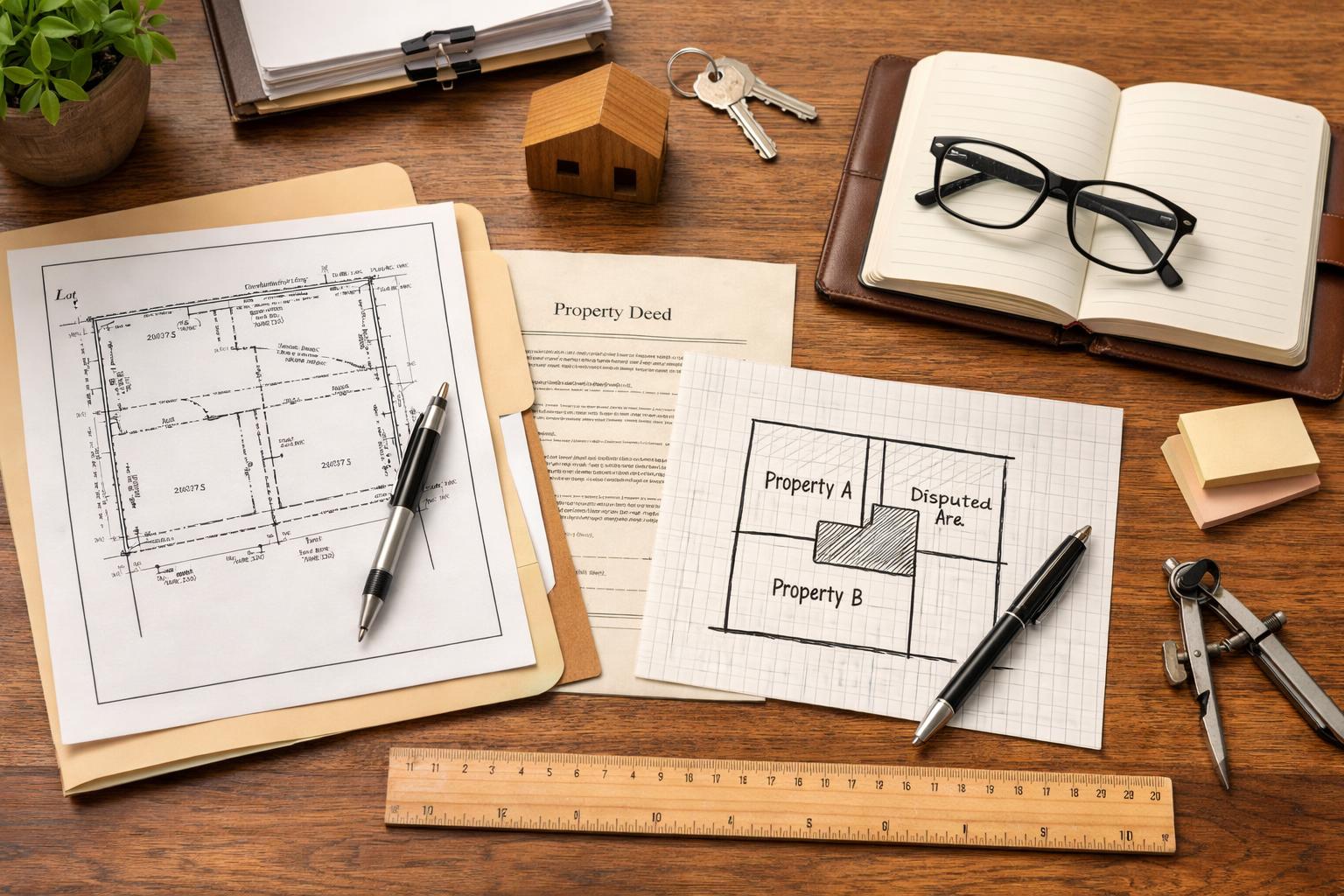
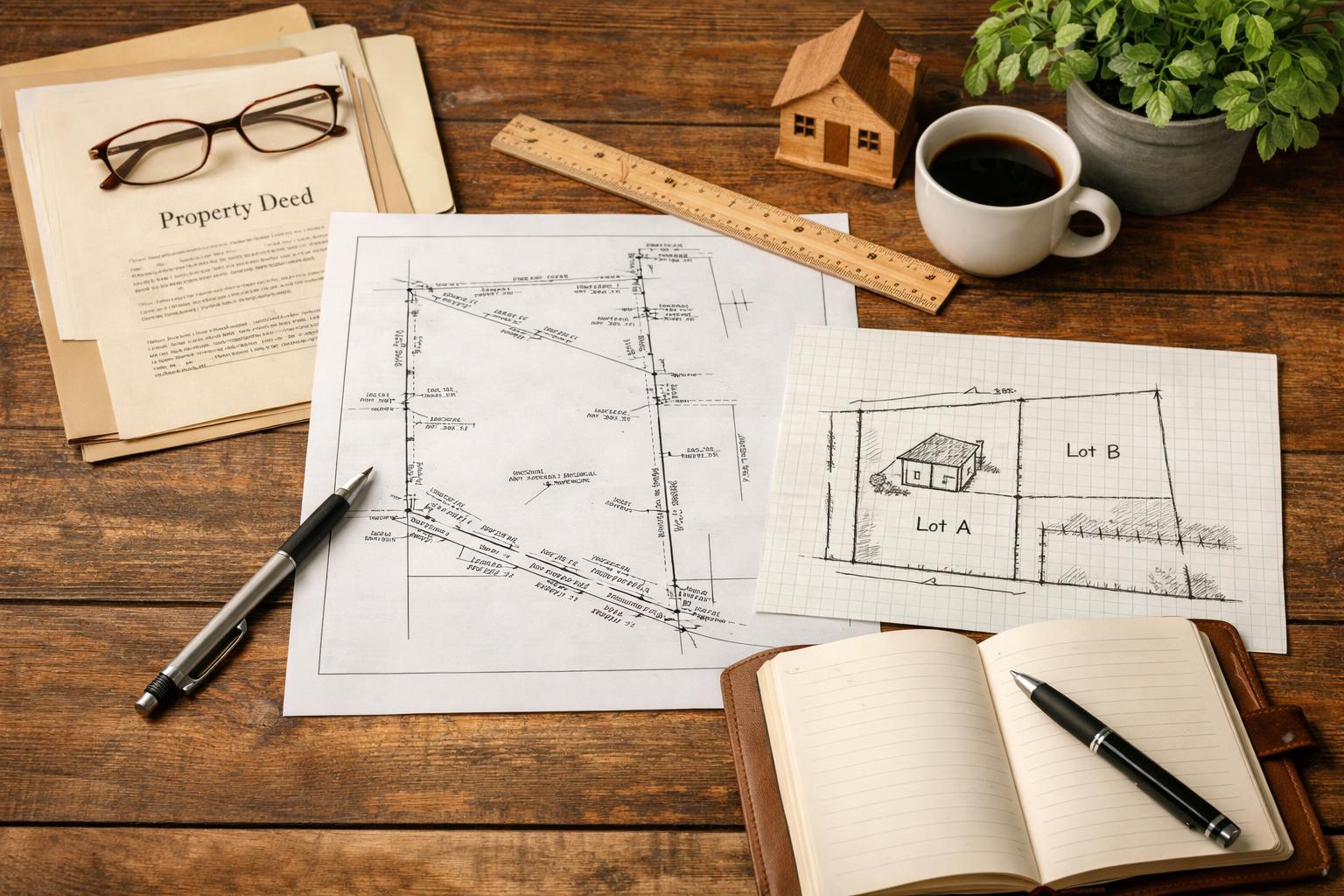
If the project also involves a property-access or ownership dispute, identify that separately. The firm’s practice areas can help you describe the related issue without losing the construction timeline.
The next step should preserve your options while addressing the real condition of the house. That usually begins with accurate documents and a clear distinction between protection, completion, and the legal dispute—not with a promise that one complaint will solve all three.