Moving Out During Divorce in Utah What You Should Know
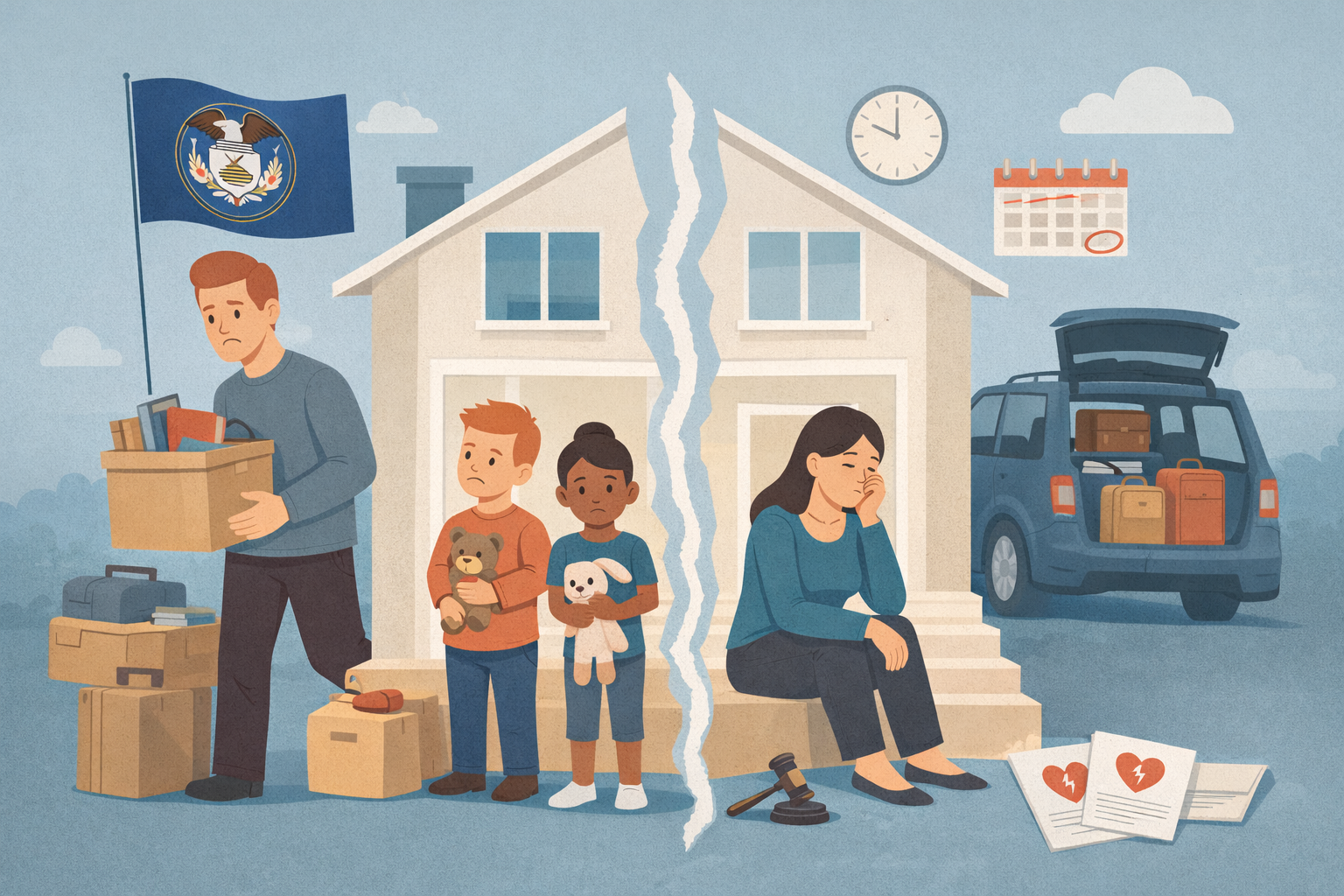
Moving out of the marital home during a divorce can feel like the only way to reduce conflict or regain peace. But in Utah, moving out is not just a personal decision. It can affect temporary custody schedules, who pays which household expenses, how property is protected, and how the court views stability while the case is pending.
Gibb Law Firm helps Utah clients weigh the practical and legal tradeoffs before they leave the home, take the right steps to protect themselves, and follow Utah-specific court procedures from the start of the case through the final decree.
Why Moving Out Can Change the Divorce Landscape
Many people worry that leaving the marital home means they are giving up their rights. In most cases, moving out does not automatically change ownership of the home or decide who gets what in the divorce. However, what you do before and after you move can shape temporary orders and negotiations in ways that matter.
Temporary custody and parent time: When children are involved, the court often prioritizes stability. A new living arrangement can influence how temporary schedules are set while the case is pending.
Finances and two households: Moving out can create immediate pressure to pay rent, a mortgage, utilities, and child-related expenses at the same time.
Access to property and records: If you leave without planning, it can be harder to gather financial documents, copy family records, and document the condition of the home and personal property.
Safety and boundaries: In higher-conflict situations, moving out may be the safest choice. In other cases, formal boundaries through court orders may be more effective than an unplanned move.
If you are still deciding when and how to start your case, review how to file for divorce in Utah step by step and how long a divorce can take in Utah to understand the early timeline and what usually happens next.
The video below explains a common question Utah spouses ask: whether moving out affects rights to the home and how it can impact the divorce process.
Watch Can I Move Out of the House During a Utah Divorce
Key Definitions and Utah Laws That Often Come Up
Moving out during divorce is rarely just a housing decision. It is connected to several legal concepts that shape what each spouse can do while the case is pending and what the court may order next.
Marital home: The home where the family lived during the marriage. Whether one spouse moves out or stays, the court can still address who uses the home temporarily and how the home is handled in the final property division.
Temporary orders: Short-term court orders that can set rules for custody, parent-time, child support, use of the home, and payment of expenses while the divorce is pending. For a deeper overview, see temporary orders in Utah divorce cases.
Domestic relations injunction: Utah cases commonly involve an injunction that restricts certain actions during the divorce, such as improper changes to insurance or transferring property without permission. This is meant to help preserve the status quo until the court can decide issues.
Relocation and moving with children: If a move changes the children’s routine or the distance between homes, it can raise custody and parent-time issues that may require court involvement and careful planning.
| Decision area | What to consider before you move | What to do right after you move |
|---|---|---|
| Children | Keep routines stable and avoid sudden changes to school or schedules without a plan. | Follow any temporary schedule and keep exchanges calm and predictable. |
| Money | Plan for two households and document current bills and account access. | Track payments and communicate clearly about shared expenses. |
| Property | Photograph key items and copy important financial records. | Keep a list of items you took and avoid escalating conflicts over possessions. |
| Safety | Have a safe exit plan if conflict is escalating or you feel unsafe. | Use written communication and follow any court or protective order restrictions. |
| Court contact info | Know how the court will reach you while your address changes. | Make sure the court and the other party have your updated address when required. |
This reel addresses a common misconception: you generally do not have to leave the marital home just because a divorce is starting. The best choice depends on safety, children, and whether temporary orders are needed to set clear rules.
Typical Court Procedures When One Spouse Moves Out
Every divorce is different, but Utah divorces commonly follow a predictable structure. Even if you move out early, the court can still issue temporary orders and later make final decisions about custody, support, and property.
Filing and the waiting period
A divorce begins with filing and service. Utah law includes a mandatory waiting period before the court can sign a final decree, but the court can still make interim orders while the case is pending.
Temporary orders for stability
If moving out creates urgent issues, such as where the children will live or who pays which bills, a motion for temporary orders can provide enforceable rules until the case ends.
Mediation and negotiation
Many cases resolve through negotiation or mediation, especially when spouses can agree on a parenting plan and a property division framework.
Final orders and property division
The court’s final decree will address custody, support, and property division. Moving out is usually not the deciding factor by itself, but the facts created during the case can matter.
The video below focuses on relocation and moving with children. This issue can come up during divorce if one parent’s move changes school routines, travel time, or parent-time logistics.
Watch Relocation and Moving With Children During or After Divorce
Common Forms and Filings to Know About
There is no single required form called “permission to move out.” Instead, the filings that matter depend on what your move changes and what you need the court to address while the divorce is pending.
Motion for temporary orders: Used to ask the court for short-term decisions on custody, parent-time, use of the home, support, and responsibility for bills while the case is pending.
Proposed parenting plan: If you have children, a proposed parenting plan can help clarify where the children will live and how parent-time will work after one spouse moves out.
Financial disclosures and supporting records: Divorce cases often require organized financial information. Keeping clean records becomes more important when spouses live separately.
Notice of address change: If you move, it is important to keep your contact information current with the court and the other party so you do not miss notices and deadlines.
If your move is connected to property issues, you may also want to review Utah property division and marital assets to understand how the court approaches equitable distribution and why documentation matters.
This short video explains a practical issue people overlook after they move: keeping the court updated with a current address so important papers are served correctly.
Watch Why Updating Your Address With the Court Matters
Common Mistakes to Avoid When Moving Out During Divorce
Moving out can reduce tension, but it can also create new legal and practical problems if it happens without a plan. These are common mistakes that can increase conflict or make the case harder to resolve.
Leaving without a workable plan for children: If you have children, sudden schedule changes can lead to disputes about stability and parent-time expectations.
Assuming you must give up the home to be “reasonable”: In many cases, the court can set rules through temporary orders rather than forcing one spouse to leave informally.
Stopping payments without a court order or agreement: Housing, insurance, and child-related expenses do not pause just because you moved. Document what you pay and communicate clearly through appropriate channels.
Escalating conflict over possessions: Taking items in a way that looks retaliatory can inflame the situation and complicate negotiations. Document major items and stay organized.
Moving far away with children without legal guidance: Distance can create relocation issues that need careful handling, especially if it affects school, travel time, or parent-time.
This reel highlights risks people often do not see coming when one spouse moves out, especially when children are involved and routines are changing.
If a move could trigger relocation disputes, it may help to read relocation after divorce in Utah so you understand the issues courts commonly focus on and why planning matters.
Next Steps Before You Move Out
If you are considering moving out during divorce, a short checklist can help you avoid preventable problems. The right steps depend on your safety needs, whether children are involved, and how cooperative the situation is right now.
Prioritize safety. If you feel unsafe, consider immediate safety resources and legal options rather than trying to “wait it out” without support.
Make a realistic budget for two households and track key expenses to avoid financial surprises and misunderstandings.
Document the home and important personal property with photos and an inventory list, and copy essential records where appropriate.
If children are involved, propose a schedule that keeps routines stable and reduces conflict, and consider whether a motion for temporary orders is needed to make it enforceable.
If a move could increase the distance between parents, get advice before changing arrangements so you do not create avoidable relocation disputes.
This reel offers practical tips on what to consider before moving out, including how custody stability and legal protections can be affected by the timing and structure of the move.
For a broader roadmap of what to expect from start to finish, you can also visit the Utah divorce process guide.
Talk to Gibb Law Firm Before You Make a Move
If you are considering moving out during divorce in Utah, Gibb Law Firm can help you weigh the risks, plan for custody and financial stability, and pursue temporary orders when necessary. Contact our team to discuss your situation and next steps.
Schedule a Consultation