How to Avoid Common Mistakes in the Days After a Utah Auto Accident
The days after a crash can get noisy. This guide keeps the focus on documentation, medical care, insurance communication, and what not to sign too quickly.

Your first questions, answered
- What is the first mistake to avoid after a Utah crash?Do not guess, exaggerate, or minimize. Document what happened and get appropriate medical care.
- Should I speak with the insurance company?You may need to report the accident, but be careful with recorded statements and broad releases before you understand the claim.
- What should I save?Photos, police information, medical records, repair estimates, claim numbers, witness details, and every letter from the insurance company.
- Does Utah no-fault insurance matter?Yes. Personal Injury Protection can affect early medical and wage-loss issues, but fault may still matter for a broader injury claim.
- When should I get legal guidance?Before settling, signing a release, giving a detailed recorded statement, or assuming the first number is the full picture.
Tell me what happened. Then we’ll protect the evidence.
Were you in a Utah auto accident and now the insurance company is asking for statements, forms, or quick decisions? Start with documentation, medical follow-through, and careful communication.
This guide is written the way I would explain it across a table: plain English, Davis County context, and a step-by-step path toward what happens next. It is legal education, not case-specific advice, but it should help you protect the facts and avoid common mistakes right now.
Quick takeaways
- The first days after a crash are about medical care and accurate documentation.
- Utah no-fault rules do not erase fault questions.
- Recorded statements and releases should be handled carefully.
- Do not settle before you understand the injury picture.
- The insurance company’s timeline may not match your recovery timeline.
Why the first few days after a Utah accident matter
A Utah car accident claim often starts before you feel ready. You may be dealing with medical appointments, repairs, missed work, and calls from the insurance company at the same time. The first goal is to preserve accurate facts.
In Davis County and Clearfield injury conversations, I want the file to show what happened, what changed medically, who said what, and what the insurance company is asking you to sign.
The first decision is usually not whether to fight. It is whether you understand the facts well enough to choose a smart next step.
That is the difference between reacting and preparing. When you prepare, we’ve got options.
What to document right away
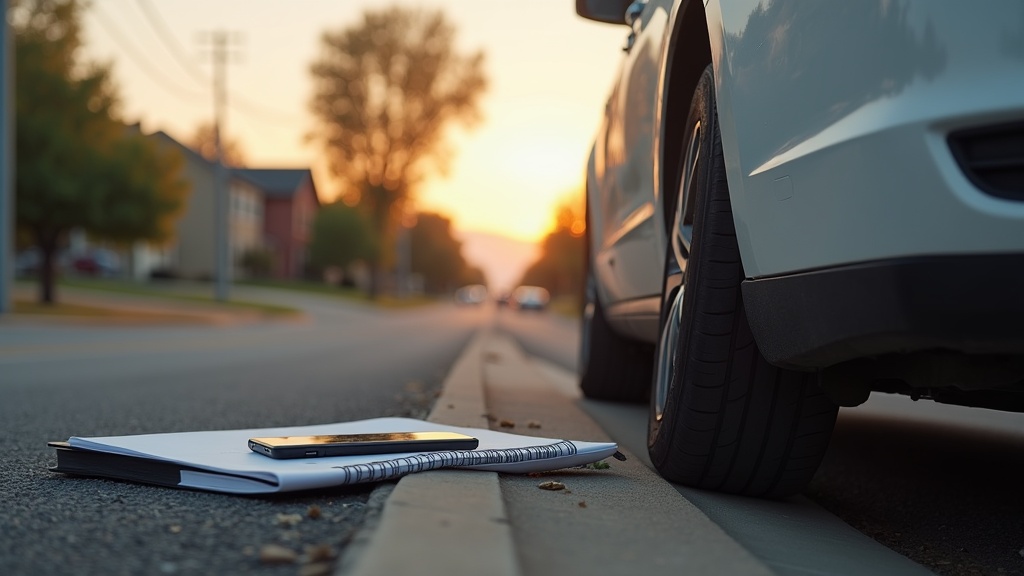
Save photos of vehicles, road conditions, damage, injuries, insurance cards, the police exchange form, witness names, towing records, and every claim number. Write down what you remember while it is fresh, but do not turn that note into a public post.
In Davis County and Clearfield injury conversations, I want the file to show what happened, what changed medically, who said what, and what the insurance company is asking you to sign.
Put the documents in date order. Label screenshots with the date, sender, and issue. Save originals when you can. If something exists only in a portal, download it or screenshot it before access changes.
You do not need a perfect binder before a free consultation. Bring what you have, and we at Gibb Law can help identify what is missing.
For more background, you may want to review What to Do After a Car Accident in Utah and How Fault Is Determined in Utah Car Crashes before you decide what happens next.
How no-fault insurance and fault questions interact
Utah no fault insurance may affect early medical and wage-loss benefits through Personal Injury Protection. That does not mean fault disappears. Fault, comparative negligence, injury proof, and insurance limits can still matter if the claim becomes larger or disputed.
In Davis County and Clearfield injury conversations, I want the file to show what happened, what changed medically, who said what, and what the insurance company is asking you to sign.
This is where a step-by-step plan helps. The legal tool should fit the evidence, the deadline, the other side’s position, and the practical goal. Not every problem needs the same level of response.
A strong file is not the loudest file. It is the file that clearly shows what happened, why it matters, and what remedy makes sense.
Common mistakes that can weaken a claim
The big mistakes are guessing, signing too soon, stopping medical care without a reason, posting online, giving broad recorded statements, or treating pain as minor until weeks have passed. Tell me what happened, then let’s separate facts from pressure.
In Davis County and Clearfield injury conversations, I want the file to show what happened, what changed medically, who said what, and what the insurance company is asking you to sign.
The pattern I watch for is simple: good facts getting buried under bad communication. You can be right about the issue and still hurt your credibility with one angry message.
Here’s what I’d do instead: pause, document, keep communication short, and make the next step match the legal problem instead of the emotion of the day.
Questions to ask before speaking with insurers
Ask who the adjuster represents, whether the conversation is recorded, what documents they want, what deadline applies, and whether a release would close the claim. The insurance company may be polite, but it is still protecting its own file.
In Davis County and Clearfield injury conversations, I want the file to show what happened, what changed medically, who said what, and what the insurance company is asking you to sign.
Keep the focus on practical proof, not courtroom language. Plain facts are easier to use than dramatic conclusions.
When legal guidance may help
Legal guidance helps when injuries are not resolved, fault is disputed, medical bills are building, or the settlement paperwork feels broader than the conversation you had. One call can help you decide whether you need help or simply need a cleaner plan.
In Davis County and Clearfield injury conversations, I want the file to show what happened, what changed medically, who said what, and what the insurance company is asking you to sign.
A good consultation should not make you feel pressured. It should help you understand the documents, the risks, the possible next steps, and what not to do right now.
If you want to sit down with me, call (801) 725-6035. We can talk it through and decide whether legal help makes sense.
Most legal problems feel bigger when the facts are scattered. My job is to help you slow it down, protect what matters, and choose the next step that fits the evidence instead of the fear.
FAQ
Should I give a recorded statement after a Utah crash?
Be careful. You may need to cooperate with your own insurer, but broad recorded statements can create problems if facts or injuries are still developing.
What if I felt fine at the scene?
Many people feel different later. Get appropriate medical care and keep a record of symptoms instead of guessing.
What does no-fault insurance mean in Utah?
Personal Injury Protection may provide early benefits regardless of fault, but fault can still matter in disputed or larger injury claims.
Should I accept the first settlement offer?
Not until you understand your injuries, bills, wage loss, fault issues, and what rights the release would end.
Can I call before I know if I have a case?
Yes. Tell me what happened. Free, confidential: (801) 725-6035.