Slip and fall injuries can happen fast and in places you visit every day. In Utah, these cases often come down to a simple question: was there a dangerous condition on the property, and did the owner or business act reasonably to fix it or warn people?
This article explains where slip and fall accidents commonly occur in Utah, what hazards show up most often, and what steps can help protect your health and your claim if an insurance company gets involved.
If you want help with a current slip and fall situation, start with Gibb Law’s slip and fall practice page. For broader injury guidance, see Gibb Law’s personal injury practice area
Note: This article is educational information, not legal advice. Deadlines and notice requirements can be strict, and the right approach depends on the facts of your fall and the property involved.
Where Slip and Fall Accidents Commonly Occur in Utah
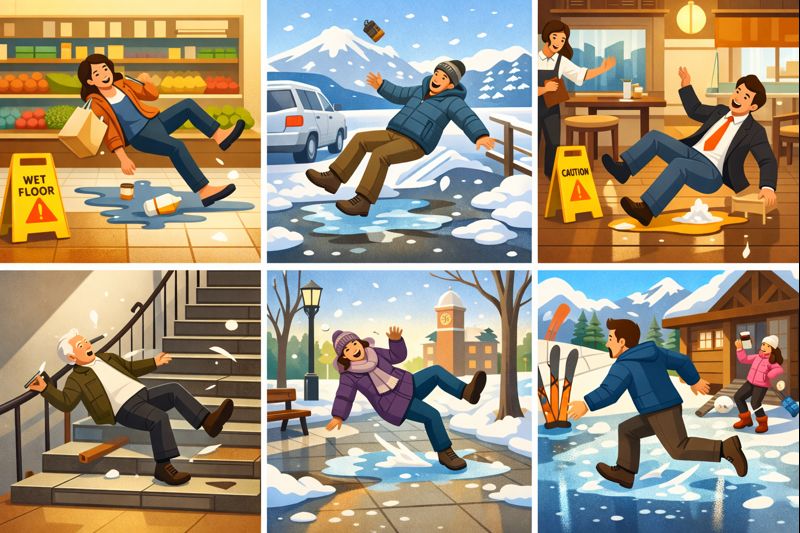
Most slip and fall claims involve everyday hazards: water tracked in from rain or snow, spills that are not cleaned up, uneven walking surfaces, poor lighting, or ice that is not treated. In Utah, winter conditions can also raise the risk in parking lots, entrances, stairs, and sidewalks.
High traffic areas matter: The more foot traffic a location has, the more often hazards appear and the faster conditions can change.
Entrances are a common hotspot: Water, slush, and debris tend to build up near doors, mats, and vestibules.
Outdoor surfaces change quickly: Ice can form overnight, and snowmelt can refreeze in shaded areas.
Photos and timing are important: Conditions can be cleaned or fixed quickly, so early documentation often matters.
Grocery stores and retail aisles
Spills, dropped produce, leaking coolers, and recently mopped floors can create sudden hazards in high-traffic areas.
Restaurants and fast-casual spaces
Grease near kitchens, beverage spills, and wet entryways can lead to falls, especially during busy hours.
Parking lots and garages
Ice, potholes, uneven pavement, and poor lighting are common issues. These areas also change quickly with weather.
Apartments and HOA common areas
Stairs, sidewalks, shared walkways, and entry areas can become dangerous if maintenance is delayed or lighting is poor.
Workplaces and commercial buildings
Loose cords, cluttered walkways, wet floors, and uneven transitions between surfaces can cause trips and falls.
Public sidewalks and government property
Sidewalk defects, icy steps, and poor drainage can contribute to falls, but special rules may apply if a government entity is involved.
Recreation venues and winter locations
Stairs, walkways, and entrances around ski areas, lodging, and winter events can be risky when snow and ice build up.
| Common location | Typical hazard | What to document right away |
|---|---|---|
| Store entrance | Wet tile, slush, missing floor mats | Photos of the floor, mats, and warning signs, plus a wide shot showing the doorway area |
| Retail aisle | Spill, dropped items, freshly mopped floor | Close-ups of the hazard, time and location, and any employee cleanup activity |
| Parking lot | Ice, potholes, uneven pavement, low lighting | Photos showing surface texture, lighting, weather conditions, and nearby landmarks |
| Stairs and ramps | Loose handrail, worn edges, poor traction | Photos of step edges, handrails, and any posted warnings, plus the full stair run |
| Apartment walkway | Ice buildup, cracked concrete, poor drainage | Photos of the hazard and surrounding area, and notes about when you noticed it |
The safety-focused video below shows how common slip, trip, and fall hazards develop in everyday environments. It can help you recognize the types of conditions that often lead to real injuries.
Watch: Preventing Slips, Trips, and Falls
The reel below highlights why documenting the scene matters. In many cases, the condition that caused the fall can be cleaned up or changed quickly.
Key Definitions and Utah Laws That Often Affect Slip and Fall Claims
Slip and fall cases are usually evaluated under negligence principles. In plain English, negligence means failing to act with reasonable care and causing harm. In a premises case, that often means a property owner or business failed to address a hazard, failed to warn about it, or did not maintain a reasonably safe walking surface.
Dangerous condition: A hazard like a spill, ice, uneven flooring, broken handrail, or poor lighting that creates an unreasonable risk of harm.
Notice: Whether the owner or business knew about the hazard, or should have known about it through reasonable inspections and maintenance.
Comparative fault: Utah uses comparative negligence rules. In practice, an insurer may argue you share responsibility (for example, not watching where you were walking). Fault percentages can affect compensation under Utah Code Section 78B-5-818. :contentReference[oaicite:3]{index=3}
Government property notice rules: If the fall involves a governmental entity (like a city building or public walkway), notice-of-claim deadlines may apply. Utah’s time for filing a notice of claim is addressed in Utah Code Section 63G-7-402. :contentReference[oaicite:4]{index=4}
Deadlines can vary depending on the claim type and who is involved. For general background on statutes of limitations in Utah civil cases, the Utah Courts provide a public-facing overview here: Utah Courts information on statutes of limitation. :contentReference[oaicite:5]{index=5}
If winter conditions played a role, this article may also be helpful: winter safety tips to help avoid slip and fall injuries. :contentReference[oaicite:6]{index=6}
Typical Claim Steps After a Slip and Fall in Utah
Most slip and fall cases start as insurance claims. The insurer will look closely at what caused the fall, whether the owner had notice of the hazard, and whether your injuries match the incident. Early steps can help keep the record clear and prevent avoidable disputes later.
Step 1: Get medical care and document symptoms
Your health comes first. Prompt care can also help create a clean record that connects the fall to your injury.
Step 2: Report the fall to the property manager
Ask that the incident is documented. If possible, request a copy of any incident report.
Step 3: Photograph the hazard and the area
Get close-ups and wide shots. Capture lighting, warning signs, floor mats, and any conditions like ice, water, or debris.
Step 4: Identify witnesses and cameras
Witness contact info and video footage can be important. If cameras exist, note their location right away.
Step 5: Be careful with insurance communications
Insurers may request a recorded statement early. If you are unsure what to say, getting guidance first can reduce the risk of misunderstandings.
This Utah-focused video explains why recorded statements can be risky after a slip and fall and how insurers may use them during claim evaluation.
Watch: Recorded Statements After a Utah Slip and Fall
The reel below shares a quick legal perspective on handling injury cases, including practical claim strategy points that often come up during negotiations.
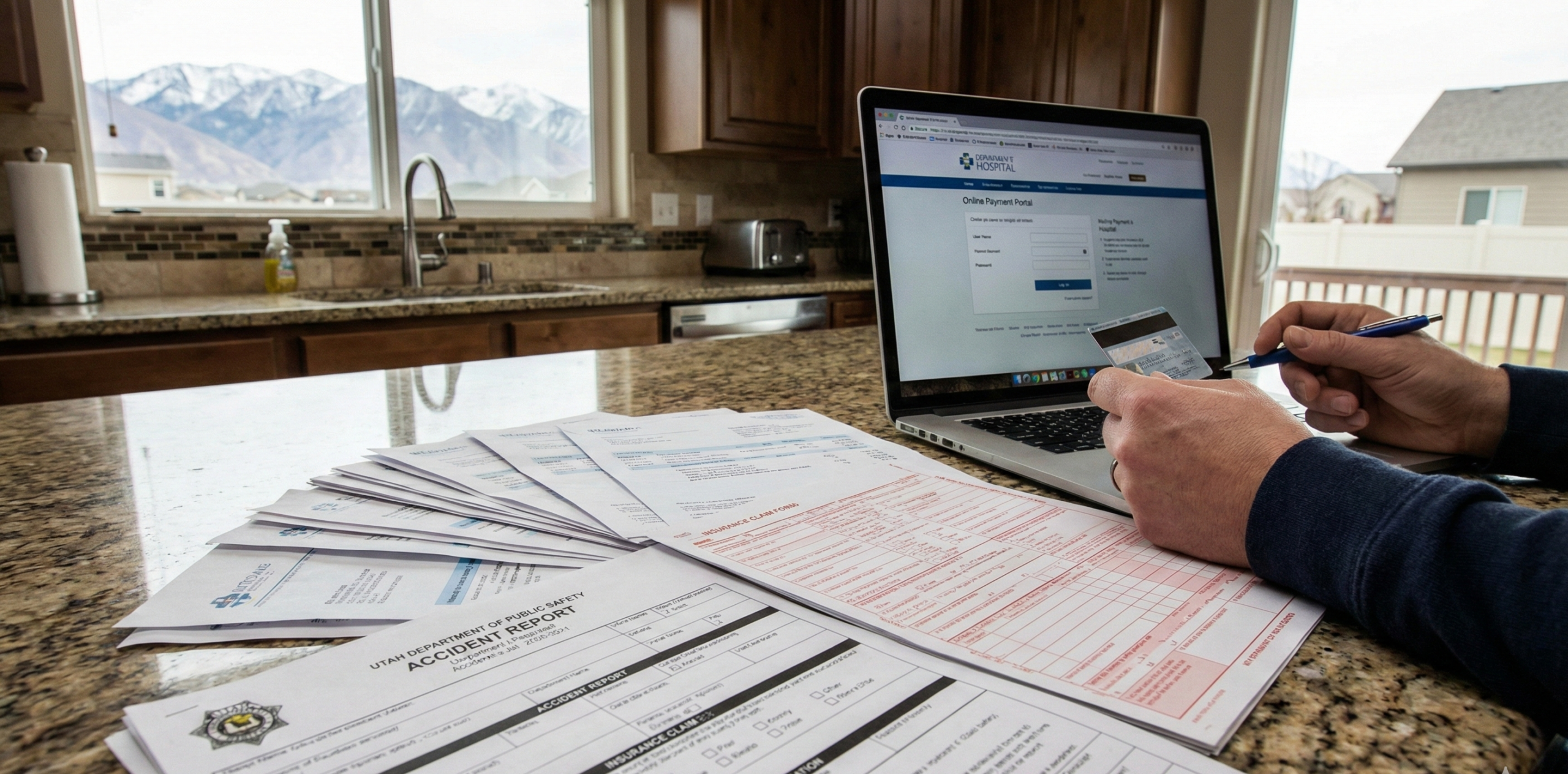
Records and Paperwork That Often Matter in a Utah Slip and Fall Case
Slip and fall claims are won and lost on details. Insurance adjusters and defense counsel often focus on what the hazard was, how long it was there, and whether it was clearly marked or avoidable. The best way to protect your claim is to preserve records that make the situation clear.
Incident report: If the business or property manager completed a report, ask for a copy or at least confirm it was created and dated.
Photos and video: Capture the condition before it changes. Include wide-angle context photos that show where the hazard sits on the property.
Witness information: Names, phone numbers, and a brief note about what the witness saw can help when stories change later.
Medical records and bills: Treatment notes, imaging, and billing summaries often support both injury causation and claim value.
Employment and wage records: If you miss work, keep pay stubs and employer documentation of time missed and job restrictions.
If the fall happened at an apartment or in a shared residential space, this related resource may help you think through responsibility issues: apartment accidents in Utah and who may be liable. :contentReference[oaicite:7]{index=7}
Common Mistakes to Avoid After a Slip and Fall
Many people do everything right medically, but unintentionally weaken their claim through gaps in documentation or rushed insurance conversations. These are a few avoidable mistakes that often show up in premises claims.
Not documenting the hazard immediately: Spills get cleaned and ice melts. If you wait, the best evidence may disappear.
Failing to report the incident: If there is no report, insurers may argue the fall did not happen the way you say it did.
Downplaying symptoms at first: If you tell staff you are “fine” and then seek care later, insurers may question whether the fall caused the injury.
Giving a recorded statement without preparation: Small wording choices can be used to shift blame or minimize injuries later.
Signing papers too quickly: Releases and early settlements can close the claim before you understand the full medical picture.
The training-style video below shows how small hazards lead to serious falls. It helps illustrate why “minor” conditions like cords, wet patches, or uneven transitions can still create real risk.
Watch: Common Slip, Trip, and Fall Hazards
The reel below focuses on winter risk. In Utah, ice and snow can make entrances, sidewalks, and parking lots more dangerous, especially during freeze-thaw cycles.
Next Steps if You Were Hurt in a Slip and Fall
If you believe a property hazard caused your fall, the best approach is to stay organized and build a clear timeline. That helps you communicate effectively with an insurance adjuster and reduces the chance that important details get lost.
Write down what happened: Note the date, time, exact location, lighting, weather, and what you saw on the ground or surface.
Preserve evidence: Keep the shoes and clothing you wore, save photos, and store any messages or emails related to the incident.
Track medical care and limitations: Keep a simple log of appointments, pain levels, mobility limits, and missed workdays.
Watch for special notice rules: If the incident involves a governmental location, notice-of-claim deadlines may apply. :contentReference[oaicite:8]{index=8}
Talk to Gibb Law About a Utah Slip and Fall Injury
Gibb Law is a Utah-based firm focused on clear, practical guidance for clients facing real-world legal problems. If you were injured in a slip and fall, we can help you understand how liability is evaluated, what documentation matters, and what next steps may fit your situation.
Schedule a Consultation