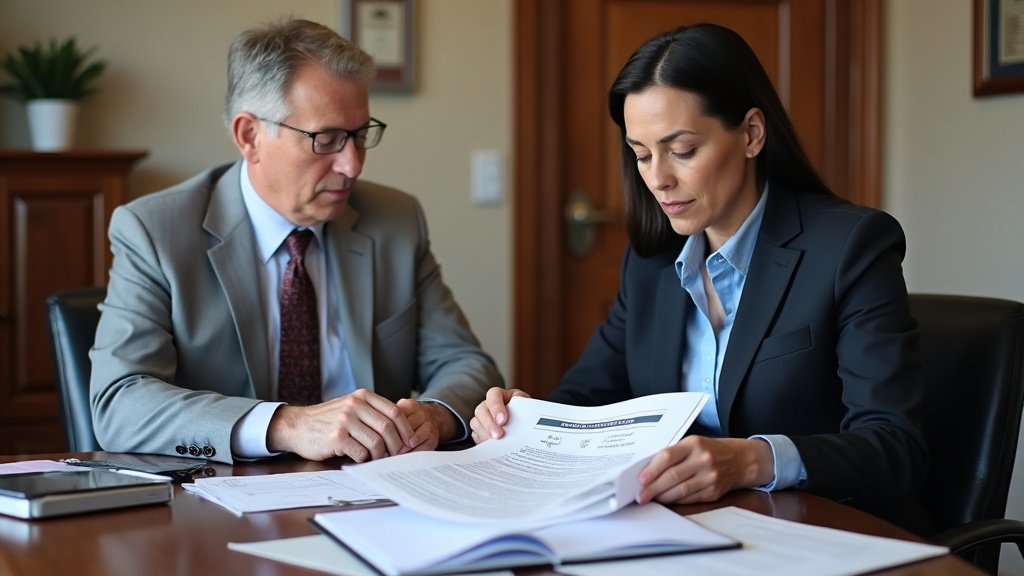
What Clearfield Injury Victims Should Track Before an Insurance Claim Starts
Were you hurt in Clearfield and now the insurance questions are starting? You do not need a perfect file before you ask for help. Start with the basics: what happened, where it happened, who saw it, what hurt, who treated you, and what the insurance company has said so far.

What should you do first?
Get medical care, write down the date and location, and save every document connected to the incident before the details start to blur.
What should go in the file?
Photos, reports, witness names, medical records, bills, insurance letters, missed-work notes, and a simple timeline of symptoms and calls.
Should you give a recorded statement?
Slow down first. Know which insurance company is asking, what they need, and whether you can answer accurately without guessing.
When should you call?
Call when fault is disputed, treatment is ongoing, an adjuster is pressing for a statement, or a settlement offer does not feel complete.
A Clearfield personal injury claim is usually built from ordinary details. A photo taken before the snow melts. A store incident report. A doctor’s note that explains why you missed work. The name of the person who saw what happened. None of those feels dramatic in the moment, but they can matter a lot later.
I would keep this page focused on Clearfield because it answers a narrower question than a general Utah injury guide: what should you track before the insurance claim really starts? For the broader first steps after a crash, you can also read Gibb Law’s guide on what to do after a car accident in Utah.
Start with a one-page timeline
Before you sort every bill or photograph, write one page in plain English. Where were you? What time was it? What were the weather, lighting, traffic, floor, sidewalk, stairs, or parking lot conditions? Who was there? What hurt right away? What started hurting later?
If the injury happened near a Clearfield intersection, in a store parking lot, at an apartment complex, at work, or on someone else’s property, write down the exact location while it is fresh. If there was a police report, incident report, security camera, maintenance request, or witness, make a note of that too.
Do not try to make the story sound legal. Just make it accurate. Short sentences are fine. Dates, names, and documents are better than guesses.
Save the medical paper trail
Medical records help show what changed after the incident. Save discharge papers, visit summaries, imaging orders, prescriptions, referral notes, physical therapy records, work restrictions, and bills. If a provider tells you to follow up, keep that instruction with the rest of your file.
It also helps to keep a symptom log. You do not need to write a novel. A few lines can be enough: headache worse after work, back pain after sitting, numbness down the leg, missed shift, medication changed, follow-up scheduled. The point is to preserve the pattern before you forget it.
If the insurance process has already begun, Gibb Law’s article on how to file an insurance claim after an accident in Utah can help you think through what the carrier may ask for and what should be kept in writing.
Here’s what I’d do first
Make one folder. Put photos, reports, medical papers, bills, work notes, insurance letters, claim numbers, adjuster names, and your one-page timeline in that folder. Then write down the decision in front of you right now: a call to return, a form to complete, a statement request, a medical appointment, or a settlement offer.
Track every insurance contact
Insurance claims move through conversations, letters, portals, forms, and deadlines. Keep the adjuster’s name, company, phone number, email address, claim number, and the date of every call. If someone asks for a recorded statement, a medical authorization, or a release, save the request and ask for it in writing.
Be polite. Be accurate. But do not guess. If you do not know the speed of a car, the exact timing of symptoms, or whether you are fully healed, say that you do not know yet. A careful answer is usually better than a confident answer that later turns out to be wrong.
Utah insurance issues can be different from what friends or family remember from another state. For auto accidents, personal injury protection, liability insurance, fault, and settlement releases may all come up before the claim is ready to resolve.
Why fault details matter in Utah
Fault can shape the value and direction of an injury claim. That does not mean you should argue on the phone or blame yourself in a text message. It means you should preserve the facts: photos, witness names, reports, repair estimates, weather, lighting, warning signs, traffic signals, and the sequence of what happened.
If the other side says you were partly responsible, pause before responding. Gibb Law has a separate explanation of how comparative negligence works in Utah injury claims, but the practical first step is simple: keep the evidence and avoid guessing.
Be careful with early settlement offers
An early offer can feel like relief, especially if bills are arriving and you are missing work. But a release can close the claim before you know the full medical picture. Before you sign, ask what the offer covers, what it does not cover, whether treatment is finished, and whether future care has been considered.
If an offer has already arrived, read Should You Accept the First Settlement Offer in Utah? before you assume the first number is the final answer.
Mistakes that can make the claim harder
- Waiting too long to get medical care when symptoms are continuing or getting worse.
- Throwing away receipts, damaged property, shoes, photos, medication papers, or repair estimates.
- Giving a broad recorded statement before you understand who is asking and what part of the claim they are evaluating.
- Posting about the incident, your activities, or your recovery online while the claim is open.
- Signing a release before you know whether your medical treatment, lost income, and long-term symptoms are fully understood.
What I would check in a Clearfield injury file
When someone sits down with me after an injury, I usually start with five things: the timeline, the medical care, the insurance communications, the evidence from the scene, and the decision that has to be made next. That tells us whether the file is ready for an insurance conversation, a demand, more treatment, more investigation, or a different approach.
We’ve got options, but the right option depends on the record. Sometimes the next step is a careful letter. Sometimes it is waiting for treatment to stabilize. Sometimes it is asking for missing reports, photos, or policy information. The point is to choose the step that fits the facts, not the step that feels loudest in the moment.
Utah injury and insurance resources
You do not have to become an insurance expert before asking for help. These three Utah resources are useful starting points if you want to understand how auto claims, personal injury protection, and fault rules may affect an injury claim before the insurance company pushes for answers.
FAQ
Do I need every document before I call?
No. Bring what you have. A first conversation can help you decide what else to request and what matters most.
What if I did not photograph the scene?
Photographs help, but they are not the only evidence. Medical records, witness names, incident reports, repair records, property records, and later documentation may still matter.
Do I have to talk to the insurance company right away?
You should not ignore important notices, but you can ask who is calling, what they need, and whether the request can be put in writing before you give a recorded statement.
Should I accept the first settlement offer?
Not until you understand what it covers, what it releases, and whether your medical situation is clear enough to evaluate the claim.
Is this legal advice?
This article is general information for Utah readers, not legal advice for your specific case. Your deadlines, insurance coverage, and options depend on the facts and documents in your file.
Tell me what happened
If you were hurt in Clearfield and the insurance questions are starting, call me. Free, confidential. (801) 725-6035. We can sit down, look at the documents, talk through what happens next, and decide the next step without pressure.
Free call: (801) 725-6035