A hit-and-run is one of the most stressful types of crashes because you are left dealing with injuries and repairs without the other driver’s information. In Utah, what you do in the first minutes and days can affect both the police investigation and your ability to recover through insurance.
In most cases, the priorities are simple: get medical help if you need it, report the crash, preserve evidence, and notify the right insurance carrier. Utah’s insurance rules also matter because many people start with no-fault personal injury protection (PIP) and may later use uninsured motorist (UM) coverage when the driver is unknown or uninsured.
For related guidance on the firm site, start here: what to do after a car accident in Utah. If you want a plain-English overview of coverage rules, read understanding Utah’s no-fault insurance rules. If the crash is serious or coverage is disputed, see when to hire a Utah car accident attorney.
Note: This article is educational information, not legal advice. Deadlines and insurance requirements can be strict, and the right approach depends on the facts of your crash and the insurance available.
Utah Hit-and-Run Accidents: What Victims Can Do
A hit-and-run generally means the at-fault driver did not stop to provide identifying information or help after the collision. In Utah, these cases usually move on two tracks at the same time:
Police investigation: Officers document the scene, collect statements, and may look for camera footage or witnesses.
Insurance claim: You may use PIP benefits first, and you may also have an uninsured motorist (UM) claim because an unidentified hit-and-run vehicle can be treated as an uninsured motor vehicle under Utah law.
The reel below touches on why hit-and-run crashes can feel increasingly common in some Utah communities and why quick reporting and documentation matters.
The video below is a real-world perspective on what families experience after a hit-and-run and why accountability can take time. It can also help you understand why the paper trail matters early.
Watch: A Utah Hit-and-Run Story and the Search for Accountability
Key Definitions and Utah Laws That Affect Hit-and-Run Cases
Utah law requires drivers involved in a crash to stop, share information, and provide help when needed. When a driver leaves, that can change how evidence is gathered and how victims pursue compensation.
Duties after a crash with injury or death: Utah law outlines duties to stop and remain at the scene, provide identifying information, and render reasonable assistance. See Utah Code Sections 41-6a-401 and 41-6a-401.3. Utah accident responsibilities statutes.
Duties after property damage: Utah also addresses duties when a crash causes property damage, including stopping and exchanging information. See Utah Code Section 41-6a-402. Utah property damage crash duties.
Why UM coverage matters in hit-and-run cases: Utah defines an uninsured motor vehicle to include an unidentified motor vehicle that left the scene when it caused the accident. See Utah Code Section 31A-22-305. Utah uninsured motorist statute.
Utah no-fault basics: Utah requires personal injury protection (PIP) in many policies. See Utah Code Sections 31A-22-302 and 31A-22-307. Utah required coverage components and Utah PIP benefits.
For a related discussion on how responsibility can impact claims once the other driver is identified, see how fault is determined in Utah car crashes.
What to Do Immediately After a Hit-and-Run in Utah
In the moment, it is easy to focus on the fleeing car. In most cases, the safer and more useful move is to focus on medical needs and documentation.
Get to safety and call 911 if needed
If anyone is hurt, call 911. If vehicles are creating danger, move to a safer location when you can do so safely.
Do not chase the other driver
Chasing can create another crash and can complicate what law enforcement can verify later. Instead, write down details you can see.
Capture details fast
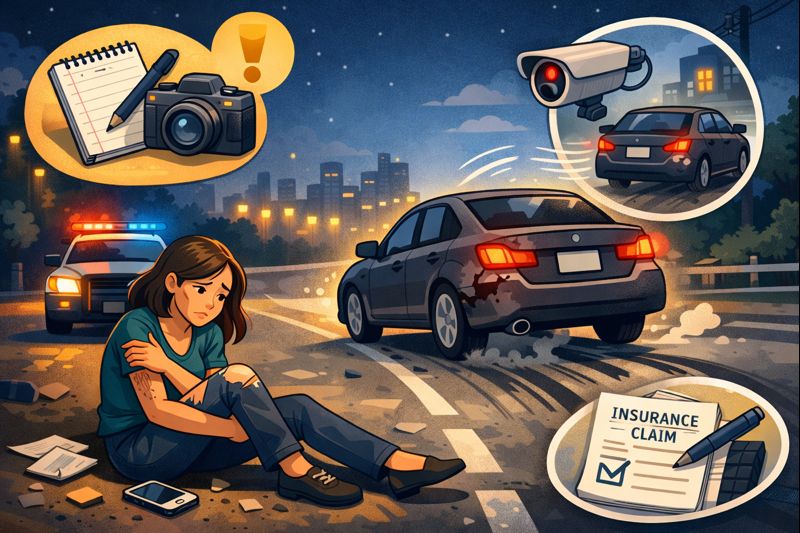
Try to note the license plate (even partial), vehicle make, model, color, damage, and direction of travel. Take photos and video of your scene and damage.
Talk to witnesses and look for cameras
Get names and contact info for witnesses. Note nearby businesses, homes, and intersections that may have security cameras or traffic cameras.
Get medical care and keep a simple record
Even if you feel okay, symptoms can show up later. Keep a short log of pain, treatment, missed work, and activity limitations.
The reel below is a quick reminder of the most important immediate steps, including calling police and reporting the crash.
The Utah-focused video below explains what can happen legally after a serious crash, and why your documentation and follow-through can affect compensation options.
Watch: What Happens Legally After You Are Hit
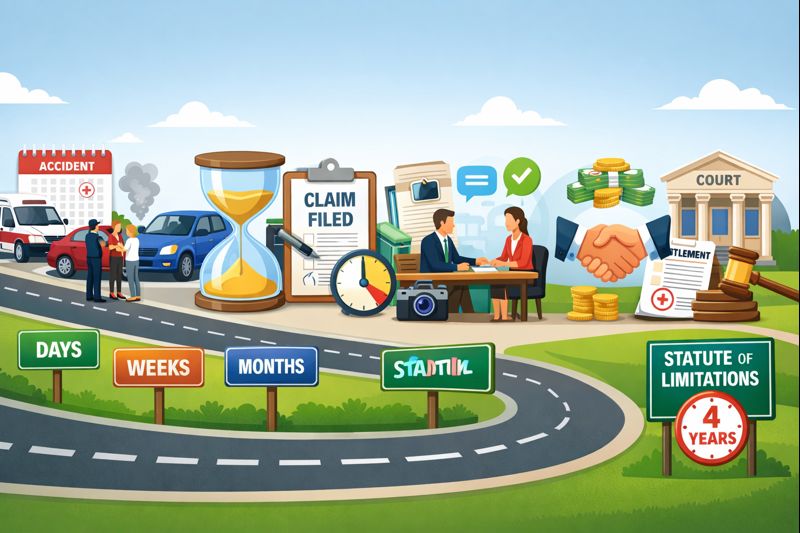
Typical Claim Steps in a Utah Hit-and-Run Case
Even though hit-and-run is a crime, many victims experience the case first through the insurance process. A clean, organized claim file helps both the insurance side and the investigation side.
Step 1: Make a police report and get the report number
Insurers often ask for the report number and basic facts. Reporting also helps preserve witness and scene information.
Step 2: Notify your insurer and ask about PIP and UM
Utah policies often include PIP, and hit-and-run incidents may trigger UM coverage because the vehicle can qualify as uninsured under Utah law.
Step 3: Document injuries, treatment, and expenses
Keep visit summaries, bills, mileage, and time missed from work. Consistent records reduce room for disputes.
Step 4: Document property damage before repairs
Photograph damage and keep estimates and invoices. If you can, keep the damaged parts until your insurer says they are not needed.
Step 5: Follow up on investigation leads
Share witness info and camera locations with law enforcement promptly. Time matters for video retention.
| Coverage or pathway | What it may help with |
|---|---|
| Personal injury protection (PIP) | PIP benefits can include medical-related expenses and other listed benefits, with a required minimum of not less than $3,000 per person for certain necessary services. See Utah Code 31A-22-307. Utah PIP benefits statute. |
| Uninsured motorist (UM) bodily injury | An unidentified vehicle that left the scene can qualify as an uninsured motor vehicle, and UM coverage can apply to damages for bodily injury, sickness, disease, or death. See Utah Code 31A-22-305. Utah UM statute. |
| Uninsured motorist property damage (if purchased) | Utah law allows an insured to request UM property damage coverage, and the statute includes limits and conditions. See Utah Code 31A-22-305.5. Utah UM property damage statute. |
| Criminal case restitution | If the driver is identified and prosecuted, restitution may be ordered in some cases. Restitution is separate from an insurance settlement and depends on the criminal case outcome. |
| Civil claim if the driver is identified | If the at-fault driver is found, a claim may involve liability insurance, and damages may also raise underinsured motorist (UIM) issues depending on limits and timing rules. Utah discusses UIM rules in Utah Code 31A-22-305.3. Utah UIM statute. |
This Utah-focused video discusses car accident claims and legal options for victims, including hit-and-run situations and how compensation is often pursued through insurance and UM coverage.
Watch: Legal Options After a Utah Hit-and-Run
Records and Paperwork That Often Matter in Hit-and-Run Claims
Most disputes in hit-and-run cases are not about whether you were hit. They are about proof: proof of how it happened, proof of injuries, and proof of the financial impact. Building that proof is mostly documentation.
Police report and incident number: Keep the report number and the agency contact information. Ask about supplements if new evidence appears.
Photos and video: Capture damage, debris, road marks, signage, and the broader scene. If you later identify camera locations, document the address and direction of the camera.
Medical records: Treatment summaries and billing statements help connect the injury to the crash. Utah’s PIP structure and limitations are addressed in 31A-22-309. Utah PIP limitations and conditions.
Wage loss and out-of-pocket costs: Pay stubs, employer letters, and receipts help support damages insurers often question.
If you are unsure how to organize the first 48 hours after a crash, this internal guide can help: what to do after a car accident in Utah.
Common Mistakes to Avoid After a Hit-and-Run
Hit-and-run cases create pressure to act quickly, and that can lead to choices that unintentionally weaken a claim. The goal is to stay consistent and protect evidence.
Waiting too long to report: Delays can make it harder to locate witnesses and video, and insurers may ask why the report was not made right away.
Not documenting the scene: Vehicle positions, damage angles, and roadway details can be the difference between approval and denial in a contested UM claim.
Repairing the vehicle before it is documented: If the damage is part of proving how the crash occurred, photos and inspection records matter.
Giving inconsistent statements: Small differences in details can create credibility disputes. Write a quick timeline while details are fresh.
Signing a release too early: Once a settlement is signed, reopening the claim is usually difficult or impossible.
The reel below highlights common mistakes to avoid after a crash and how to protect yourself as a victim, which is especially important in hit-and-run cases where evidence is already limited.
Next Steps
After the immediate crisis passes, the case becomes a follow-up process. This is where many hit-and-run claims either strengthen or slowly fade.
Follow up on leads fast: If you learn about nearby cameras, act quickly. Many systems overwrite footage on a short cycle.
Keep your medical file organized: Treatment gaps and missing records can create disputes about causation.
Understand coverage pressure points: If an insurer disputes coverage or fault concepts, it helps to understand how fault is evaluated and how no-fault rules work. See how fault is determined in Utah car crashes and Utah’s no-fault insurance rules.
Get guidance when the stakes are high: Serious injuries, disputed UM claims, or multiple vehicles can justify legal guidance early. See when to hire a Utah car accident attorney.
Talk to Gibb Law About a Utah Hit-and-Run Accident
Gibb Law is a Utah-based firm focused on clear, practical guidance for clients facing real-world legal problems. If you were injured in a hit-and-run, we can help you understand your options, how Utah’s PIP and UM rules may apply, and what steps can protect your claim.
Schedule a Consultation