Winter weather is part of life in Utah. But when a sidewalk, stairway, parking lot, or entryway turns icy, one slip can lead to serious injuries and a lot of questions about responsibility. Under Utah law, there is no one-size-fits-all answer. Liability usually depends on who controlled the area, whether the hazard was addressed reasonably, and what notice or warning existed.
Many snow and ice cases come down to practical details: How long had the ice been there? Was there a recent storm? Were walkways monitored and treated? Was the danger easy to see or hidden (like black ice)? And was the property private, part of an HOA, or owned by a city or other government entity?
Note: This article is educational information, not legal advice. Snow and ice claims can turn on location-specific rules and the exact facts of the incident.
Overview of Snow and Ice Slip Accidents in Utah
Snow and ice injury cases are usually handled as premises liability claims. In plain terms, the question is whether the person or entity responsible for the property failed to act reasonably to reduce a known risk. Many cases begin as an insurance claim. If the claim is denied or disputed, it may move toward a lawsuit where evidence and deadlines matter even more.
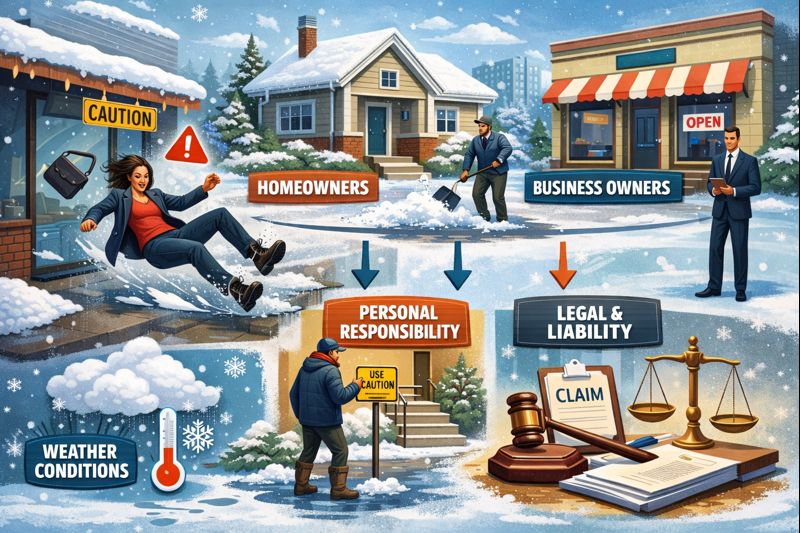
Responsibility is not limited to the property owner. Depending on the situation, liability may involve a business tenant, a property manager, an HOA, a snow removal contractor, or a government entity. A good starting point is identifying where the fall happened and who had day-to-day control of that area.
Control: Who maintained the walkway, steps, or lot where you fell (owner, tenant, HOA, or property manager).
Reasonableness: Whether snow and ice removal or treatment was handled in a reasonable way for the conditions.
Notice: Whether the hazard was reported, existed long enough to be discovered, or was part of a recurring issue.
Visibility: Whether the ice was obvious or hard to detect, and whether warnings or barriers were used.
Location rules: Local snow removal rules may apply for sidewalks, and different requirements can apply on public property.
If you want a plain-English foundation for how these cases are typically analyzed, start with understanding premises liability in Utah. For common winter fall locations and who often controls them, also see where slip and fall accidents commonly occur in Utah.
The video below discusses rights and responsibilities in winter slip and fall cases and helps frame the responsibility question in plain English.
Watch: Snow and Ice Slip Injuries and Liability Basics
Key Definitions and Utah Law Basics
Snow and ice cases usually focus on negligence. That means the evidence should connect to the questions a court or insurance adjuster will ask: Was there a dangerous condition? Was it handled reasonably? Did the responsible party have notice or time to fix it? Did the condition actually cause the fall and injuries?
Premises liability: A legal framework for injuries caused by unsafe conditions on property, including icy walkways and entrances.
Duty of care: The general obligation to take reasonable steps to keep lawful visitors safe (this can include treating or warning about ice).
Notice: Proof that the hazard was known, reported, or present long enough that reasonable inspection would have found it.
Comparative fault: Fault can be shared. In many cases, a person’s recovery depends on how fault is allocated among everyone involved.
Deadlines: Time limits can apply, and special notice rules can apply if a government entity is involved.
Snow removal duties can also be influenced by local rules. Even when the details vary by city, local requirements can help explain what is expected in that area.
The video below focuses on a property owner’s duty around snow and ice and how responsibility may arise when hazards are not addressed.
Watch: Property Owners and Snow and Ice Removal Responsibility
The Instagram reel below highlights how icy falls happen in real life and why the responsibility question often depends on preventability and notice.
If your fall happened near a business, apartment complex, or HOA common area, the next step is usually figuring out who actually controlled the area where you fell. Responsibility can change based on leases, maintenance agreements, and which areas are shared versus private.
Typical Claim Steps and What to Document
Snow and ice slip cases are easier to evaluate when the story is supported by a clear timeline. Early documentation matters because ice melts, snow gets shoveled, and camera footage may be overwritten as part of normal operations.
Step 1: Get medical care and create a record
Medical records help connect the fall to the injury and establish a treatment timeline.
Step 2: Photograph and video the surface conditions
Capture wide shots and close-ups. Show ice, packed snow, footprints, slope, drainage, lighting, and any warning signs.
Step 3: Report the incident and note who you told
Ask if a report was created. Write down names, job titles, and the time of the report.
Step 4: Identify witnesses
Get names and contact information. If someone is willing, ask for a short written summary.
Step 5: Preserve details that help show timing and notice
Note when precipitation occurred, whether the area looked treated, and whether the hazard seemed old or newly formed.
The Instagram reel below is a reminder that not every winter slip automatically turns into a lawsuit, but responsibility can exist when the hazard could have been addressed reasonably.
If you are dealing with an insurance adjuster after a fall, this guide can help you understand what to expect: dealing with insurance adjusters in Utah.
Required Records and Filings That Commonly Matter
There is not one single “Utah slip and fall form” that applies to every winter injury. Instead, most claims rise or fall based on whether you can gather the right records and meet the right deadlines for the location involved.
Incident report information: If a business or property has staff, ask whether a report was created and request a copy if available.
Medical and billing records: Keep visit summaries, imaging results, prescriptions, therapy notes, and invoices.
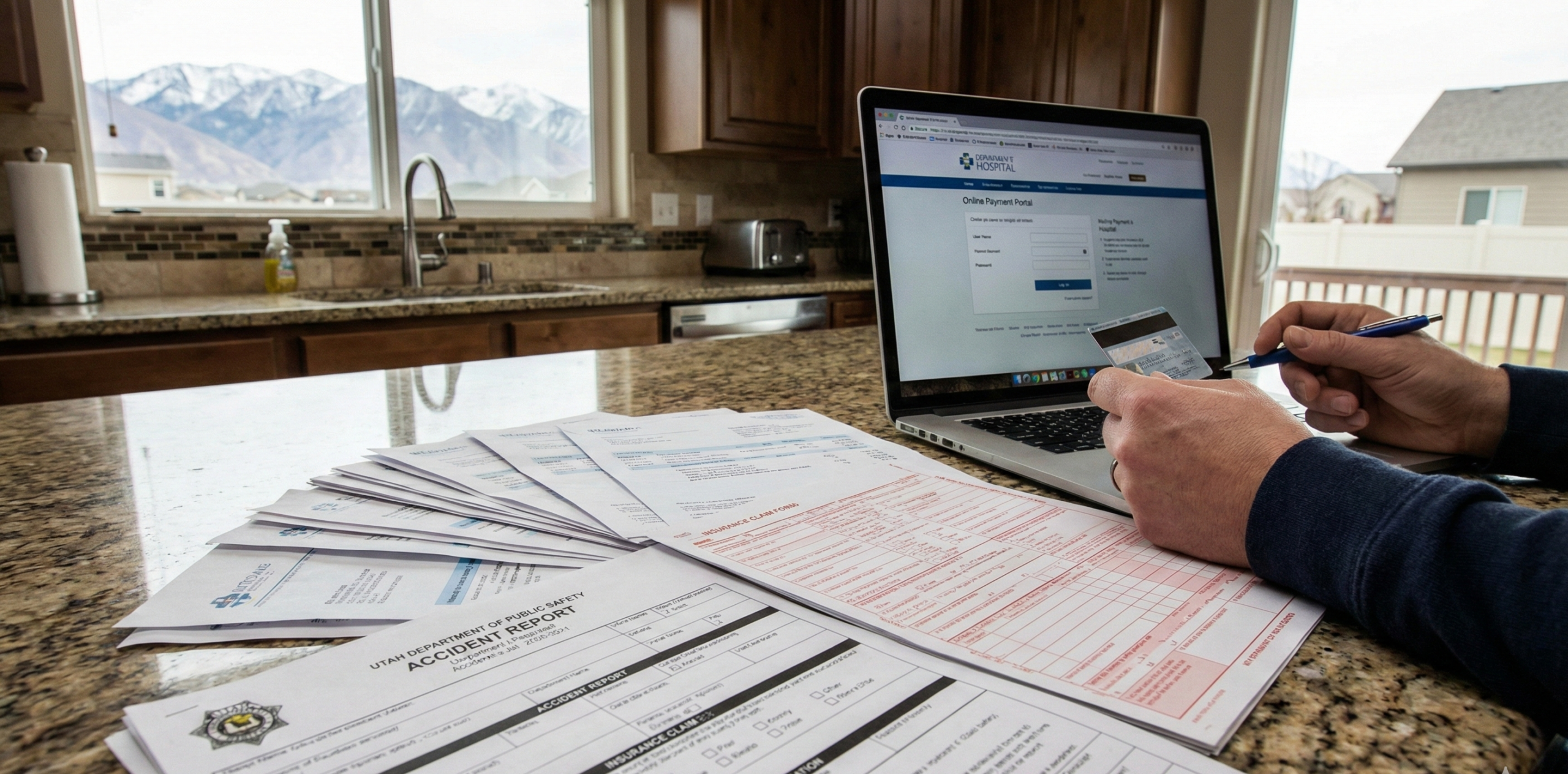
Insurance claim information: Save claim numbers, adjuster names, letters, emails, and notes from calls.
Proof of lost income: Pay stubs, employer confirmation, and documentation of missed time or work restrictions.
Public property notices: If a city or other government entity may be responsible, special notice requirements may apply and can be time-sensitive.
Falls on city sidewalks, public buildings, schools, or other government-controlled areas can involve extra rules. The video below explains what to know if you are injured on city or public property and why early action can matter.
Watch: Slip and Fall Injuries on City or Public Property
The Instagram post below focuses on winter falls in Utah and the importance of getting help when injuries and costs start adding up.
If you want a practical checklist for documentation, this resource is a strong companion to winter fall cases: collecting evidence after a slip and fall accident.
Common Mistakes to Avoid in Winter Slip Claims
Many snow and ice claims become difficult because key facts are missing. These are common issues that can often be prevented by early documentation and careful communication.
Assuming someone is automatically responsible: Liability depends on control, notice, and whether the response was reasonable for the conditions.
Not documenting timing: Weather changes quickly. Write down when precipitation occurred and how the area looked when you arrived.
Leaving without identifying witnesses: A neutral witness can help confirm what the surface looked like and whether warnings existed.
Waiting too long to request camera footage: Many systems overwrite footage on a schedule. A quick request can matter.
Downplaying symptoms early: Getting timely medical care can protect your health and create a clearer record of injury and treatment.
It also helps to avoid arguments or speculation at the scene. Stick to the basics: report the incident, ask that the area be documented, and focus on gathering accurate information.
| Where the fall happened | Who may be responsible |
|---|---|
| Business entryway or parking lot | The business owner, property owner, tenant, or property manager, depending on who controlled maintenance. |
| Apartment or rental property common area | Often the landlord or property manager, and sometimes an HOA or contractor if they controlled snow removal. |
| HOA sidewalks or shared walkways | The HOA or management company if they maintained the common areas, depending on governing documents and practice. |
| Public sidewalk or public building area | A government entity may be involved, and special notice requirements may apply based on the location. |
| Private home walkway | Responsibility can depend on visitor status and whether the homeowner acted reasonably under the circumstances. |
Explore Related Utah Legal Guides
If you want more Utah-specific guidance on winter slip claims, these articles are strong next steps and can help you understand liability, evidence, and what to do after an incident.
Next Steps After a Snow or Ice Slip in Utah
If you are trying to stay organized after a winter fall, this checklist is a strong starting point. You do not need perfect documentation. You just need reliable basics that preserve what happened and support your medical and financial records.
Save scene photos and video: Wide angles, close-ups of ice or packed snow, and the surrounding area including lighting and signage.
Write a short timeline: Where you were going, when you arrived, what you saw, what you felt, and who you reported it to.
Keep medical documents together: Visit summaries, treatment plans, work restrictions, and invoices.
Track insurance communications: Claim numbers, adjuster details, and copies of emails and letters.
Confirm who controls the property: Business tenant vs. owner, HOA vs. property manager, or public entity vs. private owner.
Talk to Gibb Law Firm About a Winter Slip and Fall Claim
Gibb Law Firm is a Utah-based law firm focused on clear, practical guidance for people facing real legal problems. If you were injured in a snow or ice slip and want help understanding who may be responsible and what to do next, our team can help you evaluate your options and build a clear plan forward.
Schedule a Consultation