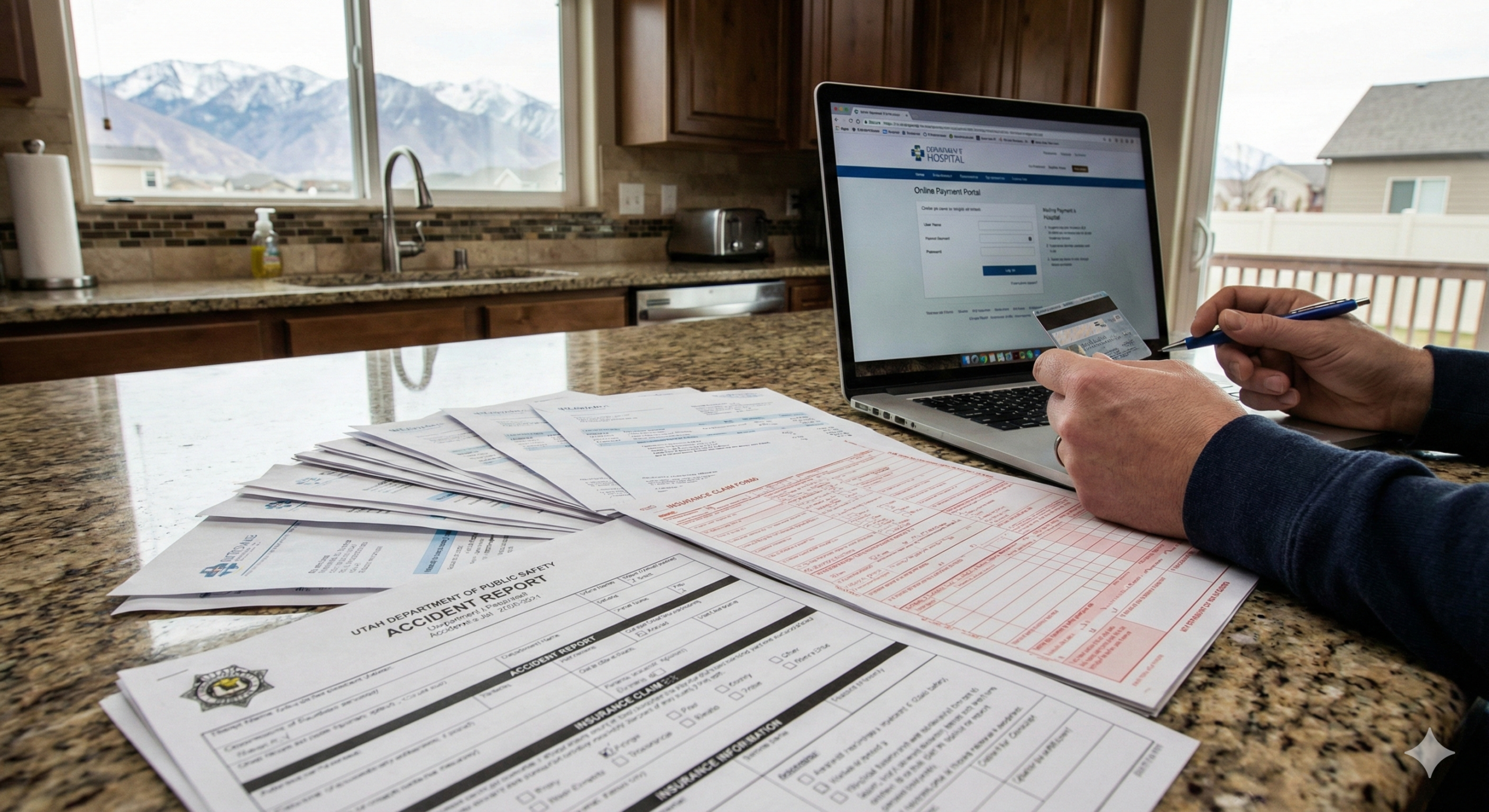
Should you accept the first settlement offer in Utah? In most insurance claims, the first offer is designed to close the file quickly, not necessarily to reflect the full cost of your injuries, missed work, or future treatment.
This plain-English guide explains how settlement offers typically work in Utah insurance claims, what to review before you sign anything, and how to avoid common mistakes that can reduce your recovery.
Note: This article is for educational purposes and is not legal advice. Every case is different, and deadlines and coverage rules can change outcomes.
Should You Accept the First Settlement Offer in Utah
Insurance settlements can feel like a relief—especially when medical bills are piling up and you just want the stress to end. But once you accept a settlement and sign a release, you usually cannot go back and ask for more later, even if new symptoms appear or treatment becomes more expensive than expected.
Before you decide, it helps to understand how the process works and what options you have. If you’re new to claims, start with our guide to filing an insurance claim after an accident in Utah. If you’re already negotiating, see our overview of how to negotiate a settlement with Utah insurers.
The short video below explains why first offers are often lower than expected and why it’s smart to slow down before accepting.
Watch: Why You Should Not Accept the First Offer
If you’re dealing with pressure tactics, delays, or confusing policy language, you may also find it helpful to read our breakdown of what to do when insurers delay or deny claims in Utah and our guide to bad faith insurance practices in Utah.
Key Definitions and Utah Claim Basics
Settlement decisions are easier when you understand the vocabulary. Here are the most important terms that show up in Utah insurance claims and settlement paperwork.
Settlement offer: A proposed payment amount intended to resolve your claim. It may be presented as “final” even when it isn’t.
Release of claims: The document you sign to accept settlement funds. It typically ends your right to seek additional payment from that insurer or party for the same incident.
Medical specials: The documented medical bills tied to the incident (often used as a starting point for evaluating value).
Pain and suffering: Non-economic damages that may be considered depending on the claim type and facts.
First-party vs third-party claim: A first-party claim is against your own policy; a third-party claim is against someone else’s insurer. Learn more in understanding first-party vs third-party claims in Utah.
In many cases, the “right” settlement amount depends on what your records show, what future care you reasonably need, and what the policy covers. That’s why it’s risky to settle before you understand the full picture.
Why the First Offer Is Often Lower Than Expected
Insurance adjusters evaluate claims using internal guidelines, documentation, and risk calculations. An early offer may come before your treatment is complete, before the insurer has all records, or before long-term issues are clear. The result is often a number that feels disconnected from what you’re experiencing.
| Factor | Why It Matters | What to Gather |
|---|---|---|
| Treatment status | Settling while you’re still treating can undercount future medical needs. | Current records, provider notes, future care recommendations. |
| Lost wages and work impact | Missing work, reduced hours, or job limits can increase value. | Pay stubs, employer letter, time-off documentation. |
| Injury documentation | Weak or missing documentation is one of the biggest settlement reducers. | ER notes, imaging, follow-ups, physical therapy notes. |
| Liability disputes | If fault is debated, insurers may offer less to “split the difference.” | Photos, witness info, police report, timeline notes. |
| Coverage limits | Even strong cases may be constrained by policy limits. | Declarations page, claim letters, coverage confirmations. |
The video below explains how low initial offers can be countered through stronger documentation and a structured negotiation approach.
Watch: How to Counter a Low Settlement Offer
Typical Utah Claim Steps and When Settlements Happen
Most settlement negotiations happen after the insurer has enough information to estimate total damages. That usually means records are gathered, treatment is stable or completed, and your losses can be clearly supported.
Open the claim and document the basics
Report the incident and start collecting records early. Keep a simple timeline of symptoms and treatment.
Get medical care and follow through
Consistent treatment creates clearer documentation. Gaps in care are commonly used to argue injuries were not serious.
Exchange records and demand a settlement
A demand package typically summarizes injuries, bills, lost wages, and supporting exhibits.
Negotiate and evaluate the release terms
Before accepting, confirm what the release covers, whether liens exist, and whether future care is addressed.
The Instagram reel below shows the “real life” timeline many people experience in injury claims and why rushing to settle can backfire.
Required Documents and What to Review Before Accepting
Settlement paperwork can look routine, but details matter. If you’re considering accepting an offer, make sure you understand these items first.
Release language: Confirm whether it releases only the insurer or also other parties. Make sure it matches what you intend to settle.
Itemization of damages: Ask how the insurer calculated the offer (medical bills, wage loss, other expenses).
Medical liens and reimbursement: Some medical providers or health plans may claim reimbursement from settlement funds.
Deadlines and conditions: Some offers expire quickly or require specific steps before payment is issued.
The strategy-focused video below breaks down settlement tactics and what to consider before saying “yes” to an early offer.
Watch: Settlement Strategy and What to Consider
Common Mistakes to Avoid With First Settlement Offers
Many people accept the first offer for understandable reasons—financial pressure, fatigue, and the hope that closing the claim ends the stress. But these common mistakes can reduce your recovery.
Settling before treatment is stable: If your condition changes later, the release can prevent additional compensation.
Signing without reading the release: Some releases are broader than people realize. Always confirm what you’re giving up.
Underestimating future costs: Follow-up care, physical therapy, and medication can add up quickly.
Giving recorded statements casually: Statements can be used to minimize injuries or shift blame if details are inconsistent.
Assuming the insurer is “on your side”: Adjusters may be professional and polite, but their job is to control costs.
The Instagram reel below is a quick reminder not to sign or accept settlement paperwork too fast—especially when you’re being pushed to decide immediately.
Next Steps If You Receive a Low First Offer
If the offer feels too low, you typically have options. The best next step depends on your injuries, coverage type, and how far along you are in treatment.
Ask for the basis of the offer
Request a clear explanation of how the insurer calculated the number and what documents they relied on.
Strengthen your documentation
Gather missing medical records, wage verification, and out-of-pocket expense receipts before countering.
Submit a structured counteroffer
A counter should be supported by evidence, not just frustration. Tie amounts to bills, wages, and treatment notes.
Watch for bad faith warning signs
If you see unreasonable delays or unfair tactics, review Utah bad faith insurance practices and consider getting legal help.
The Instagram reel below shows how attorneys review and negotiate settlement offers—and why a quick low offer should be evaluated carefully.
Talk With Gibb Law About a Settlement Offer
Gibb Law is a Utah-based firm focused on clear, practical guidance. If you received a settlement offer and want help understanding whether it’s fair, what the release means, or how negotiation typically works, we can review your situation and explain your next steps in plain English.
Schedule a Consultation