When life changes, so can your child support order. Utah law recognizes that circumstances like a new job, job loss, changes in custody, or medical needs can affect the amount of support a parent pays or receives. This guide walks through how to modify child support in Utah, what the law says, when you can file, and how the process works in court and through administrative channels.
Understanding Child Support Modification in Utah
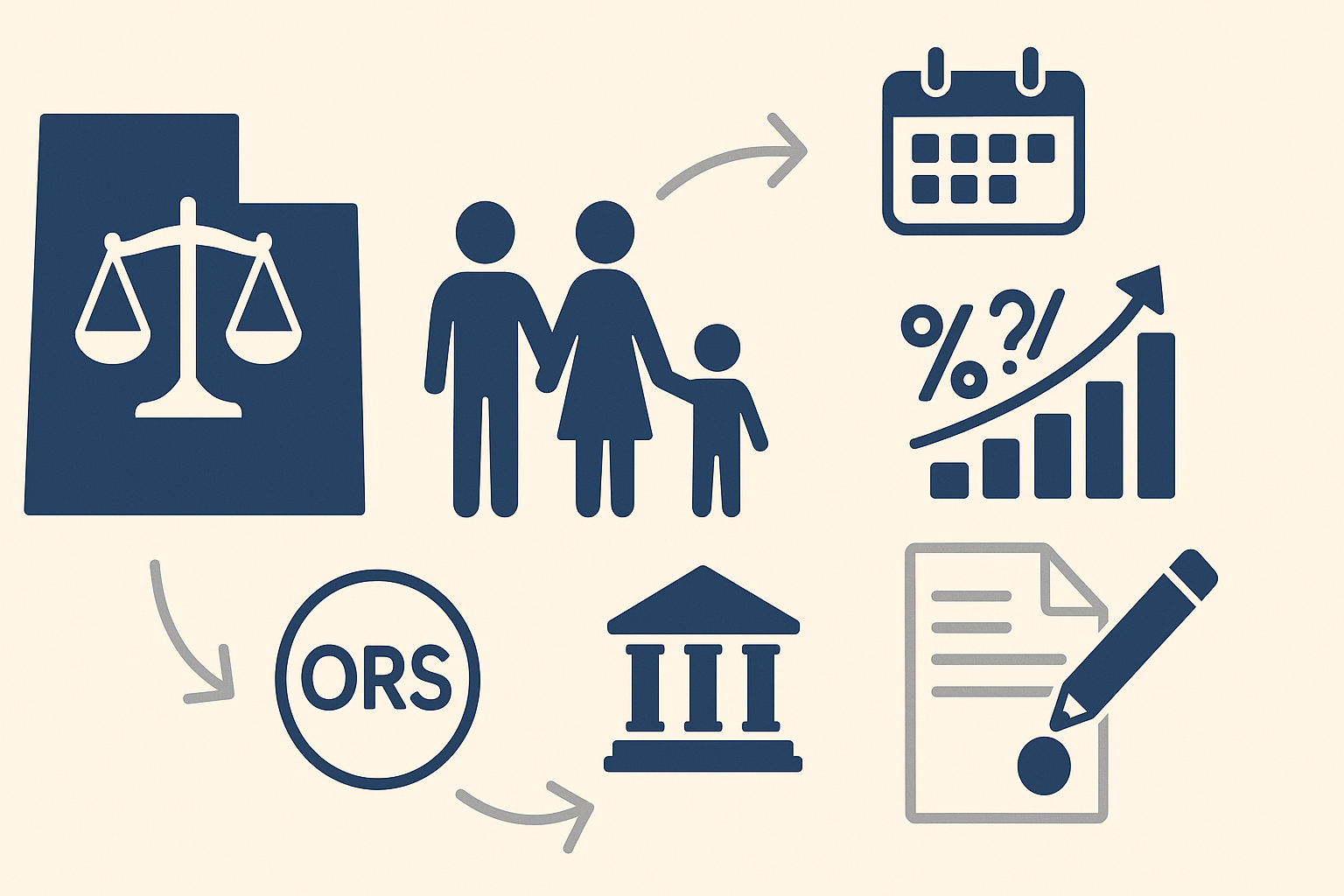
Child support modification simply means asking the court (or the Utah Office of Recovery Services, known as ORS) to change an existing order. These orders are not automatically adjusted over time, so parents must formally request a modification when there’s a significant change in financial or personal circumstances.
Under Utah Code §78B-12-210, you can seek a modification if:
It has been at least three years since the existing order was entered, and the new amount would differ by 10% or more.
Or, if it’s been less than three years, there’s a substantial material change in circumstances (like job loss, increased income, changes in medical costs, or changes in custody arrangements).
Each situation is fact-specific, so documentation is critical such as pay stubs, tax returns, or proof of expenses related to the child’s care.
Watch: Step-by-Step Overview of the Modification Process
This video explains the main steps, required forms, and how Utah courts evaluate changes in income or family structure when deciding whether to modify child support.
How to Request a Modification
There are two main ways to modify child support in Utah: through the court or the ORS administrative process.
Court Petition for Modification
If your original child support order came from a divorce or custody case, you usually return to the same court to file a “Petition to Modify Child Support.” You’ll need to:
- Fill out and file the official court forms.
- Serve the other parent.
- Provide updated financial declarations.
- Attend mediation (in some cases) or a hearing before a judge.
A judge will review your evidence and decide whether the change is justified.
Watch: ORS Administrative Process Explained
How ORS conducts reviews and what evidence supports your modification request.
Administrative Review Through ORS
ORS can review your case to see if the current amount should change, especially if you receive or pay support through the state system. This is often a faster and less formal process, handled mostly through documentation and administrative decision-making.
Key Terms and Utah Statutes
Substantial change in circumstances: A meaningful financial or custodial shift that wasn’t temporary or voluntary.
Material change: One that directly affects the fairness of the current order (such as a major income change or health issue).
Utah Code §78B-12-210: Main statute governing child support modification.
Utah Code §78B-12-219: Describes how to calculate child support based on the number of children and custody type.
Real-world Utah parent insight on navigating child support changes.
Required Forms and Where to File
For court-based cases, the following are common forms you’ll need:
- Petition to Modify Child Support
- Financial Declaration
- Summons
- Notice of Hearing or Mediation (if required)
You can access official forms from the Utah Courts website or file online through MyCase. If you go through ORS, they’ll provide their own documentation packet for administrative review.
Common Mistakes to Avoid
Not showing a clear, documented change in circumstances.
Submitting incomplete financial information.
Filing too soon after a previous modification.
Forgetting to include necessary forms or failing to properly serve the other parent.
Video: Motion to Modify Child Support Explained
What to expect after filing and how judges weigh evidence in Utah child support modification hearings.
Instagram Highlight: Gibb Law on Child Support Reviews
Quick explainer on when to request a review and why acting early helps.
What Happens After You File
Once your request is submitted, the court or ORS will review your financial information and the other parent’s response. If both sides agree to the change, the modification can often be approved without a hearing. If not, the court may schedule mediation or a short hearing.
After approval, the modified order replaces the previous one and becomes legally enforceable immediately.
Next Steps and Legal Help
Modifying child support affects both parents and children long-term. Whether you’re seeking a reduction or increase, understanding Utah’s rules and preparing strong documentation is key.
If you’re unsure where to start or need help presenting your case, Gibb Law can guide you through forms, evidence, and hearings.
Schedule a Consultation