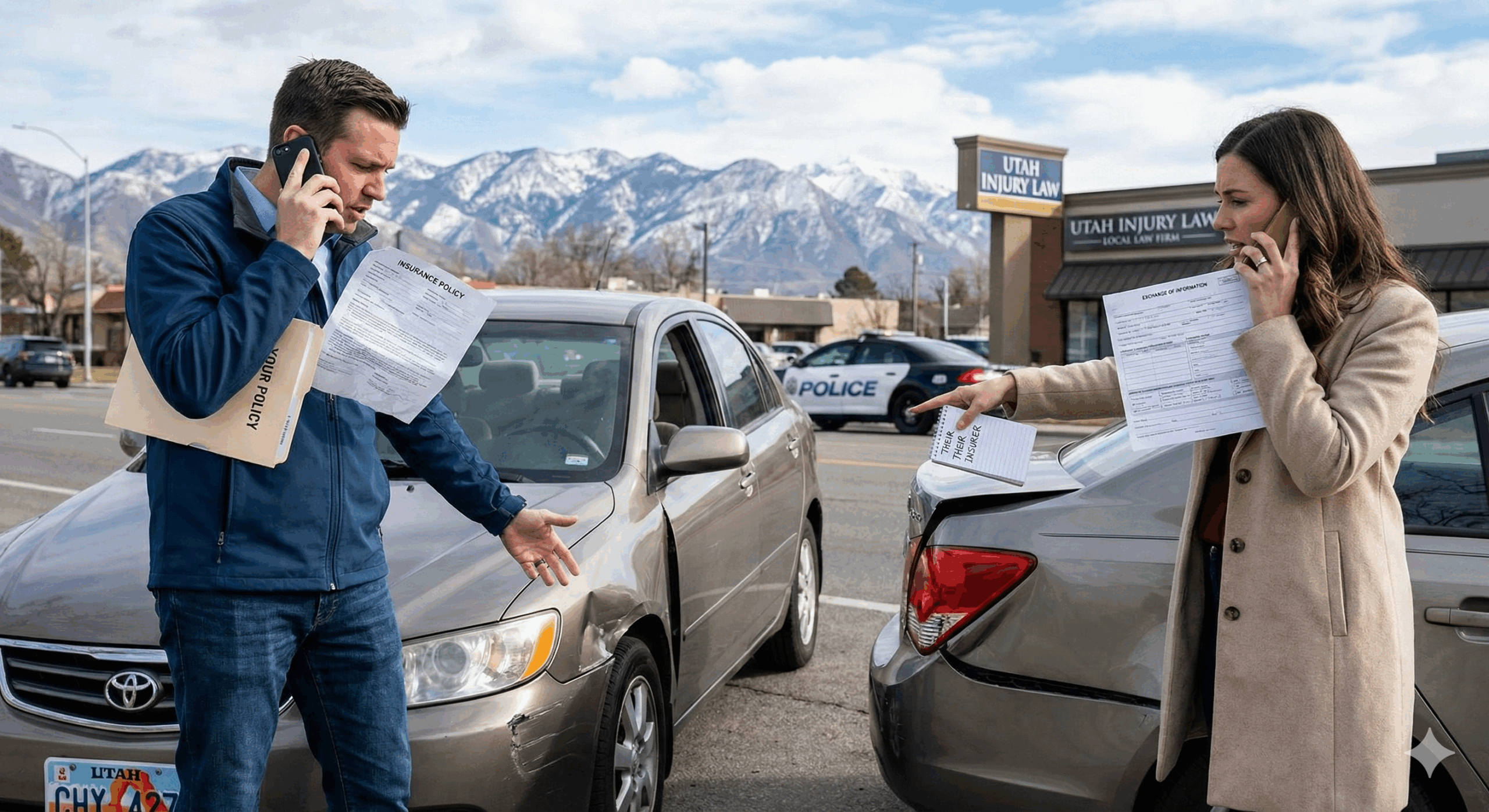
After a crash, most people feel the same two pressures at once: you need repairs and medical care, and you do not want to say or do the wrong thing with Utah insurance.
This guide explains how to file an insurance claim after an accident in Utah, what information insurers typically request, and how to avoid mistakes that can slow down a claim or reduce a fair payout. For the first steps right after a crash, see what to do after a car accident in Utah.
Note: This is educational information, not legal advice. Insurance claims are fact-specific, and coverage depends on your policy and the details of the accident.
How Filing a Claim Works in Utah
In plain English, filing a claim means you are notifying the insurance company about the accident and asking it to cover losses that fall under your policy. That can include property damage, medical bills, lost income, and other costs, depending on the type of coverage involved.
Many Utah claims start with a quick report to an insurer, then move into a documentation phase. The insurer may request photos, repair estimates, medical billing information, and a recorded statement. You do not need to guess on timelines. A helpful companion is Utah car accident claim timelines explained, which walks through what usually happens after the initial report.
The video below gives a Utah-focused overview of the general auto accident process and where insurance claims fit in.
Watch: Utah Auto Accident Process and the Claims Path
Key Definitions and Utah Rules to Know
Insurance language can feel abstract. These plain-English definitions help you understand what you are being asked for and why it matters.
First-party claim: A claim you make with your own insurer under your own policy, such as collision coverage or certain medical-related coverages.
Third-party claim: A claim you make against the other driver’s insurer, usually tied to fault and liability.
No-fault basics: Utah has no-fault insurance rules for some medical expenses after a crash. Understanding that system can shape which claim you file first. See understanding Utah’s no-fault insurance rules.
Adjuster: The insurance representative who investigates the claim, reviews documentation, and evaluates payment decisions.
Settlement: A final agreement that resolves some or all claims. Settlements often include paperwork that closes out rights, so it is important to understand what you are signing.
If you are unsure how to communicate with an adjuster, this guide is a strong next read: dealing with insurance adjusters in Utah.
This quick Instagram reel acknowledges what many people feel after a crash: the claim process can be intimidating, but a clear plan makes it manageable.
Typical Steps to File an Insurance Claim After an Accident in Utah
The goal is consistency: report the accident, document losses, and respond to insurer requests without guessing or over-explaining. These steps cover what most people need to do in the first days and weeks.
Step 1: Make a prompt report
Notify the correct insurer and provide basic facts: date, location, drivers, vehicles, and how to reach you.
Step 2: Gather key documentation
Photos, repair estimates, medical visit summaries, and a simple written timeline help prevent confusion later.
Step 3: Track treatment and expenses
Keep organized records of appointments, bills, prescriptions, missed work, and out-of-pocket costs.
Step 4: Communicate carefully with the adjuster
Answer what is asked, stick to facts, and keep copies of emails, letters, and claim notes.
Step 5: Review any settlement terms before signing
Many settlement documents close out future claims. Make sure you understand the full impact before you agree.
The video below provides a simple, step-by-step view of filing an auto insurance claim that applies broadly, including in Utah. Use it as a checklist, then match it to your specific policy and the insurer’s instructions.
Watch: How to File an Auto Insurance Claim in Practical Steps
Documents and Information Insurers Commonly Request
You may not need every item below for every claim, but having these ready usually speeds things up and reduces back-and-forth.
Basic accident details: Date, time, location, vehicle information, and the names and contact details of drivers and witnesses.
Police report or incident number: If law enforcement responded, this helps insurers confirm the report and request a copy.
Photos and videos: Vehicle damage, the scene, road conditions, and visible injuries, if appropriate.
Repair documentation: Estimates, invoices, and communication with body shops or towing providers.
Medical documentation: Appointment summaries, billing statements, and proof of prescriptions or therapy, if you are making an injury-related claim.
If you want a Utah-specific view of how damages are evaluated in injury claims, this resource can help you understand what insurers look for when they value a case: calculating damages in a Utah car accident case.
Image reference used for this guide:

Special Situation: Uninsured or Underinsured Drivers
Sometimes the other driver has no insurance, not enough coverage, or their insurer disputes fault. In those situations, your own policy may matter more than people expect. It is important to identify the right coverage early so you do not waste time in the wrong lane.
A practical sign you may be dealing with this situation is a slow response from the other insurer, a quick denial, or an offer that does not match clear documentation. The earlier you clarify coverage and documentation needs, the less likely your claim is to stall.
The video below focuses specifically on uninsured and underinsured motorist claim considerations, with Utah tips.
Watch: UM and UIM Claims Tips for Utah Drivers
Common Mistakes to Avoid During the Claim Process
Most claim problems come from rushed communication and missing documentation. These are some of the most common issues that cause delays or reduce leverage during settlement talks.
Waiting too long to report: A delayed report can raise questions and slow down investigation.
Over-explaining in early statements: Stick to facts you know. Avoid guessing about speed, distances, or injuries you have not fully evaluated.
Not documenting losses: Missing receipts, missed-work details, or treatment summaries can make it harder to support a fair value.
Signing releases too early: Some documents can close out claims before you understand the full medical picture.
Ignoring follow-up requests: If an insurer asks for documentation, respond promptly and keep copies of everything you submit.
This reel offers quick, practical reminders about navigating insurance claims after a crash and what to expect from the process.
What to Do if Your Claim Is Delayed or Stalled
Delays happen for many reasons: missing records, unclear liability, competing repair estimates, or unanswered questions from an adjuster. The best approach is to stay organized and respond with clean documentation. A simple paper trail often moves a claim forward faster than repeated phone calls.
If you are unsure whether a delay is normal or a red flag, reviewing typical timing can help. Start with Utah car accident claim timelines explained, then compare that to what your insurer is telling you.
The reel below is focused on claim delays and what you can do when the process is not moving.
Next Steps After You File
Once the claim is open, your job is to keep the file clean: document, follow treatment guidance, and communicate carefully. If you are dealing with injuries, continue tracking how the accident affects daily life, not just bills and receipts.
Keep a simple claim folder: Store claim numbers, adjuster contact info, and all emails, letters, estimates, and medical billing documents.
Update your documentation as you go: New appointments, new diagnoses, new time off work, and new expenses should be logged consistently.
Be cautious with settlement offers: Confirm what is included and whether any release language closes out future claims.
Know when to get help: If fault is disputed, injuries are significant, or the insurer is not being reasonable, it may be time to speak with counsel.
Talk to Gibb Law Firm About a Utah Insurance Claim
Gibb Law Firm is a Utah-based law firm focused on clear, practical guidance for people facing stressful legal problems. If you are dealing with a difficult insurance claim after an accident, we can help you understand your options, identify what evidence matters most, and clarify next steps under Utah law.
Contact Gibb Law Firm