After a crash, one of the first questions people ask is, “Who was at fault?” In Utah, fault matters because it can affect whether you can pursue a claim, how much an insurance company offers, and whether a case makes sense to litigate.
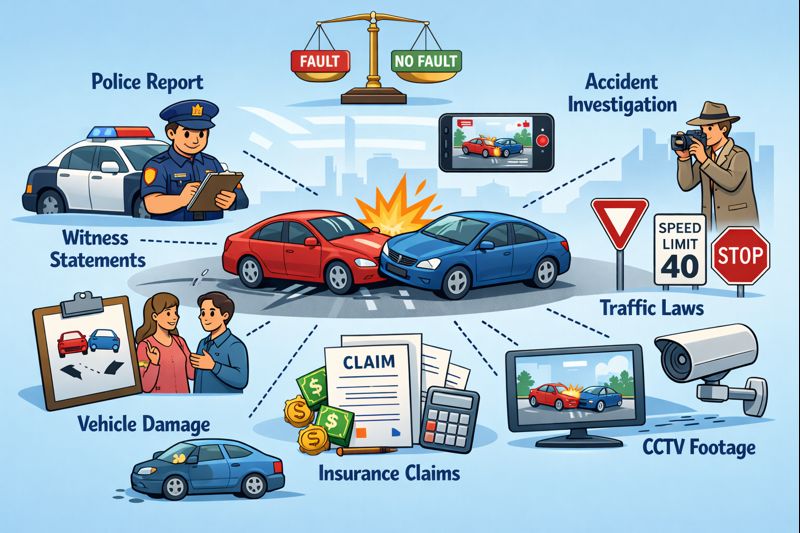
Fault is usually determined using a mix of evidence. That can include the police crash report, photos and video, witness statements, vehicle damage patterns, and the rules of the road. Insurance adjusters often make early decisions, but those decisions can be challenged when the evidence tells a different story.
If you want a starting point for broader car accident help on the firm site, see Gibb Law’s car accident practice page. For a plain-English look at how insurers evaluate claims, read how insurance companies handle car accident claims.
Note: This article is educational information, not legal advice. Deadlines and coverage rules can be strict, and the right approach depends on the facts of your crash and the available insurance.
How Fault Is Determined in Utah Car Crashes
In many Utah car crashes, fault is determined first through the insurance claim process. Insurers review the available evidence and apply Utah’s negligence and comparative fault rules to estimate who caused the crash and by what percentage. If the parties cannot agree, fault may ultimately be decided in a lawsuit through settlement negotiations, mediation, or a trial.
Insurance decisions come early: Adjusters often assign fault quickly, sometimes before all facts are known. Early documentation can make a real difference.
Comparative fault can reduce recovery: If you share some responsibility, your damages can be reduced based on your percentage of fault.
Evidence drives outcomes: Photos, video, witness statements, and damage patterns often matter more than assumptions about what happened.
Claims and lawsuits are different: Insurance decisions are not always final. If the evidence supports it, liability can be challenged.
The Utah-focused video below explains comparative fault and how fault percentages can affect compensation in a Utah car accident claim.
Watch: Comparative Fault in Utah Car Accidents
Key Definitions and Utah Laws That Shape Fault Decisions
Fault determinations usually come down to negligence. In plain terms, negligence is failing to use reasonable care and causing harm. Utah also uses comparative fault rules, which means more than one person can share responsibility for a crash.
Negligence: A driver breaches a duty to use reasonable care on the road, and that breach causes damages.
Comparative fault: Responsibility can be split among drivers and, in some cases, other parties. Compensation may be reduced based on the percentage of fault assigned.
Comparative negligence statute: Utah’s comparative negligence framework is addressed in Utah Code Section 78B-5-818.
PIP limitations and conditions: Utah’s personal injury protection structure and related limitations are commonly referenced under Utah Code Section 31A-22-309.
Accident reporting rules: Crash reporting requirements are addressed in Utah Code Section 41-6a-402.
The reel below highlights a common fault scenario. When a driver violates a traffic rule like running a red light, that violation often becomes a key part of the liability analysis.
Typical Claim Steps and How Insurers Assign Fault
Most people experience fault determinations through the insurance process first. Even if a police officer issues a citation, insurers still review statements and physical evidence. If there is a serious dispute, the same evidence is what attorneys and courts rely on later.
Step 1: Document the crash scene
Take photos and video of vehicle positions, damage, lane markings, traffic signals, skid marks, and road conditions.
Step 2: Collect witness information
Neutral witnesses can be important when drivers disagree. Get names and contact details as soon as possible.
Step 3: Get the crash report
The crash report often includes a diagram, statements, and other details insurers use when evaluating liability.
Step 4: Start the claim and preserve records
Track claim numbers, adjuster contacts, repair estimates, and medical documentation. Consistency helps when fault is contested.
Step 5: Negotiate or prepare for litigation
If fault remains disputed, the claim may move into a demand and negotiation phase, and sometimes into a lawsuit.
| Evidence source | How it can help determine fault |
|---|---|
| Crash report and citations | Provides a baseline timeline, statements, and investigation notes that may support or challenge a fault theory. |
| Photos and video | Shows signal status, lane positions, damage angles, and roadway context that helps reconstruct the collision. |
| Vehicle damage patterns | Helps confirm points of impact and direction of travel, which can support or contradict a driver’s narrative. |
| Witness statements | Independent observations can clarify right-of-way issues, speed, and potential distraction. |
| Medical and treatment records | Supports injury causation and may reduce arguments that injuries were unrelated to the crash. |
This Utah-focused video walks through practical evidence that can help prove fault, including photos, damage location, and scene details that often matter in disputed claims.
Watch: How to Prove Fault in Your Utah Car Accident
The reel below shows how real crash footage can support an investigation. Third-party video can be especially useful when fault is disputed.
Records and Paperwork That Often Matter in Fault Disputes
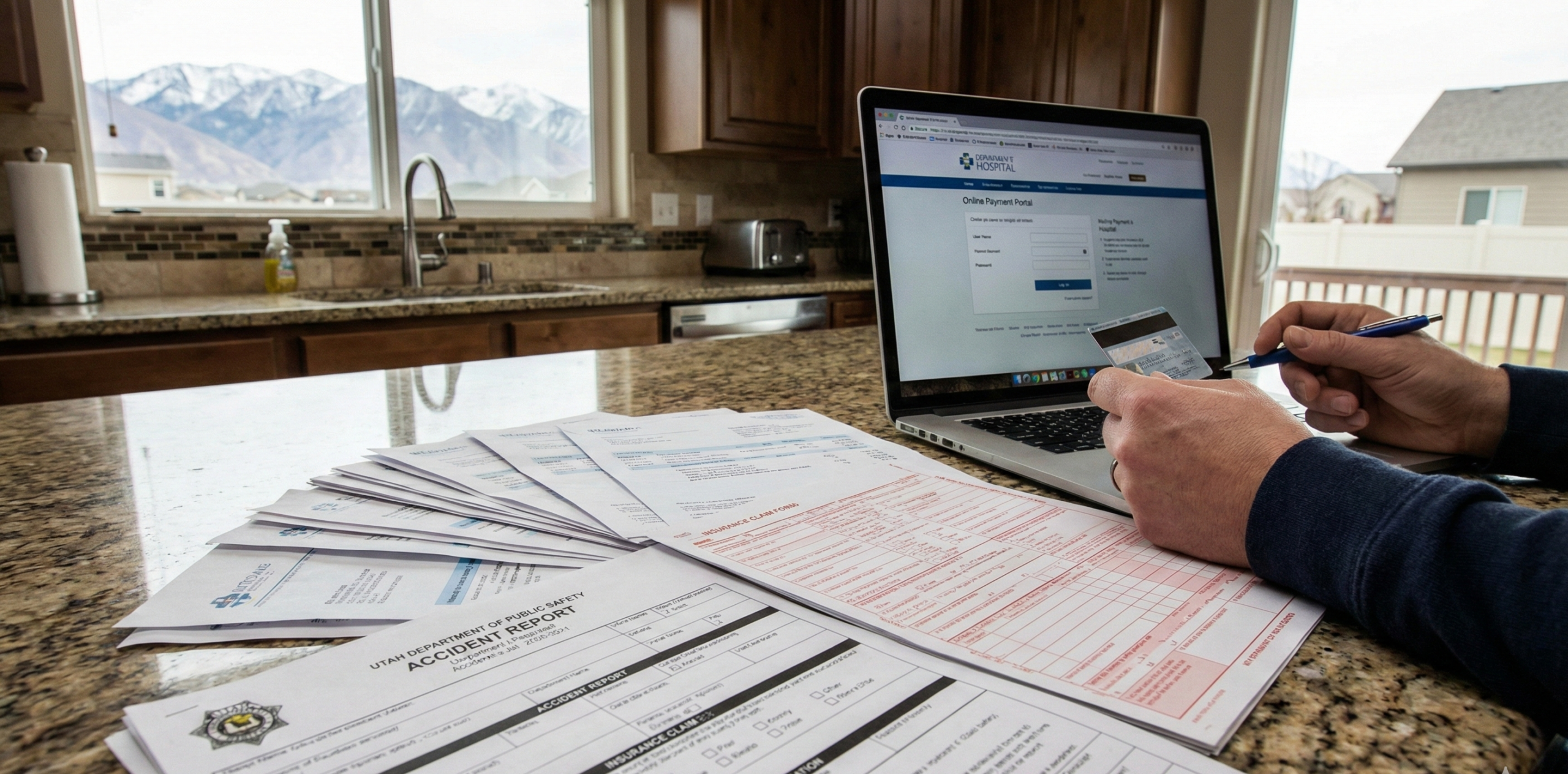
Fault decisions are only as strong as the documentation behind them. The exact forms and requests depend on the insurer, the agencies involved, and whether a case becomes a lawsuit. The goal is to preserve records that help prove what happened and what it cost you.
Crash report and supplemental records: Reports, diagrams, and references to body camera or dash camera footage may matter in disputed fault cases.
Insurance claim documentation: Claim numbers, repair estimates, photos, and adjuster communications help track liability and damages.
Medical records: Treatment notes and billing summaries can support injury causation and the seriousness of the collision.
Proof of wage loss and expenses: Employer letters, pay stubs, and receipts can support damages insurers often challenge.
For a broader overview of the personal injury claim process in Utah, see understanding personal injury claims in Utah. If you are trying to estimate value, this guide can also help: what factors determine the value of a personal injury claim.
Common Mistakes to Avoid After a Utah Car Crash
People can unintentionally damage their own claim in the first hours and days after a crash. Most mistakes come from missing documentation, inconsistent statements, or delays that give insurers room to argue about fault or injury causation.
Admitting fault at the scene: Focus on safety and cooperation, but avoid guessing or accepting blame before the facts are clear.
Not preserving evidence: If you do not capture photos, video, and witness info early, it may be gone fast.
Delaying medical care: Delays can create disputes about whether injuries were caused by the crash.
Inconsistent statements: Small differences in details can be used to challenge credibility or shift fault.
Settling too early: Once a claim is settled, you typically cannot reopen it, even if new issues appear.
The video below provides a general explanation of how fault is determined in car accidents. It can help you understand the typical steps insurers and attorneys use when liability is disputed.
Watch: How Is Fault Determined in a Car Accident
The reel below is a scene-based example of how people talk through fault questions in a specific crash location. The key takeaway is that details and evidence matter, especially when people disagree.
Next Steps if Fault Is Disputed
If fault is unclear or contested, a checklist approach can help you protect yourself and keep your claim organized. The goal is to build a clean, evidence-based record from day one.
Preserve all evidence: Save photos, video, dash cam footage, and any written notes about what happened.
Write down your timeline: Document what happened before, during, and after the crash while details are fresh.
Track symptoms and treatment: Keep a simple log of appointments, limitations, and how injuries affect your daily life.
Be cautious with recorded statements: If you are unsure what to say, getting guidance first can help avoid accidental inconsistencies.
Talk to Gibb Law About a Utah Car Accident Fault Dispute
Gibb Law is a Utah-based firm focused on clear, practical guidance for clients facing real-world legal problems. If you were injured in a car crash and fault is disputed, we can help you understand how Utah’s fault rules apply, what evidence matters most, and what next steps may fit your situation.
Schedule a Consultation