In most Utah medical malpractice cases, the hardest questions are not emotional. They are technical. What was the accepted standard of care, did the provider meet it, and did any mistake actually cause the injury?
That is why expert witnesses often decide how a case moves. This guide explains how expert witnesses impact Utah malpractice cases, what Utah courts typically expect, and how expert testimony can affect settlement value, liability, and trial outcomes.
Note: This is educational information, not legal advice. Medical malpractice rules and deadlines can be strict, and the right next step depends on the specific facts.
How Expert Witnesses Impact Utah Malpractice Cases
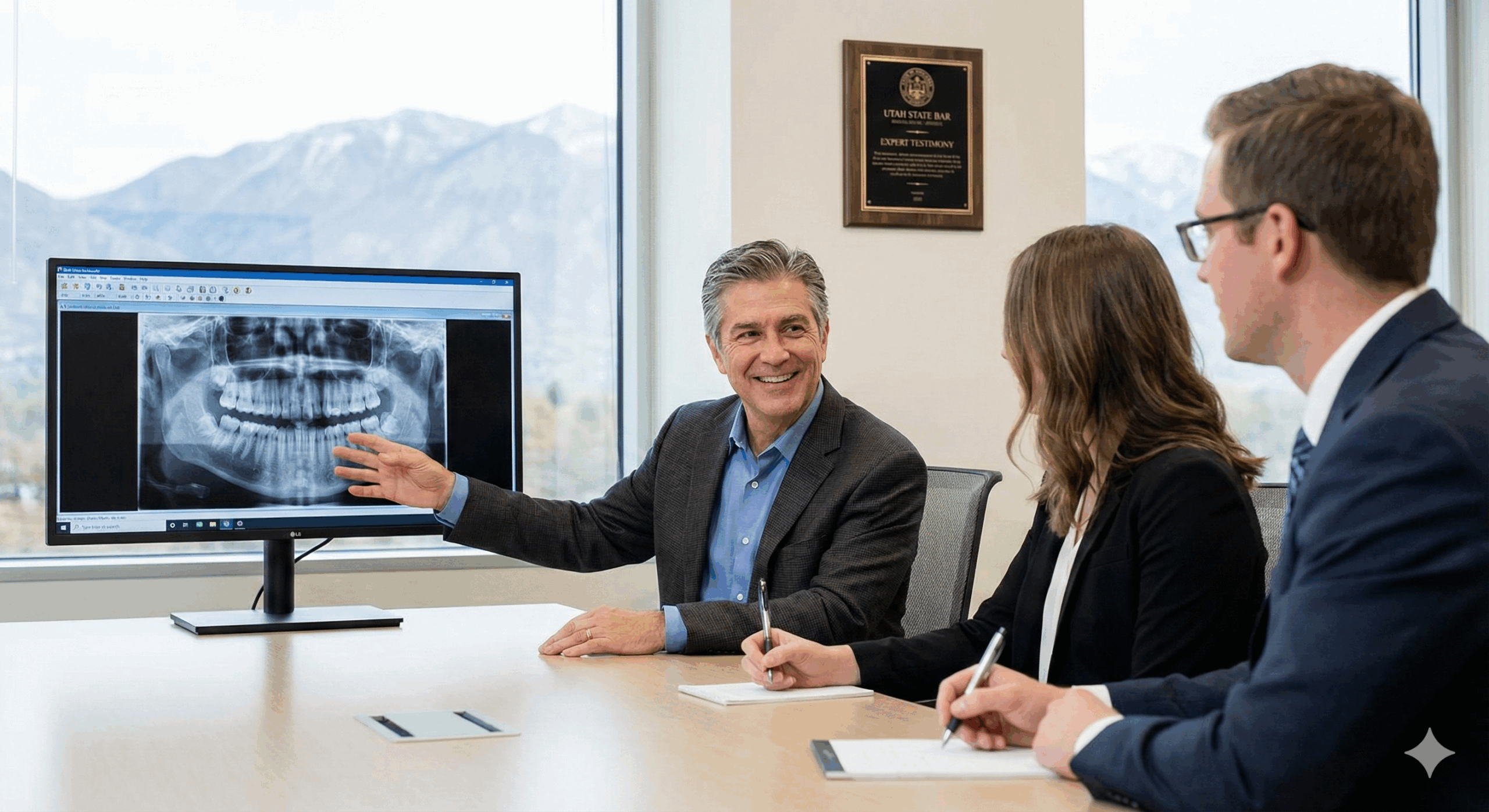
In a medical malpractice claim, a judge and jury usually need help understanding what competent medical care should have looked like in a real-world situation. Expert witnesses provide that explanation. They translate medical standards into plain language and connect the medical record to the legal issues in the case.
In many claims, expert testimony is used to address two core points: standard of care and causation. If you want to start with the foundation, see how to prove medical malpractice in Utah and understanding the standard of care in Utah medical claims.
Experts do not guarantee an outcome. But strong, credible expert support can clarify what happened, narrow disputes, and make it harder for an insurer or defense team to dismiss the case early.
The short video below gives a quick, practical explanation of why expert testimony matters in medical malpractice, especially when the key issue is what a reasonable provider would have done.
Watch: The Expert Witness Role in Malpractice Cases
Key Definitions and Utah Rules That Shape Expert Testimony
Expert witnesses show up in malpractice cases because most people do not work in a hospital, clinic, or surgical setting. Utah courts generally expect reliable expert analysis when a claim depends on specialized medical knowledge.
Expert witness: A qualified professional who can give opinion testimony based on specialized knowledge, training, and experience.
Standard of care: What a reasonably careful provider with similar training would do under similar circumstances. In malpractice claims, this is often the centerpiece of expert testimony.
Breach: A failure to meet the standard of care. This is usually what the plaintiff’s expert is asked to explain, with specific references to the medical record.
Causation: The link between an alleged mistake and the injury. Many cases turn on whether the outcome would have happened anyway, even with proper care.
Pre-lawsuit process: Utah medical malpractice claims often involve required steps before a lawsuit proceeds. A helpful starting point is what a medical review panel is in Utah.
Expert testimony is not just about credentials. It is also about whether the opinion is grounded in the facts of the case, the records, and medical reasoning that makes sense to a judge and jury.
| Where experts matter | What the expert is usually asked to prove or explain |
|---|---|
| Standard of care | What a competent provider should have done in the same situation, based on training, practice norms, and the record. |
| Breach analysis | How the care differed from accepted practice, with specific references to timing, monitoring, testing, medication, or procedure choices. |
| Causation | Whether the breach likely caused the injury, worsened the outcome, or reduced the chance of recovery. |
| Damages support | How the injury impacts daily life, future treatment needs, and long-term limitations. (Other experts may address economics.) |
| Rebuttal and defense theories | Responding to alternative explanations, pre-existing conditions, or arguments that the outcome was unavoidable. |
If the negligence question involves a facility versus an individual provider, it can help to review hospital negligence vs doctor negligence in Utah so you understand how liability theories can differ.
How Expert Testimony Fits Into a Typical Utah Malpractice Timeline
Every case is different, but expert work tends to follow a predictable pattern: records first, opinions second, formal disclosures later. The goal is to build a clear medical story that lines up with Utah’s procedural steps and deadlines.
Collect complete medical records
Experts need the full chart: notes, orders, labs, imaging, medication administration, consults, and discharge records. Missing pages can change an opinion.
Initial expert screening and theory building
Early review helps answer basic questions: Was care below the standard, and if so, what specific actions or delays mattered?
Pre-lawsuit steps and panel process
Utah malpractice claims often involve required prelitigation steps. Expert input can shape what issues are presented and how the case is framed.
Formal expert disclosures, depositions, and trial prep
Once litigation is underway, experts may be deposed and asked to explain their opinions in detail. Clear, consistent reasoning matters.
The video below goes deeper on how experts can identify negligence, connect mistakes to harm, and explain complex issues in a way that supports a legal claim.
Watch: How Experts Help Prove Negligence in Malpractice Lawsuits
Records, Filings, and Supporting Proof Experts Commonly Rely On
Expert opinions are only as strong as the facts they are built on. In Utah malpractice claims, the medical record is usually the backbone of the case, and expert analysis ties that record to the legal requirements.
Complete chart and timeline: Admission notes, nursing notes, orders, MAR logs, vitals, labs, imaging, consults, and follow-up care.
Key events documentation: When symptoms began, when the patient was evaluated, and when treatment changed. Timing is often the story.
Procedure and operative records: If surgery is involved, operative reports and anesthesia records often matter.
Damages and prognosis records: Rehab notes, follow-up visits, and ongoing care plans can support how the injury affects daily life and future needs.
Deadline planning: Timing can shape what expert work is possible. For a practical overview, see Utah’s malpractice statute of limitations explained.
The reel below highlights a practical reality: expert review often helps separate malpractice from a bad outcome that may have been unavoidable. That distinction matters in Utah claims.
Common Mistakes When Using Expert Witnesses
Expert testimony can strengthen a claim, but it can also create problems if it is rushed, inconsistent, or disconnected from the medical record. Below are common issues that can weaken a Utah malpractice case.
Using the wrong specialty: The expert should match the medical issue and setting. A mismatch can hurt credibility.
Relying on incomplete records: If the expert does not have the full chart, the opinion may change later or be challenged.
Overstating the claim: A strong case is specific. Broad, absolute statements can fall apart under cross-examination.
Ignoring causation: Proving a mistake is not enough. The case still needs a clear medical link between the mistake and the harm.
Waiting too long: The longer you wait, the harder it can be to gather complete records and build a clean timeline for review.
This reel highlights a real-world point: when a case is long and difficult, a credible expert can keep the claim alive by explaining what the record actually shows, not just what people assume happened.
Why Expert Credibility Can Change Settlement and Trial Outcomes
In malpractice cases, credibility is leverage. A well-qualified expert who explains the record clearly can raise the risk for the defense. That can affect how a claim is valued and whether a case settles.
Credibility is not only about a resume. Courts and juries tend to respond to experts who can explain medical issues in a way that is consistent, careful, and tied to the actual facts. That is also why the defense will often retain its own experts, creating a battle of explanations.
The reel below focuses on expert selection. Choosing a credible expert with the right background can help build a reliable foundation for the claim.
Once experts clarify liability and causation, damages often become the next focus. If you need a plain-English overview, see calculating damages in Utah medical malpractice cases.
How Utah Appellate Decisions Can Highlight Expert Evidence Issues
Appellate decisions in malpractice cases often turn on proof and procedure. Expert testimony can be central when a court evaluates whether a claim had enough reliable evidence to move forward.
The video below covers a Utah Supreme Court malpractice decision and can help illustrate why expert evidence and expert-related procedure matter in Utah malpractice litigation.
Watch: Utah Supreme Court Malpractice Decision and Expert Evidence
Explore Related Utah Medical Malpractice Resources
Expert testimony usually overlaps with the same core malpractice issues: proving negligence, defining the standard of care, meeting Utah process steps, tracking deadlines, and documenting damages. These links are all from your published set.
Next Steps If You Believe Expert Review Could Support Your Claim
If you are trying to understand whether malpractice occurred, the practical goal is to gather the right records, build a clean timeline, and get a qualified expert to review the care. Doing this early can help you avoid missed details and deadline issues.
Request complete records: Ask for the full chart from every facility involved, not just discharge papers or summaries.
Write a simple timeline: Dates, symptoms, visits, tests, calls, and when treatment decisions changed.
Identify the medical focus: Diagnosis delay, surgical complication, medication error, monitoring failure, or discharge planning issues.
Act early on deadlines: Utah malpractice claims can involve strict timing and required pre-lawsuit steps.
Talk to Gibb Law About Expert Witness Issues in a Utah Malpractice Case
Gibb Law is a Utah-based law firm focused on clear, practical guidance for people dealing with complex legal problems. If you believe medical negligence may be involved, we can help you understand what expert testimony typically needs to cover and how the Utah malpractice process may apply to your situation.
Schedule a Consultation