Comparative negligence is one of the most important concepts in Utah injury claims, including slip and fall cases. It affects how insurance companies evaluate a claim, how settlement negotiations work, and what happens if a case is filed in court.
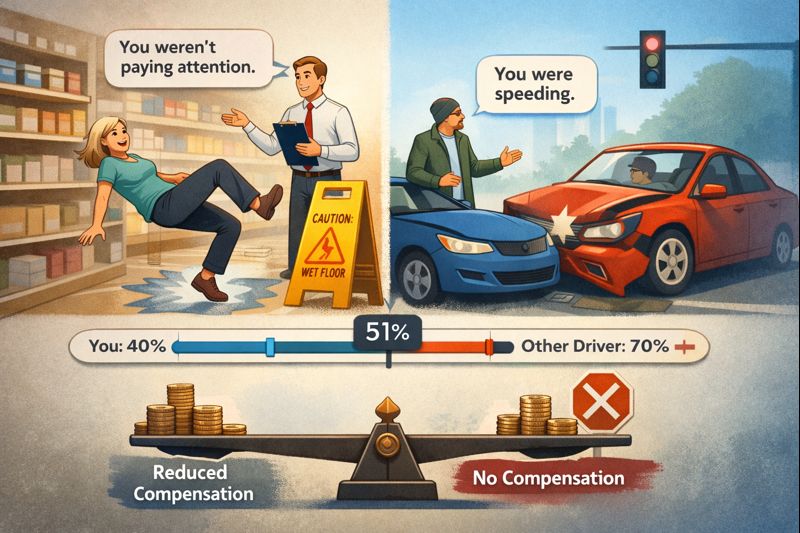
In plain English, comparative negligence means more than one person can share responsibility for an accident. If you are found partly at fault, your compensation may be reduced by your percentage of fault. In some cases, being too responsible can block recovery altogether.
For related Utah injury resources on the firm site, you may also want to read how fault is determined in Utah car crashes, what to do after a car accident in Utah, and understanding Utah’s no-fault insurance rules. While these focus on auto claims, the same comparative fault framework often shows up across injury cases.
Note: This article is educational information, not legal advice. Fault assessments can be complex, and small details can change the outcome.
How Comparative Negligence Works in Utah Injury Claims
Utah uses a comparative negligence system that allows fault to be shared. In practice, this usually means your compensation can be reduced, and in some cases you may not recover anything at all if your share of fault crosses Utah’s legal threshold.
Your damages can be reduced: If you are 10% at fault, a $100,000 total damage figure can be reduced to $90,000.
You can be barred from recovery: Utah’s rule is commonly described as modified comparative negligence. If your fault is not less than the combined fault of the person or people you are claiming against, you may not recover.
Insurance companies use this rule early. It is common for an adjuster to assign a fault percentage within the first week, sometimes before all evidence is collected. That early percentage can shape the entire negotiation, so it helps to understand what they are doing and why.
The video below gives a clear, general explanation of what comparative negligence means and how damages are reduced based on a percentage of fault.
Watch: What Comparative Negligence Means
In a slip and fall case, comparative negligence arguments often sound like this: “You should have seen the spill,” “You were wearing the wrong shoes,” or “You ignored warning signs.” In an auto case, it might be speed, distraction, or lane position. Either way, the goal is the same. Reduce the payout by increasing your percentage of fault.
The short reel below reinforces a key point many people miss. Being partly at fault does not automatically end a Utah injury claim, but it can affect value and strategy.
One practical takeaway is that fault percentages are often negotiable. What looks like “30% your fault” at the beginning can change if better documentation exists, if witness statements clarify what happened, or if the other side’s story has gaps.
Key Definitions and Utah Statutes
Comparative negligence shows up in both insurance negotiations and in court. Insurers use it to justify reducing offers. Courts use it to allocate responsibility and adjust damages in a verdict.
Fault: A percentage of responsibility assigned to a person or entity based on what they did or did not do.
Comparative negligence: A legal framework that reduces damages based on the injured person’s share of fault, and can bar recovery when the injured person’s fault is too high.
Utah’s comparative negligence statute: Utah’s comparative negligence framework is addressed in Utah Code Section 78B-5-818.
This statute matters because it controls the math. If your fault percentage is low, you may still recover most of your damages. If your fault percentage climbs, the value drops fast. If the percentage becomes too high under Utah’s rule, recovery may be blocked.
Typical Claim Steps and Where Comparative Negligence Comes Up
Most Utah injury claims begin as insurance claims. Comparative negligence usually appears early. A structured process helps you avoid getting boxed into a fault narrative you did not create.
Step 1: Incident reporting and early statements
In a slip and fall, this may be a report to a manager. In an auto case, it may be a police report. Early wording can affect the initial fault percentage.
Step 2: Evidence collection
Photos, video, witnesses, and scene conditions are used to argue whether your actions contributed to the accident.
Step 3: Medical documentation
Treatment records support causation and reduce arguments that symptoms came from something else.
Step 4: Negotiation and fault bargaining
Many settlement discussions are debates about fault percentages and how they change the value of the claim.
Step 5: Litigation and formal fault allocation
If a case is filed, fault is argued using evidence and testimony. A judge or jury may assign percentages that directly change damages.
Comparative negligence is also where many cases stall. If the insurer insists you are mostly at fault, negotiations can break down. That is often the moment when stronger evidence collection, deeper investigation, or legal strategy becomes important.
The video below explains how fault can be divided between parties and how that division changes what someone can recover in a personal injury case.
Watch: How Comparative Fault Is Divided
Here is the practical part. Even small percentage shifts matter. Moving from 30% at fault to 20% at fault can increase recovery by 10% of the full damage value. That is why evidence that clarifies visibility, warnings, timing, and scene conditions can be a big deal in slip and fall claims.
The reel below shows the real-world effect of fault percentages in an everyday injury claim context.
Records and Paperwork That Help in Comparative Negligence Disputes
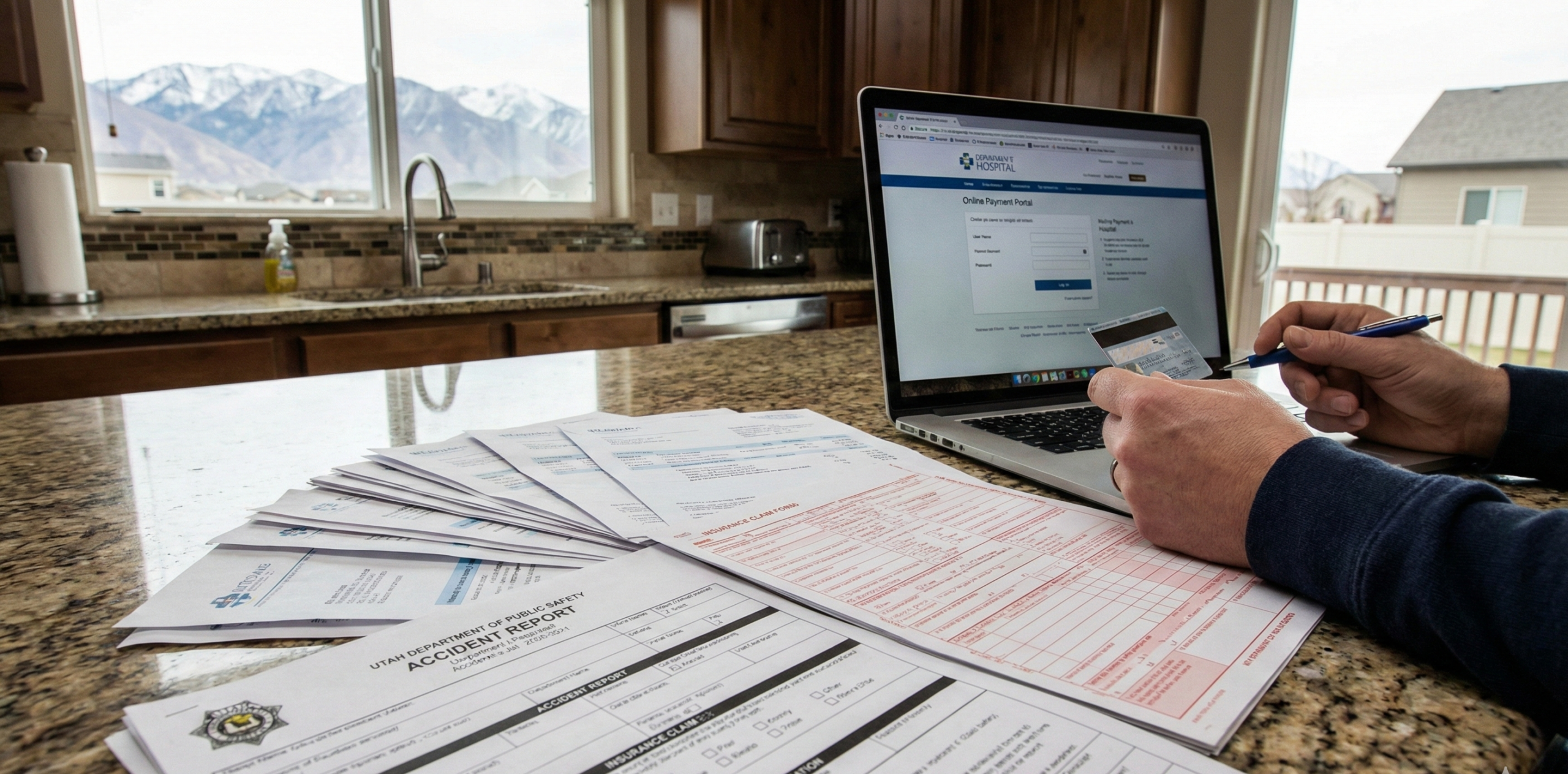
Comparative negligence is often decided by documentation. Your goal is to preserve what happened and show why the other side’s fault arguments do not fit the facts.
Incident reports: In slip and fall cases, this may be a store or property incident report. In auto cases, it may be the crash report.
Photos and video: Capture the hazard, warning signs, lighting, flooring condition, and the surrounding area.
Witness contact details: Neutral witnesses can help when the other side disputes the hazard or claims you were careless.
Medical records and a symptom log: Supports injury causation and shows how the injury affected daily life.
| Common comparative negligence argument | Evidence that can help respond |
|---|---|
| You should have seen the hazard | Photos of lighting, visibility, obstructions, floor patterns, or how the hazard blended into the environment. |
| You ignored warnings | Photos of sign placement, whether warnings were clear, and witness statements about what was visible. |
| Your injuries are not from this incident | Prompt medical evaluation, consistent symptoms, and treatment notes tied to the timeline. |
| You were careless or distracted | Video, witnesses, and scene documentation showing normal use of the area and unexpected conditions. |
If you are dealing with a vehicle-related injury claim as well, these internal resources may help explain how insurers evaluate fault and coverage in Utah: understanding Utah’s no-fault insurance rules and what to do after a car accident in Utah.
Common Mistakes to Avoid
Most comparative negligence issues grow from early assumptions, missing evidence, or inconsistent descriptions. These mistakes are avoidable with a calm, organized approach.
Guessing about fault: Avoid statements like “It was my fault” before you know all the facts.
Not documenting conditions: Hazards can be cleaned or repaired quickly. Photos and witness names matter.
Waiting too long for medical care: Delays can create causation disputes and reduce settlement value.
Inconsistent timelines: Small differences between reports and statements can be used to assign you more fault.
Accepting the insurer’s percentage without challenge: Ask what evidence supports the number and whether it can be revisited.
The reel below explains comparative negligence in injury claims and why having representation can matter when fault allocation becomes the main dispute.
Next Steps if Comparative Negligence Is Being Used Against You
If an insurer is pushing fault onto you, the goal is to slow down and get organized. Many people feel pressure to resolve it quickly. In comparative negligence claims, that pressure can cost real money.
Write a simple incident timeline
Document what you were doing, what you saw, and what happened next while details are fresh.
Preserve evidence immediately
Save photos, videos, receipts, and witness names. If video may exist, act quickly.
Be careful with recorded statements
If you are unsure how to respond, it may be better to get guidance before giving a recorded statement.
Ask for the basis of the percentage
If the insurer assigns you a fault percentage, ask what evidence supports it and whether it can be revisited.
It also helps to understand the logic behind fault allocation. Insurers often start with a general assumption and then look for evidence that supports it. Your job is to bring in evidence that corrects the assumption and matches what actually happened.
The video below explains what “comparative fault” means and why the percentage matters so much in injury claims.
Watch: Comparative Fault and What You Can Recover
For additional context on how Utah evaluates fault in a more familiar setting, see how fault is determined in Utah car crashes.
Talk to Gibb Law About Comparative Negligence in a Utah Injury Claim
Gibb Law is a Utah-based firm focused on clear, practical guidance for clients facing real-world legal problems. If comparative negligence is reducing your settlement offer or being used to deny your claim, we can help you understand the rules, evaluate the evidence, and determine what next steps may fit your situation.
Schedule a Consultation