How Attorneys Can Help Before, During, and After Utah Divorce Mediation
The mediator in your Utah divorce case is neutral by design — they don’t represent you, and they can’t tell you whether a proposed term is actually a good deal. That’s the gap an attorney fills, and it doesn’t require full-blown representation to close it. Here’s what that help actually looks like at each stage.
Do I need a lawyer to go to mediation?
No — mediation itself doesn’t require one. But a mediator can’t advise either side, so many people bring an attorney or get one to review terms before signing.
Can my attorney be in the room during mediation?
Yes. A mediator can’t deny either party the right to have counsel present, and having one there lets you get real-time input before you agree to anything.
Can I just have an attorney review the final agreement?
Yes — Utah ethics rules specifically allow a lawyer to review and advise on a mediated agreement for one party, even as a standalone, limited engagement.
What would Dustin actually do at each stage?
Before: pressure-test your numbers against what a judge would likely order. During: flag language that sounds fine but isn’t. After: make sure the signed terms say what you think they say before they become the decree.
Utah’s mediator is required to stay neutral — they’re not your advocate, and they’re not the other side’s either. That neutrality is what makes mediation work, but it also means neither party has someone in the room whose job is specifically to protect their interests, unless they bring one. An attorney’s role isn’t to replace mediation or make it adversarial. It’s to make sure what you agree to actually holds up once it’s in writing.
Case evaluation
A realistic sense of what a judge would likely order, so your negotiating position starts from facts instead of hope.
Real-time counsel
Someone in the room, or reachable, who can flag a problem with a proposed term before you agree to it out loud.
Agreement review
A careful read of the signed terms before they become your decree — catching gaps that read fine but cause problems later.
Before mediation: knowing what a judge would actually do
The biggest value an attorney adds before mediation day is a reality check. Mediation works best when both sides are negotiating around a realistic range, not an aspirational one — and knowing where Utah law would likely land a judge on custody, support, or property division gives you a genuine floor and ceiling to work with. That’s different from the practical, decision-by-decision prep covered in how to keep mediation focused on practical decisions — this is about the legal substance behind your position, not the logistics of the day itself.
During mediation: someone who isn’t neutral
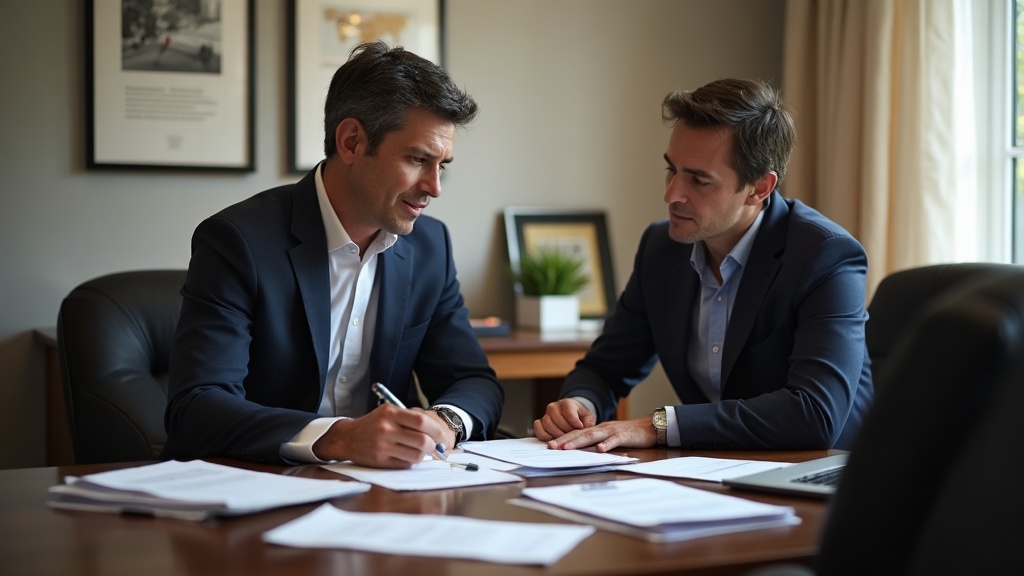
A mediator can’t deny either party the right to have counsel present, so bringing an attorney into the room — or keeping one reachable during breaks — is a real option, not a departure from the process. The value here isn’t confrontation. It’s having someone who can say, quietly, “that support figure doesn’t match your actual pay stubs” or “that custody term doesn’t say what you think it says” before you agree to it in the moment. Mediation moves fast, and proposals can sound reasonable in the room in a way they don’t look on paper an hour later.
What this isn’t
Attorney involvement in mediation isn’t about turning a settlement conversation into a fight, and it isn’t about running up litigation costs on a case that’s actually headed toward agreement. Most of the value is quiet: a second set of eyes on the numbers, a gut-check on language, and someone who can say “let’s think about that before you agree” without derailing the room.
After mediation: the review that matters most
This is where Utah’s rules are the most explicit. The Utah State Bar has confirmed that an attorney may review a mediated divorce agreement for one party and advise them on the options and advisability of what’s been drafted — even as a stand-alone engagement, without having represented that person through the whole case. Utah State Bar Ethics Advisory Op. 02-10. That review matters because courts rarely set aside a signed mediation agreement once it’s submitted. Vague parent-time language, a missing tax-exemption assignment, or a support figure that doesn’t match the actual guideline calculation are the kinds of things that read fine in the room and cause real problems a year later. If support numbers are part of what’s being reviewed, it helps to know how Utah actually calculates child support so the review has something concrete to check the figure against.
You don’t need full representation to get this
Utah allows limited scope, or “unbundled,” legal representation — meaning you can hire an attorney for a specific piece of the process, like a pre-mediation strategy session or a post-mediation document review, without paying for full representation through the entire case. It’s a genuinely cost-conscious way to get a lawyer’s eyes on the parts of the process where a mistake is hardest to undo, while still handling the rest yourself.
Mistakes that happen when this step gets skipped
- Signing before anyone who represents only you has read it. The mediator drafted or facilitated the language, but they don’t work for either side individually — that review is on you to arrange.
- Assuming “we agreed on the concept” means the language is right. A parenting schedule that sounds settled in conversation can still be ambiguous enough on paper to cause disputes later.
- Treating attorney review as an all-or-nothing cost. A limited-scope review of just the final agreement is usually far cheaper than litigating a dispute over what the agreement actually meant.
- Waiting until after the decree is entered to ask questions. Once it’s filed, changing course generally means a modification case — a much higher bar than catching the issue before signing.
Questions to answer before you decide how much help to bring in
- Do you have a realistic sense of what a judge would likely order on the issues in dispute?
- Is your case complex enough — a business, significant property, a contested custody issue — that having counsel present during the session makes sense?
- Have you budgeted for at least a review of the final agreement before you sign it?
- Does the language in the draft actually match what you believe you agreed to, term by term?
- If support numbers are part of the deal, do they match an actual guideline calculation?
Utah law behind this article
- Utah Code § 81-4-403 — Utah’s mandatory divorce mediation program
- Utah State Bar Ethics Advisory Op. 02-10 — an attorney may review and advise on a mediated agreement for one party
- Utah Courts: Finding Legal Help — limited scope and unbundled representation options
Ethics rules governing limited scope representation are set by the Utah State Bar and can be updated; confirm current guidance before relying on a specific detail.
FAQ
Does having a lawyer make mediation more adversarial?
Not usually. Most attorney involvement in mediation is quiet — a check on numbers and language — rather than a shift toward conflict.
Can one attorney represent both spouses in mediation?
No. An attorney can only advise one party. The mediator is the neutral party; each spouse’s own review needs its own lawyer if they want one.
Is a review-only engagement really enough?
For many straightforward agreements, yes. For anything involving a business, significant property, or a contested custody issue, earlier involvement usually pays for itself.
What if I already signed and now have questions?
Get it reviewed as soon as possible. Courts are reluctant to unwind a signed agreement, so the sooner a concern is raised, the more options there usually are.
When should I call Gibb Law about mediation?
Before the session if your case is complex, or immediately after if you have a draft agreement and want a second set of eyes before it’s filed.
Tell me what happened
If you have questions, let’s talk it through. Free call: (801) 725-6035. We can sit down, look at the documents, talk through what happens next, and decide the next step without pressure.
Free call: (801) 725-6035