In a Utah slip and fall claim, evidence is often the difference between a clear story and a disputed one. The main questions are usually: what caused the fall, could the hazard have been prevented, and what harm did it cause? The earlier you document the scene and your injuries, the easier it is to answer those questions with reliable proof.
Good evidence usually covers three areas: the hazard (what made the area unsafe), notice (whether the property owner knew or should have known), and damages (the injuries and costs tied to the fall). Evidence also matters because fault is often debated in premises cases, and unclear details can weaken a claim.
If you want a visual reference image to place near the top of this article, you can use: Slip and fall evidence image reference.
Note: This article is educational information, not legal advice. Evidence rules and deadlines can depend on where the fall happened, who owns the property, and the specific facts involved.
Overview of Evidence Collection After a Slip and Fall
Evidence collection starts immediately, even if you are not sure yet whether you will file a claim. Hazards may be repaired, spills may be cleaned, warning signs may be moved, and security video may be overwritten as part of normal business operations. Early documentation helps preserve the scene as it existed at the time of the fall.
Many cases begin as insurance claims. If the claim is denied or disputed, it can move into litigation where evidence must meet court rules for relevance and authenticity. Staying organized from the beginning makes it easier to explain what happened later.
Scene evidence: Photos, video, measurements, and notes that capture the hazard, lighting, warnings, and surface conditions.
Notice evidence: Proof of prior complaints, maintenance problems, inspection gaps, or how long the hazard existed.
Injury evidence: Medical records, diagnosis notes, treatment timeline, and photos of visible injuries.
Loss evidence: Receipts, time missed from work, and out-of-pocket costs tied to the injury.
The video below explains what evidence to gather after a slip and fall, including photos, videos, and witness statements. Use it as a quick checklist for the first day or two after an incident.
Watch: Evidence to Gather After a Slip and Fall
When a claim moves into an insurance process, communication and documentation become especially important. This related guide can help you understand what to expect when dealing with carriers: dealing with insurance adjusters in Utah.
Key Definitions and Utah Law Basics
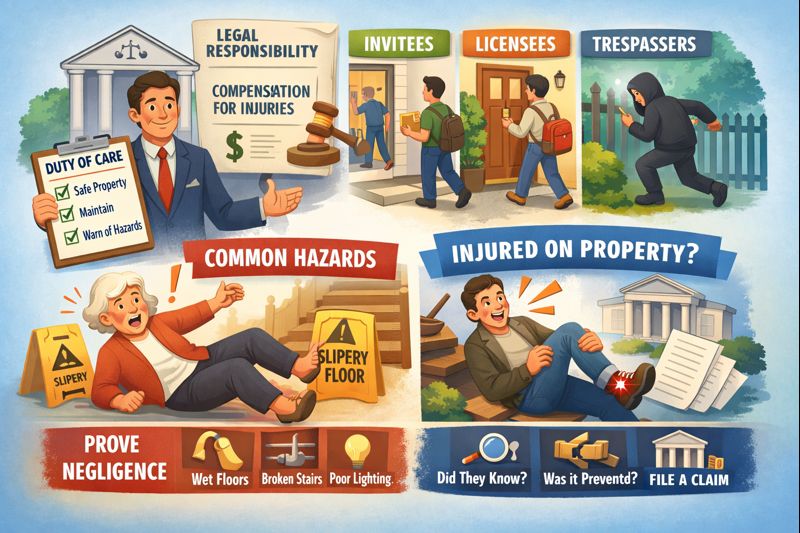
Slip and fall cases are usually a type of premises liability claim. The evidence you collect should connect to the legal questions that typically matter: whether a condition was unreasonably dangerous, whether the property owner had notice (or should have), and whether the hazard caused the injuries claimed.
Hazard: A dangerous condition such as ice, a spill, uneven flooring, loose carpeting, broken steps, or poor lighting.
Notice: Evidence that the owner knew about the hazard, or that the hazard existed long enough that reasonable inspections would have found it.
Comparative fault: Fault is often argued in injury cases. Clear photos, video, and witness information can reduce speculation about what happened.
Deadlines: Time limits can apply to filing a lawsuit. Additional notice requirements may apply if a government entity is involved.
The Instagram reel below highlights scene-focused steps that can strengthen evidence collection, including documenting lighting, signage, and witness information.
Typical Claim Steps and What to Document
Evidence collection works best when you treat it like a timeline. Start with the first hour, then the first day, then the first week. Your goal is to preserve what cannot be recreated later.
Step 1: Get medical care and create a record
Prioritize safety. Medical records help connect the fall to the injury and establish a treatment timeline.
Step 2: Photograph and video the scene
Capture wide shots and close-ups. Include the hazard, surrounding area, lighting, signage, and any visible warnings.
Step 3: Report the incident and ask for documentation
If the property has staff, ask that the incident be documented. Write down who you spoke with and when.
Step 4: Collect witness information
Get names and contact details. If a witness is willing, ask for a short written summary of what they saw.
Step 5: Preserve items and records
Keep shoes and clothing in the same condition. Save receipts, messages, and a short personal timeline while details are fresh.
| Type of evidence | What it can help show |
|---|---|
| Photos and video of the hazard | What caused the fall, how obvious the hazard was, and whether warnings or barriers were present. |
| Surveillance or camera footage | The mechanics of the fall, timing, and sometimes how long the hazard existed beforehand. |
| Incident report and staff notes | Contemporaneous reporting, who was notified, and whether the hazard was addressed afterward. |
| Witness statements | Independent confirmation of the hazard and what happened right before and after the fall. |
| Medical records and injury photos | That an injury occurred, how serious it was, and how treatment progressed over time. |
The video below covers how to collect evidence after a slip and fall injury, with tips for documenting the scene and preserving details that may matter in a claim.
Watch: How to Document the Scene After a Slip and Fall
Incident documentation often becomes important in other injury contexts too. If you are comparing what records typically matter, this guide is a helpful reference point: filing a police report after an accident in Utah.
Common Records to Gather for an Insurance Claim
Slip and fall cases do not always start with one standardized form, but there are a few records that commonly matter in Utah claims. The key is to request them early and keep copies in one place.
Incident report details: Ask whether a report was created. Confirm the date, time, and the name of the staff member who took it.
Medical and billing records: Keep visit summaries, prescriptions, physical therapy notes, work restrictions, and invoices.
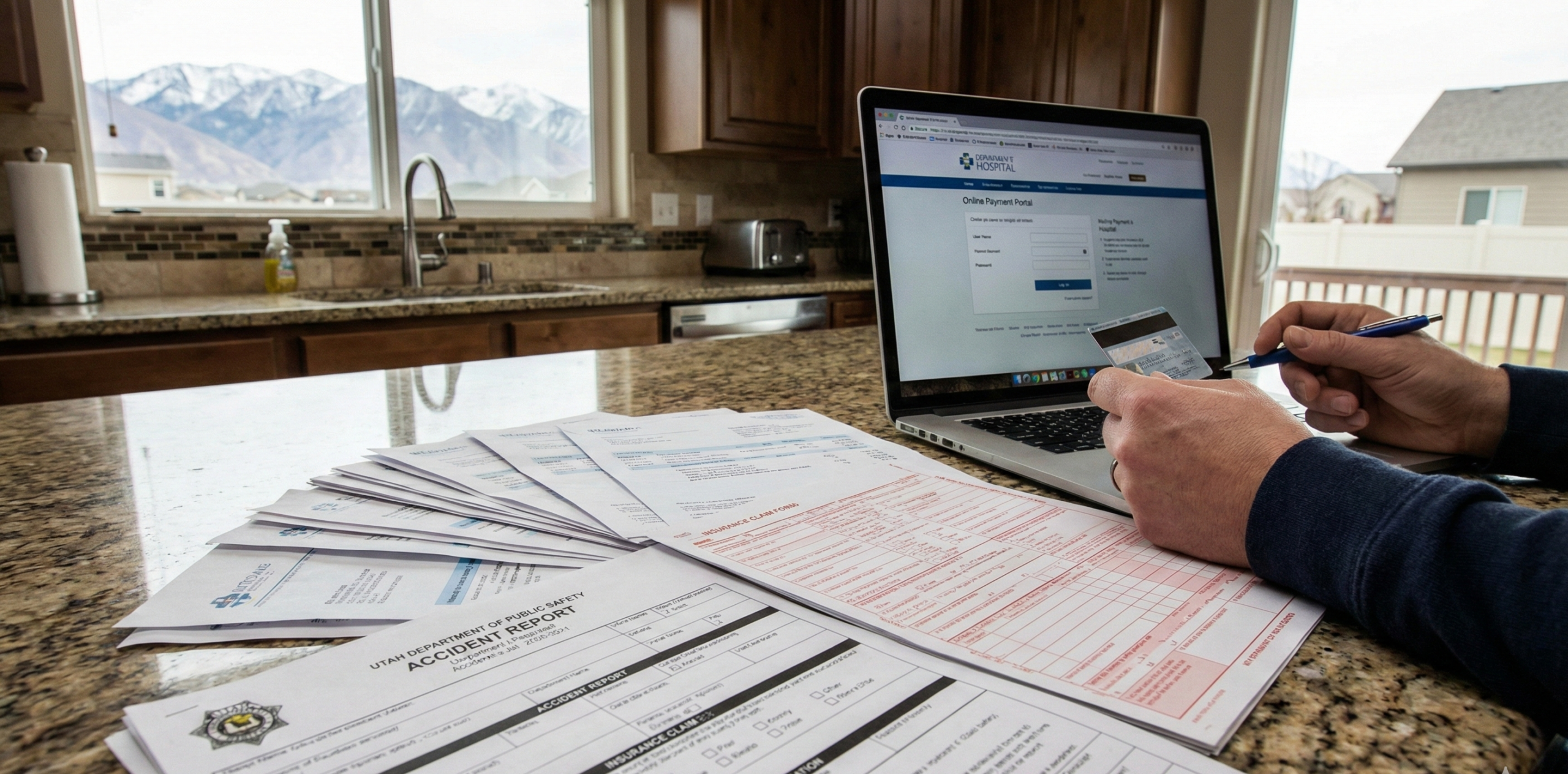
Insurance communications: Save claim numbers, adjuster names, letters, emails, and notes from phone calls.
Proof of lost income: Pay stubs, employer confirmation of missed time, and records showing reduced hours or job impacts.
Timeline documentation: A short written timeline, created early, can help you stay consistent if the claim takes months to resolve.
The Instagram reel below reinforces a few high-impact basics: take photos of the scene and cause, seek medical attention, and record injuries early so the claim is supported by a clear timeline.
Claims often become more complicated as time passes. If you want a general sense of how claim timelines can unfold once insurance is involved, see Utah car accident claim timelines explained as a timeline reference.
Common Mistakes to Avoid
Many slip and fall claims become difficult because key details are missing, not because an injury was not real. These are common evidence problems that can often be prevented with simple habits.
Not photographing the hazard right away: Spills get cleaned. Ice melts. Mats move. Early photos preserve what existed.
Leaving without identifying witnesses: A neutral witness can help confirm the hazard and how the fall occurred.
Failing to report the incident: If there is no report, it can become easier for the other side to dispute timing and details.
Waiting too long to request video footage: Many systems overwrite footage on a schedule. A quick request can matter.
Guessing about details later: Write down a short timeline early, including what you saw, what you felt, and who helped you.
The video below is a practical reminder to take clear photos or video of the hazard, including angles that show how the condition would appear to a typical person walking through the area.
Watch: How to Capture Clear Photos and Video of the Hazard
The Instagram post below highlights why proof matters in disputed cases, especially when the other side questions how the incident happened or what caused the injury.
For another set of common post-incident pitfalls (and how to avoid them), see common mistakes after a Utah auto accident.
Explore Related Utah Legal Guides
If you want more Utah-specific guidance on what people commonly do after an injury, how insurance processes work, and how timelines can play out, these resources are a good next step.
Next Steps: A Practical Evidence Checklist
If you are trying to stay organized, use this short checklist. You do not need a perfect file to start. You just need a consistent place to keep key records as they come in.
Save your best scene photos: Wide shot, close-up, and a short video walkthrough if it is safe to do so.
Write a short timeline: What happened, what caused the fall, who helped, and what was said by staff or witnesses.
Keep medical documents together: Visit summaries, treatment plan notes, work restrictions, and invoices.
Track insurance details: Claim number, adjuster name, dates of calls, and copies of letters and emails.
Preserve physical items: Shoes and clothing in the same condition, plus any damaged personal items tied to the fall.
Talk to Gibb Law Firm About Your Slip and Fall Evidence and Next Steps
Gibb Law Firm is a Utah-based law firm focused on clear, practical guidance for people facing real legal problems. If you were hurt in a slip and fall and you want help protecting evidence and evaluating your options, our team can help you understand the process and build a clear plan forward.
Schedule a Consultation