Enforcing Temporary Orders in Utah Family Court
If the other parent or spouse is ignoring temporary orders, do not guess your way through it. Start by documenting the violation, reading the order carefully, and deciding whether the next step is a calm written reminder, a motion, or an order to show cause.
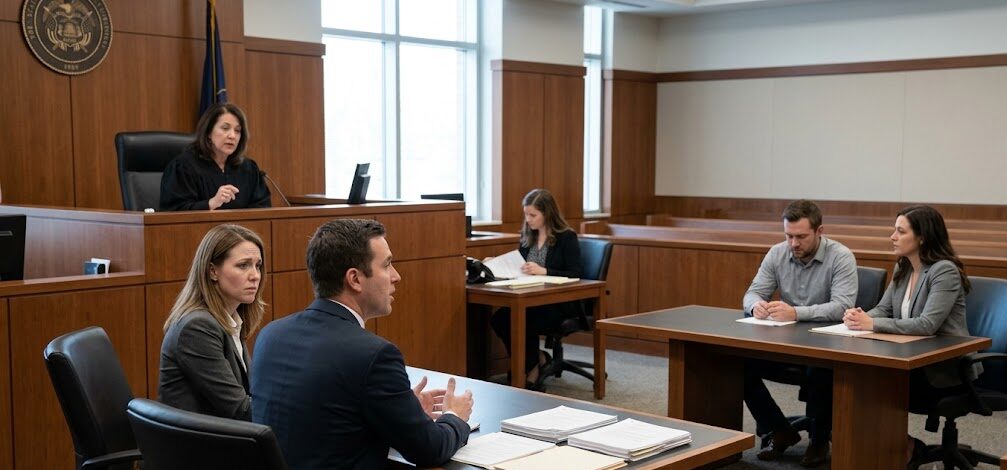
If someone is violating temporary orders in Utah family court, the first step is to slow down, read the exact order, and document the violation. Temporary orders are still court orders. If the other side is missing parent-time exchanges, refusing to pay temporary support, ignoring bill-payment terms, keeping property they were ordered to return, or violating communication rules, you may be able to ask the court to enforce the order through a motion, an order to show cause, or contempt-related relief.
Here is the part I would want you to understand right away: do not respond by violating the order yourself. If the other parent withholds parent-time, that does not usually give you permission to withhold support. If the other side misses a payment, that does not usually let you ignore exchange times. In Davis County and throughout Utah, the safer path is step-by-step: document it, stay as compliant as you can, and use the court process when the violation needs more than a conversation.
This article is for educational purposes only and is not legal advice. Enforcement options, filing requirements, remedies, and contempt procedure depend on the exact temporary order, the evidence, the type of violation, the court, and the facts of the case.
What Enforcing Temporary Orders Means in Utah Family Court
Enforcing temporary orders in Utah family court means asking the court to make the other party follow the short-term rules already entered while the divorce, custody, parentage, or support case is pending. Temporary orders may cover custody, parent-time, child support, temporary alimony, bill payment, use of the home, use of a vehicle, insurance, communication, property access, or other urgent family-law issues.
The word “temporary” can be misleading. Temporary does not mean optional. It means the order is meant to govern the case for a limited period of time, usually until the court enters a final order or the parties reach a final agreement. While it is in effect, the order matters. If the other side is not following it, the court may have tools to enforce it.
At the same time, not every violation should be handled the same way. Some problems can be corrected with a clear written reminder. Some require a motion. Some may require an order to show cause or contempt-related relief. The right step depends on the seriousness of the violation, whether it is repeated, how much harm it is causing, and what proof you have.
If you are not sure whether what happened is enforceable, sit down with me and talk it through. Bring the temporary order, the messages, the payment records, and the calendar. We can usually sort out the next step faster when we look at the order and the facts together.
What I Would Do First If a Temporary Order Is Violated
When a client tells me the other side is ignoring a temporary order, I usually do not start with court paperwork. I start with the order itself. What does it actually say? Is the obligation clear? Is there a deadline? Is there a payment amount? Is there an exchange location? Does the order say how notice must be given? Those details matter.
Here’s what I’d do, step-by-step.
Read the Exact Temporary Order
Do not rely on memory. Read the signed order word for word. The court enforces what the order says, not what either side remembers from the hearing.
Write Down What Happened
Use dates, times, places, amounts, missed exchanges, unpaid bills, screenshots, or payment records. A clean timeline helps more than a long emotional summary.
Preserve Messages and Records
Save texts, emails, parenting-app messages, bank records, receipts, invoices, school notices, and any other records tied directly to the violation.
Stay Compliant Yourself
Do not let the other side’s violation pull you into violating the order too. If you need relief, use the correct process instead of creating a second problem.
Decide Whether the Court Needs to Be Involved
If the violation is serious, repeated, financially harmful, or affecting the child, court enforcement may be necessary. If it was a one-time misunderstanding, a documented written correction may be enough.
Before you accuse the other side of contempt, make sure you can show three things: there was a clear order, the other person knew about it, and they failed to follow it. The cleaner that proof is, the stronger the enforcement request usually becomes.
Common Temporary Order Violations in Utah Family Cases
Temporary-order violations usually fall into a few categories. Some involve children. Some involve money. Some involve property. Some involve communication or conduct. What matters is not just that you are frustrated. What matters is whether the order was clear and whether the other side failed to follow it.
| Violation | What It May Look Like | Evidence That May Help |
|---|---|---|
| Missed parent-time exchanges | The other parent refuses exchanges, changes times without agreement, or does not make the child available. | Parenting calendar, messages, exchange logs, school records, location details, and prior written reminders. |
| Unpaid temporary child support | A parent misses court-ordered payments, pays less than ordered, or pays late without agreement. | Payment records, bank statements, support ledgers, screenshots, and the exact support order. |
| Failure to pay bills or alimony | A party ignores ordered mortgage, rent, utility, insurance, debt, or temporary alimony obligations. | Bills, due dates, payment history, late notices, receipts, account statements, and financial records. |
| Improper use of home or property | A party refuses access, keeps property, changes locks, sells property, or uses accounts contrary to the order. | Photos, account records, messages, property lists, receipts, and the order language. |
| Communication rule violations | A party ignores ordered communication methods, sends hostile messages, withholds child information, or violates no-contact terms. | Texts, emails, parenting-app records, call logs, screenshots, and notices from school or providers. |
In Davis County, court time is valuable. If you ask the court to enforce an order, make it easy for the commissioner or judge to understand the issue. Put the order next to the violation. Put the date next to the proof. Then explain the remedy you are asking for.
Order to Show Cause and Contempt in Utah Temporary Orders
If the violation is serious or repeated, one enforcement option may be asking for an order to show cause. In plain English, that means you are asking the court to require the other party to come before the court and explain why they should not face consequences for failing to follow the order.
People often use the word “contempt” loosely. In court, it is more specific. The court usually needs to see that there was a clear court order, that the person had knowledge of the order, and that the person failed to comply. Depending on the facts, the court may consider remedies designed to make the other party comply, fix the harm, pay what is owed, follow the parenting schedule, or take other corrective action.
Clarify the Order
If the problem is unclear language, the court may need to clarify what the order requires going forward.
Require Compliance
The court may order the party to do what the temporary order already required, such as pay support or follow parent-time terms.
Address Missed Payments
The court may address unpaid support, alimony, bills, insurance, or other temporary financial obligations.
Set Future Consequences
The court may enter clearer terms to reduce future violations and make enforcement easier if the problem continues.
The goal is not to make the situation louder. The goal is to make it enforceable. If you are thinking about asking for contempt, I would want to review the order, the proof, and the pattern before filing. We’ve got options, but the facts need to support the remedy.
Evidence That Helps Enforce Temporary Orders
Evidence is where many enforcement requests either get stronger or fall apart. The court is not sitting in your kitchen. The court does not know the full history. It sees the order, the filings, the declarations, the exhibits, and the argument. Your job is to make the violation understandable.
Use a short timeline. Use clean records. Avoid dumping every message from the last two years into the filing. Show the pattern, not just the emotion.
- The signed temporary order: The court needs to see the exact language being enforced.
- A violation timeline: Dates, times, missed payments, missed exchanges, unpaid bills, or ignored deadlines.
- Messages: Texts, emails, or parenting-app messages showing notice, refusal, excuses, or repeated problems.
- Payment proof: Bank records, receipts, support ledgers, late notices, account statements, or invoices.
- Parenting records: School calendars, exchange logs, activity calendars, attendance records, or provider communications.
- Proof of harm: Late fees, missed appointments, lost parent-time, child disruption, unpaid bills, or other concrete consequences.
One more practical point: screenshots should be readable. Dates should be visible. Payment records should match the order. If you are printing or uploading documents, organize them in the same order as your timeline.
What Not to Do When the Other Side Violates Temporary Orders
When someone ignores a temporary order, it is easy to want to respond immediately. I get that. You may feel disrespected. You may feel scared. You may feel like the court order means nothing if the other side can just ignore it.
But this is where calm matters. The next thing you do may become evidence too.
Do Not Retaliate
If the other side violates the order, do not violate it back. Retaliation can weaken your position and give the court two problems instead of one.
Do Not Send Angry Messages
Keep communication short, factual, and calm. Write as if a judge may read it later, because that is possible.
Do Not Rely on Verbal Agreements Alone
If the order changes by agreement, document it clearly. If court approval is needed, handle it through the correct process.
Do Not Wait Too Long If the Problem Is Repeated
A one-time issue may be handled differently from a pattern. If the violation keeps happening, build the record and get advice before it becomes normal.
Do Not File Without Asking for a Clear Remedy
The court needs to know what you want it to do: enforce payment, order makeup parent-time, clarify language, require compliance, or address future violations.
This Instagram reel fits here because timing in family law is not about rushing to beat the other side. If temporary orders are being violated, the goal is to act from preparation, not pressure.
When a Written Reminder May Be Enough
Not every violation needs an immediate court filing. Sometimes a clear written reminder can resolve the issue, especially when the violation appears to be a misunderstanding or a first-time problem. The reminder should be calm, specific, and tied to the order.
For example, instead of writing, “You always do this and you’re impossible,” a better message may be: “The temporary order says exchange is Friday at 5:00 p.m. at the school parking lot. Please confirm you will be there this Friday.” That kind of message does two things. It gives the other person a chance to comply, and it creates a clean record if they refuse.
- The order language: Quote or reference the exact requirement.
- The missed obligation: State what did not happen.
- The requested correction: Ask for a clear next step.
- A calm tone: Avoid threats, insults, or long arguments.
- A saved copy: Keep the message for your records.
When Court Enforcement May Be Necessary
Court enforcement may be necessary when the violation is repeated, harmful, financially serious, child-related, or clearly intentional. It may also be necessary when the other side refuses to communicate or when informal attempts to fix the problem have failed.
If the violation involves parent-time, the court may need to address missed exchanges, makeup time, transportation, communication, or clearer schedule terms. If the violation involves support or bills, the court may need to address amounts owed, payment deadlines, proof of payment, late fees, or future compliance. If the violation involves property or the home, the court may need to clarify access, possession, payment, or use.
Here’s what I’d tell you before filing: do not just ask the court to be mad at the other person. Ask the court for a practical solution. That might be compliance, repayment, makeup parent-time, clarification, deadlines, or another remedy tied directly to the violation.
How Enforcement Can Affect the Rest of Your Case
Temporary-order enforcement can shape the larger divorce or custody case. A parent who repeatedly ignores court orders may affect how the court views credibility, cooperation, and future scheduling. A party who refuses to pay ordered support or bills may affect financial planning and settlement discussions. A party who keeps creating conflict may make mediation harder.
But enforcement cuts both ways. If you file weak enforcement motions, exaggerate the violation, or respond emotionally, that can affect your credibility too. That is why I like to keep enforcement focused: what did the order say, what happened, what proof exists, and what remedy do we need?
If a temporary order is being violated, your goal is not to punish the other side for every frustrating moment. Your goal is to protect the order, protect your child or finances where needed, and give the court a clear record it can act on.
Checklist for Enforcing Temporary Orders in Utah Family Court
If you believe the other side is violating temporary orders, use this checklist before you file anything or send an angry message.
- Read the signed order: Identify the exact language being violated.
- Confirm the other side knew about the order: Save proof of service, hearing notice, signed order, or communication showing awareness.
- Document each violation: Use dates, times, amounts, missed exchanges, missed payments, or ignored deadlines.
- Save supporting records: Keep messages, payment records, receipts, bills, calendars, screenshots, and exchange logs.
- Stay compliant yourself: Do not retaliate by violating the order too.
- Decide whether a written reminder is enough: A first misunderstanding may not require immediate court enforcement.
- Identify the remedy: Know whether you need payment, makeup time, clarification, compliance, or another court order.
- Consider an order to show cause: If the violation is serious or repeated, court enforcement may be appropriate.
- Get advice before filing: A focused motion is usually stronger than an emotional one.
Enforcing temporary orders in Utah family court is about getting the case back on track. Temporary orders exist because families need structure while the case is pending. If the other side is ignoring that structure, we can talk through the options and decide what happens next.