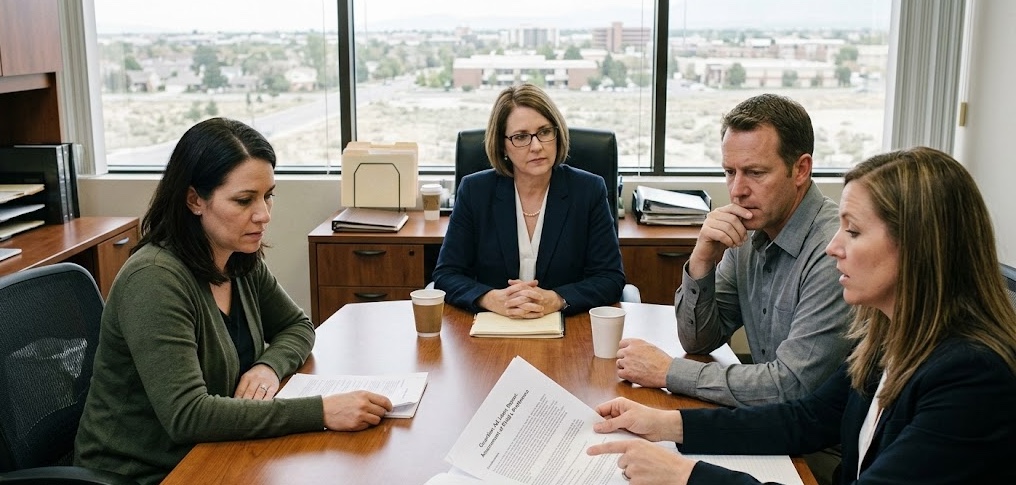
What Happens if Mediation Fails in Utah?
If mediation fails in a Utah divorce or family law case, the case does not automatically end. The unresolved issues usually move forward through litigation, additional negotiation, motion practice, pretrial preparation, or trial.

If mediation fails in Utah, the unresolved issues usually move forward toward litigation, additional settlement talks, pretrial deadlines, motion practice, or trial. The court does not punish parties simply because mediation did not produce a full agreement, but the case still has to be resolved either by later agreement or by a judge.
For many families, failed mediation is not truly failure. It may narrow the issues, clarify what evidence matters, reveal where compromise is still possible, and help both sides understand the risks of trial. The next step is to identify what remains disputed and prepare the case with more precision.
This article is for educational purposes only and is not legal advice. What happens after mediation fails depends on the type of Utah case, the court’s orders, the issues still disputed, the evidence available, and whether the parties continue negotiating after mediation.
What Happens if Mediation Fails in Utah?
If you are asking what happens if mediation fails, the practical answer is this: the case keeps moving. In a Utah divorce or family law case, mediation is an opportunity to settle. It is not usually the final stop unless both sides reach an agreement. If the parties cannot resolve every issue, the case moves back into the court process for the remaining disputes.
That may mean temporary orders, discovery, updated financial disclosures, custody evaluations or expert issues in some cases, further negotiation, settlement conferences, pretrial motions, or trial. The exact path depends on what remains unresolved. A case with one narrow property issue may move differently than a case involving custody, parent-time, alimony, child support, and disputed assets.
For the broader process, see Gibb Law’s Utah divorce process guide. If your dispute involves custody or parenting schedules, review the Utah child custody and parenting time guide. If the issue is support, the Utah alimony and child support guide may help you understand what evidence the court may need.
The Case Continues
Failed mediation does not end the case. Unresolved issues return to the court process unless the parties later settle.
Settlement Can Still Happen
Many cases settle after mediation once the parties review evidence, narrow issues, or reassess trial risk.
The Court May Set Deadlines
Discovery, motions, disclosures, pretrial conferences, and trial preparation may become the next focus.
Preparation Becomes More Important
After mediation fails, the case usually needs a clearer evidence plan, witness plan, and litigation strategy.
What Failed Mediation Actually Means
Failed mediation usually means the parties did not reach a complete signed agreement resolving all disputed issues. It does not necessarily mean the session was useless. Sometimes mediation resolves several issues and leaves only a few for the court. Sometimes it exposes missing documents. Sometimes it shows that one side has unrealistic expectations. Sometimes it confirms that trial may be necessary.
Mediation is also generally confidential. That confidentiality is one reason parties can speak more openly in mediation than they might in court. A proposal made during mediation is not usually treated the same as evidence presented at trial. That protection can help parties test settlement ideas without giving up their litigation position.
This Instagram reel is relevant because it explains a core feature of mediation: parties can work cooperatively in a confidential setting, even when settlement is difficult. That confidentiality is one reason mediation can still be useful even when it does not fully resolve the case.
Common Next Steps After Mediation Fails
After mediation fails, the next step is usually to identify exactly what remains unresolved. That list matters. If the parties agree on custody but not property division, the case will look different from a case where every major issue is still contested.
Once the remaining disputes are clear, the parties and their attorneys can decide whether another round of negotiation makes sense or whether the case needs to move deeper into litigation. Sometimes the best next step is a focused settlement offer. Sometimes it is completing discovery. Sometimes it is filing a motion. Sometimes it is preparing for trial.
Identify What Was Resolved and What Was Not
Separate settled issues from unresolved issues. A partial agreement can still reduce the scope of litigation.
Review Missing Information
If mediation failed because documents, values, disclosures, or income records were unclear, discovery may be the next priority.
Reassess Settlement Positions
After mediation, parties often have a better sense of where the other side stands and what compromise may still be possible.
Prepare for Litigation Deadlines
The court may require additional disclosures, motions, witness lists, exhibit lists, or pretrial preparation.
Decide Whether Trial Is Necessary
If settlement is no longer realistic, the remaining issues may need to be presented to a judge.
If discovery or evidence becomes the next focus, see Gibb Law’s Utah discovery, evidence, and motions practice guide. If the case is moving toward a final hearing or trial, the Utah trial preparation and appeals guide explains what that stage can involve.
How the Case Moves Back Into Litigation
When mediation does not produce a full agreement, the case typically moves back into litigation. Litigation does not always mean trial is immediate. It means the court process continues and the parties must prepare to prove their positions if settlement does not happen later.
In a Utah divorce case, that may involve resolving temporary orders, exchanging financial disclosures, completing discovery, valuing assets, addressing parenting plans, preparing support calculations, or filing motions. The court may also set conferences or deadlines to move the case toward resolution.
| Unresolved Issue | Possible Next Step | Why It Matters |
|---|---|---|
| Custody or parent-time | Parenting plan revisions, evidence gathering, temporary orders, or trial preparation. | The court will focus on the child’s best interests and practical schedule details. |
| Alimony or child support | Updated income records, support calculations, financial declarations, and motion practice. | Support disputes often depend on accurate income, expenses, and need documentation. |
| Property division | Asset valuation, debt documentation, account records, and evidence about marital property. | Utah property division depends on equitable distribution, not just who holds title. |
| Discovery gaps | Document requests, subpoenas, depositions, or motions to compel. | A case may not be ready for trial until the factual record is complete enough. |
| Trial readiness | Witness lists, exhibit lists, pretrial disclosures, and courtroom preparation. | If settlement fails, the court needs admissible evidence to decide the dispute. |
Can You Try Mediation Again?
Yes. In many cases, parties can return to mediation or continue negotiating after an unsuccessful first session. Sometimes a first mediation fails because the parties are missing information, emotions are high, or one side needs time to process the risks of trial. A later mediation may work better after discovery is complete or after the court rules on a key motion.
The important point is that settlement remains possible until the case is resolved. A failed mediation does not require the parties to abandon negotiation. It simply means the case needs another path forward while settlement remains open.
- More information is now available: Updated disclosures, appraisals, pay records, or account statements may change settlement discussions.
- The disputed issues are narrower: A second mediation can be more productive if only a few issues remain.
- A court ruling changed the risk picture: Temporary orders or motion rulings can make compromise more realistic.
- Both parties are closer to trial: Trial preparation often makes the cost and uncertainty of litigation more concrete.
Why Mediation Fails in Utah Divorce Cases
Mediation can fail for many reasons. Sometimes one party is not prepared. Sometimes financial documents are incomplete. Sometimes a parent refuses to compromise on custody. Sometimes the parties disagree about the value of a home, business, retirement account, or debt. Sometimes the legal dispute is manageable, but the emotional conflict is too high for settlement that day.
Understanding why mediation failed helps determine what should happen next. A case that failed because of missing documents may need discovery. A case that failed because one party refuses to follow temporary orders may need enforcement. A case that failed because both sides made final offers but remain far apart may need trial preparation.
Incomplete Financial Information
Settlement is difficult when income, debts, property values, or account balances are unclear.
Unrealistic Expectations
A party may overestimate trial outcomes or underestimate the evidence needed to prove a position.
High-Conflict Parenting Issues
Custody and parent-time disputes often require more structure than broad settlement language can provide.
Unresolved Legal Questions
If the parties disagree about the law, a court ruling may be needed before meaningful settlement can happen.
What Happens if the Case Goes to Trial?
If the parties cannot settle after mediation, the unresolved issues may eventually go to trial. At trial, each side presents evidence, calls witnesses, offers exhibits, and argues for the outcome they believe Utah law supports. The judge then decides the disputed issues and enters orders.
Trial preparation usually requires more structure than mediation preparation. Parties may need to prepare witness testimony, organize exhibits, comply with disclosure deadlines, respond to motions, and build a clear record. The goal is no longer to persuade the other side to compromise. The goal is to give the court admissible evidence and a legally supported reason to rule in your favor.
- Clear issue lists: The court needs to know exactly what remains disputed.
- Reliable evidence: Documents, records, testimony, and exhibits must be organized and admissible.
- Witness preparation: Witnesses should understand the topics they will address and the facts they can explain.
- Proposed orders or outcomes: The court often needs a clear statement of what each party is asking for.
For trial-focused guidance, review the Utah trial preparation and appeals guide. If the remaining dispute involves marital property or debts, Gibb Law’s Utah property division and marital assets guide can help you understand how those issues are framed.
What You Should Not Do After Mediation Fails
One of the biggest mistakes after failed mediation is reacting emotionally. Parties sometimes stop following temporary orders, refuse to exchange documents, send hostile messages, or assume trial is now inevitable. Those reactions can make the case harder and more expensive.
A better approach is to treat failed mediation as a diagnostic moment. What did the session reveal? What evidence is missing? Which issues remain unresolved? Which settlement positions are still realistic? Which points now require a court decision?
Do Not Ignore Court Orders
Temporary orders, disclosure deadlines, and scheduling requirements still matter even if mediation did not settle the case.
Do Not Assume Settlement Is Impossible
Many cases settle after mediation once more evidence is available or trial risk becomes clearer.
Do Not Rely on Verbal Side Agreements
If partial agreements were reached, they should be documented properly before either side relies on them.
Do Not Wait Until Trial to Organize Evidence
Evidence should be collected, disclosed, reviewed, and organized well before the final hearing.
How to Prepare After Mediation Does Not Settle the Case
The best preparation after failed mediation is practical and focused. Start by creating a list of unresolved issues. Then identify the evidence needed for each issue. If the dispute involves money, gather financial records. If it involves custody, organize calendars, communications, school information, and proposed parenting-plan language. If it involves property, collect account statements, appraisals, loan records, and proof of ownership or debt.
The more organized the case becomes, the more options you have. Better evidence may support a stronger settlement offer. It may also prepare you for motion practice or trial if settlement remains impossible.
| Preparation Area | What to Gather | Why It Helps |
|---|---|---|
| Custody and parent-time | Parenting calendars, school records, communication history, and proposed schedules. | Helps show what arrangement is practical and child-focused. |
| Support | Pay stubs, tax returns, financial declarations, expenses, and support worksheets. | Helps calculate realistic alimony or child support positions. |
| Property division | Account statements, appraisals, mortgage records, retirement balances, and debt records. | Helps clarify what exists, what it is worth, and how division may work. |
| Trial readiness | Witness lists, exhibits, proposed findings, and organized timelines. | Helps the court understand the case if settlement does not happen. |
A Practical Checklist After Mediation Fails
If mediation did not resolve your Utah case, the goal is to move forward deliberately. The next steps should reduce confusion, strengthen evidence, and keep settlement options open while preparing for litigation if needed.
- List unresolved issues: Identify exactly what remains disputed after mediation.
- Confirm partial agreements: Make sure any agreements reached are documented clearly and properly.
- Review missing evidence: Determine what documents, records, valuations, or disclosures are still needed.
- Track court deadlines: Do not miss discovery, motion, pretrial, or disclosure deadlines.
- Reassess settlement strategy: Consider whether a revised offer, second mediation, or focused negotiation could still resolve the case.
- Prepare for trial if necessary: Organize witnesses, exhibits, testimony, and proposed outcomes.
- Get legal guidance: The next step should fit the specific issues, evidence, and procedural posture of your case.
Failed mediation does not mean the case is out of control. It means the remaining issues need a clearer litigation plan, better evidence, and a realistic strategy for either later settlement or trial.