High-conflict divorces are some of the most emotionally and legally challenging situations Utah families face. These cases often involve ongoing arguments, difficulty communicating, and disputes that affect parenting time, property division, and long-term co-parenting. When emotions are high and trust is low, it becomes even more important to understand how Utah law handles these disputes and what tools are available to protect yourself and your children.
Gibb Law Firm is a Utah-based firm focused on practical, plain-English guidance for people navigating complex family law issues. This guide explains how high-conflict divorce works under Utah law, what to expect from the court process, and how to manage both the legal and emotional realities of a contentious case.
What Is a High-Conflict Divorce in Utah?
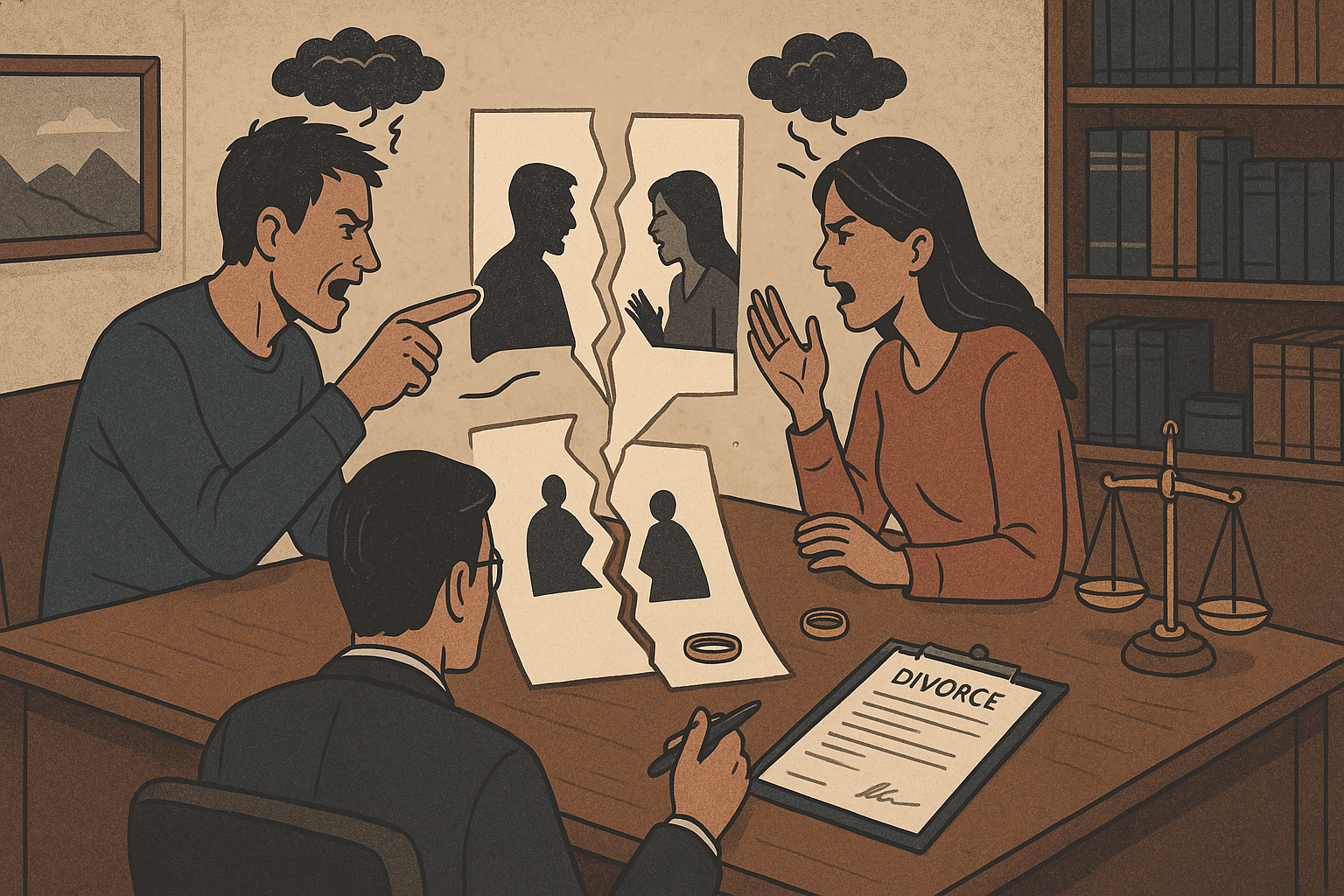
A high-conflict divorce is not defined by one bad argument. Instead, it involves ongoing patterns of behavior refusal to communicate, constant disputes, emotional manipulation, or attempts to control the legal process. These patterns can make every decision harder, from temporary custody to final property division.
Frequent legal disputes: Repeated motions, hearings, and accusations, often over parenting time, money, or communication.
Control and intimidation: One party uses threats, pressure, or constant conflict to gain leverage in negotiations or court.
Using children as tools: Attempts to turn children against the other parent or interfere with parent-time.
Communication breakdown: Refusal to respond, hostile messages, or constant escalation instead of problem-solving.
To see how and why some divorces become high-conflict, and the legal tools used to manage them, the following explainer provides helpful context that aligns with what Utah courts commonly see in these cases.
Watch: Why Some Divorces Become High-Conflict
How Utah Family Law Handles High-Conflict Divorce
Utah law does not create a separate “high-conflict divorce” category, but the same statutes and rules apply in ways that are especially important when conflict is intense. The court’s job is to stabilize the situation, protect children, and reach a fair and workable outcome.
Contested Divorce
Most high-conflict cases are contested divorces, where spouses cannot agree on issues like custody, parent-time, alimony, or property division. The court may need to decide multiple issues after hearings or a trial.
Temporary Orders
Early in the case, Utah courts can issue temporary orders for custody, parent-time, support, and use of the home. These orders provide structure and reduce chaos while the case moves forward.
Protective Orders
If conflict involves harassment, stalking, or domestic violence, Utah’s protective order statutes allow for safety-focused orders that limit contact, communication, and proximity.
Custody and Best Interests
In deciding custody, Utah judges look at the parents’ ability to communicate, cooperate, and put the child’s needs first. Persistent high-conflict behavior can influence how custody and parent-time are structured.
Judges, attorneys, and experts often work together to create parenting plans and boundaries that reduce opportunities for conflict and keep children out of the middle.
This short reel highlights red flags often present in high-conflict cases, using the children against the other parent, financial secrecy, and shutdown communication, all of which Utah courts take seriously.
Typical Court Procedures and Timeline in High-Conflict Utah Divorces
Every case is unique, but most high-conflict divorces in Utah follow a common path through the court system. Knowing what to expect can reduce anxiety and help you plan your next steps.
Filing and Service
One spouse files a petition for divorce in a Utah district court. The other spouse is formally served and given a deadline to respond. The petition can also ask for temporary orders and other relief.
Temporary Orders
The court may enter temporary orders covering custody, parent-time, child support, alimony, and use of the home. In high-conflict cases, these orders are a key tool for structure and safety.
Mediation (Required in Most Contested Cases)
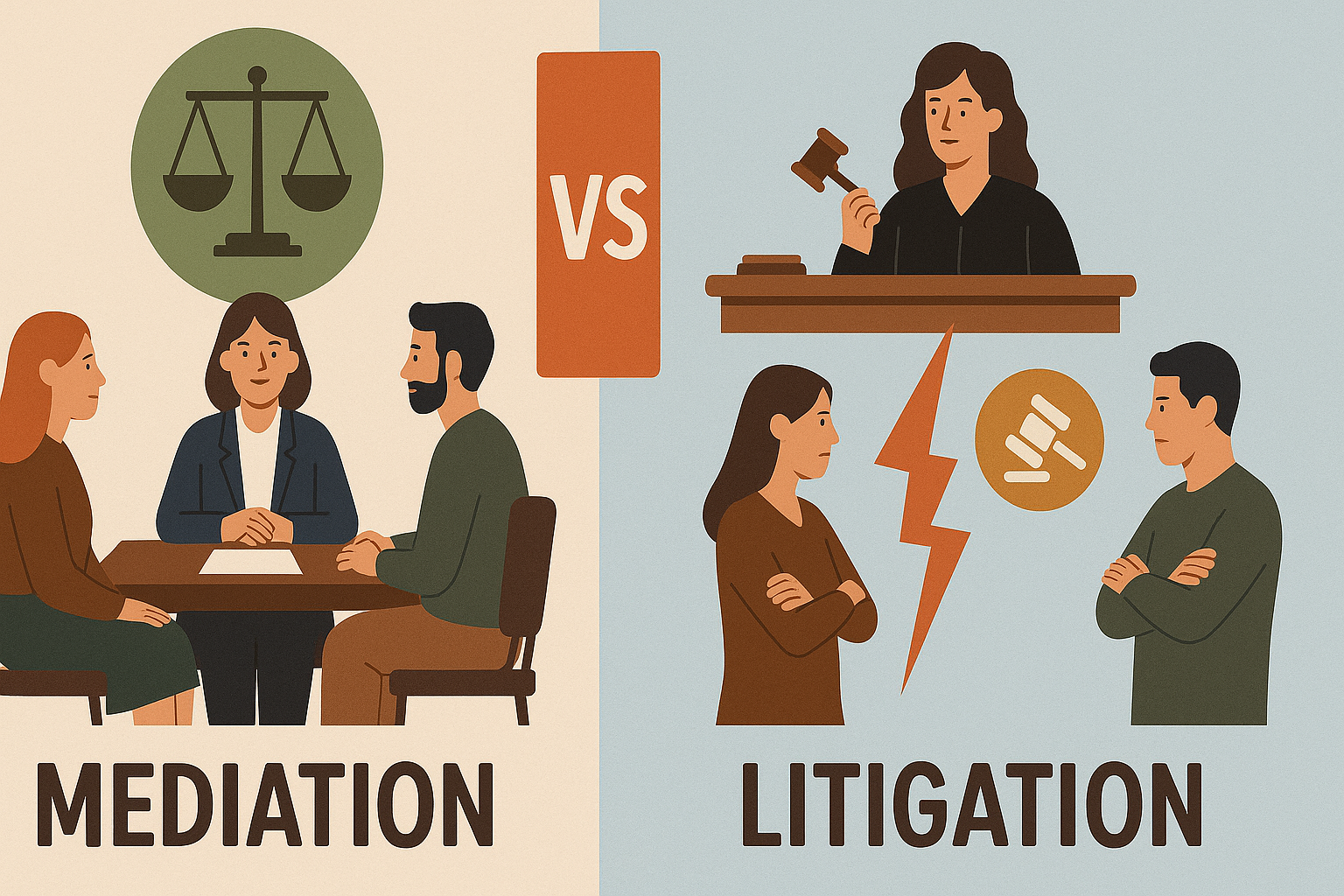
Utah generally requires mediation in contested divorces. In high-conflict matters, mediation may occur with parties in separate rooms, through their attorneys, or with added safeguards.
Discovery and Motions
Both sides exchange financial information, communications, and other evidence. Motions may be filed to enforce orders, obtain information, or address ongoing conflict or noncompliance.
Trial and Final Decree
If settlement is not possible, a judge will hold a trial and issue a final divorce decree. In high-conflict cases, the decree may contain detailed parenting schedules and communication rules.
Throughout this process, your behavior, communication, and documentation can strongly influence how the court views your credibility and your ability to co-parent.
Watch: Coping With Conflict During the Legal Process
This video offers practical coping strategies that pair well with the structured steps of Utah’s divorce process, helping you stay focused and calm while your case is pending.
Coping Strategies and High-Conflict Co-Parenting
High-conflict divorce affects more than court filings, it also impacts your mental health and your children’s day-to-day experience. Paying attention to how you cope, communicate, and co-parent can make a meaningful difference.
Use structured communication: Consider communicating by text, email, or a co-parenting app so that conversations are documented and less emotional.
Set clear boundaries: Decide what topics you will discuss, when, and how. Limit conversations to child-related issues and necessary logistics.
Focus on the children’s experience: Keep children out of adult conflict. Avoid talking negatively about the other parent or using children as messengers.
Get emotional support: Work with a therapist, counselor, or support group familiar with high-conflict divorce to help you process stress and stay grounded.
The next video shares practical tips on high-conflict co-parenting that align closely with what Utah judges expect when parents must interact after divorce.
Watch: Three Tips for High-Conflict Co-Parenting
High-conflict situations are also fueled by the “stories” people tell themselves about the other parent and the relationship. Challenging those patterns can lower the temperature of daily interactions.
This reel speaks directly to coping with the emotional “high stakes” of a high-conflict divorce, offering concrete ways to manage anxiety and stress as you move through the legal process.
In this final reel, a psychologist explains how certain “relationship stories” and assumptions can keep conflict alive, especially in separation and co-parenting. Recognizing these patterns can help you step out of constant battles.
Common Mistakes to Avoid in High-Conflict Utah Divorces
High-conflict cases are hard enough on their own. Avoiding a few common missteps can protect your rights and keep your case from spiraling further.
Responding impulsively: Angry texts, social media posts, or confrontations can be used as evidence and may harm your position in court.
Ignoring court orders: Even if you disagree, failing to follow temporary or final orders can lead to sanctions or changes in custody or parent-time.
Under-documenting incidents: Without organized notes, screenshots, and records, it is harder to prove patterns of behavior that concern you.
Keeping everything “informal”: Side deals without court approval are difficult to enforce and can create confusion and future disputes.
Involving the children in adult conflict: Asking children to choose sides or carry messages can be emotionally damaging and viewed negatively by the court.
Next Steps if You Are Facing a High-Conflict Divorce in Utah
If you are in a high-conflict divorce, you do not have to navigate the process alone. Early legal advice can help you understand your rights, set realistic expectations, and put protections in place for yourself and your children.
Talk to Gibb Law Firm About High-Conflict Divorce in Utah
High-conflict divorce is difficult, but you do not have to face it alone. Gibb Law Firm offers clear, client-centered guidance rooted in Utah family law and real-world courtroom experience. We can help you understand your options, protect your rights, and build a plan that prioritizes your children and your long-term stability.
Schedule a Consultation