Grandparents often play a central role in a child’s life, but Utah law does not automatically guarantee them visitation. Instead, grandparents must meet specific legal standards to obtain court-ordered time with grandchildren, especially when a parent is limiting or denying contact.
Gibb Law Firm helps Utah families understand when grandparent visitation may be available, what courts look for, and how to navigate the petition process. This overview explains key definitions, procedures, required filings, and common pitfalls, all in plain English and grounded in Utah family law.
Why Grandparent Visitation Matters in Utah
Visitation with grandparents can give children continuity, emotional support, and a connection to extended family, especially after divorce, death, estrangement, or other major changes. At the same time, Utah courts must respect a fit parent’s constitutional right to decide who their child spends time with.
Utah law presumes that a parent’s decisions about visitation are in the child’s best interest, grandparents must overcome this presumption with evidence.
Grandparent visitation is more likely to be considered where a strong, established relationship exists between the grandparent and the child.
The court focuses on the child’s emotional well-being whether denying contact harms the child, not whether the situation feels unfair to adults.
These cases are often fact-intensive and sensitive, making careful preparation and local legal guidance especially important.
For a practical explanation of how Utah’s grandparent visitation statute works, this video offers a helpful starting point before you look at the details below.
Watch: Grandparents’ Rights Under Utah Law
How Utah Handles Grandparent Visitation Petitions
Grandparent visitation rights in Utah are primarily governed by Utah Code § 30-5-2. The court does not simply ask whether visits would be “nice” or “helpful.” It must determine whether the child would likely suffer harm if the relationship is cut off and whether the parent’s denial of visitation should be overridden.
Informal Agreements
In many families, visitation is handled informally through cooperation and flexible schedules. Courts generally encourage parents and grandparents to resolve disputes this way whenever possible.
Petition for Visitation
If cooperation fails, a grandparent may file a formal petition for visitation in Utah district court. The petition must address the statutory factors and include specific facts about the relationship and alleged harm.
Guardianship or Custody Requests
In more serious situations such as parental unfitness, abandonment, or safety concerns grandparents may pursue guardianship or custody instead of, or in addition to, visitation. These cases require extensive evidence and follow different procedures.
Before filing, grandparents should carefully evaluate which path fits their situation and what proof they can realistically provide.
This short reel introduces the idea that grandparents may have visitation rights and highlights the importance of understanding Utah-specific rules before taking action.
Key Definitions and Utah Statutes
Understanding a few core legal concepts makes it easier to follow how Utah courts think about grandparent visitation requests.
Parental Presumption: Utah law presumes that a fit parent’s decisions about their child, including who the child sees are in the child’s best interest.
Grandparent Visitation Statute (Utah Code § 30-5-2): The primary statute that governs when and how grandparents may request court-ordered visitation with a grandchild.
Harm to the Child: Courts look for evidence that denying visitation is likely to harm the child’s emotional health or stability, not merely that it is disappointing or inconvenient.
Significant Relationship: A long-term, meaningful relationship between grandparent and child—such as providing regular care, living together, or acting in a parental role often plays a key role in these cases.
Best Interest of the Child: The overall lens the court uses in family law, including whether visitation supports the child’s stability, safety, and well-being.
For a deeper breakdown of how grandparents’ and guardians’ rights fit within Utah custody law, this video adds important context to the statutory framework.
Watch: Understanding Grandparents & Guardians’ Rights
Typical Court Procedures in Utah Grandparent Visitation Cases
Although every case is unique, most Utah grandparent visitation petitions follow a similar path through the court system.
Consultation and Case Review
The grandparent meets with a Utah family law attorney to review the history, current situation, and whether the legal standards for visitation can likely be met.
Filing the Petition
A formal petition for grandparent visitation is filed in Utah district court, outlining the relationship, reasons for the request, and evidence of potential harm if visitation is denied.
Service and Response
The parents and any other required parties are formally served. They may respond in writing and contest the request, arguing that their decision should be respected.
Evidence, Mediation, and Hearing
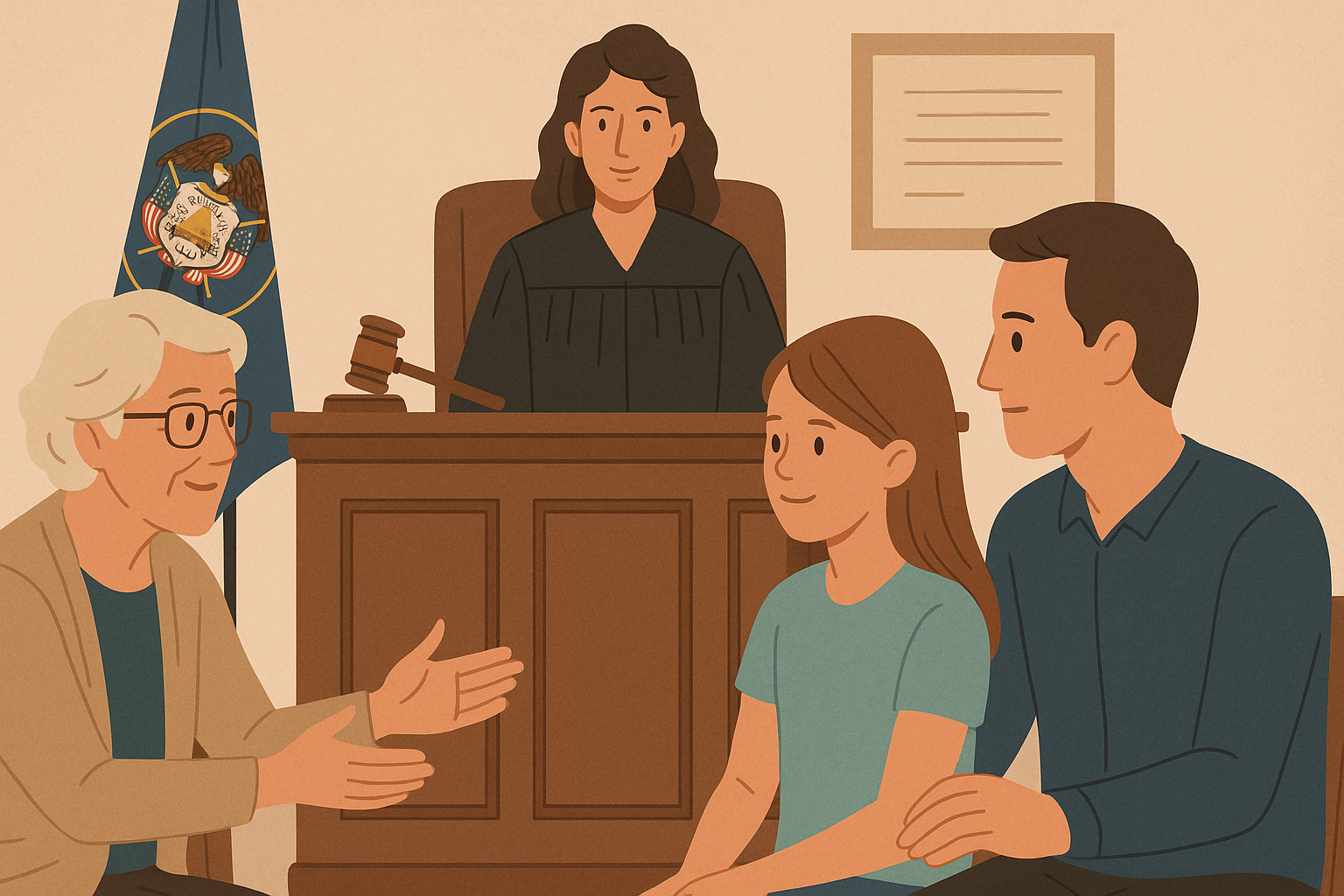
Courts may encourage mediation. If no agreement is reached, the judge holds a hearing, reviews evidence and testimony, and decides whether the legal standards for visitation are met.
Final Visitation Order
If visitation is granted, the court issues a written order setting the schedule and any conditions. Orders may be modified later if circumstances change significantly.
Because these cases can impact both parental rights and family relationships, judges pay close attention to the quality of evidence and the child’s overall stability.
This post explains what people usually mean by “grandparents’ rights” and why the process is more complex than simply asking the court for extra time with a grandchild.
Required Forms and Filings
Bringing a grandparent visitation case in Utah involves formal paperwork that must comply with state rules and deadlines. While forms can vary by county and case, they often include:
A Verified Petition for Grandparent Visitation stating detailed facts about the relationship and why visitation is necessary.
A Summons and proof of proper service on the parents and any other required parties.
Affidavits or declarations from the grandparent and potential witnesses, explaining the history of contact and impact on the child.
A proposed visitation schedule that is realistic, age-appropriate, and designed to support the child’s routine and needs.
Any relevant supporting records, such as photos, messages, school or counseling records, or prior court orders involving the child.
Errors in these documents can delay the case or weaken the request. Working with an attorney who regularly handles Utah custody and parent-time matters can help ensure filings are clear and complete. For broader context on how Utah approaches custody generally, see our Utah Child Custody & Parenting Time Guide and related resources like the Utah Divorce Process Guide.
Common Mistakes to Avoid in Utah Grandparent Visitation Cases
Because the legal standard is demanding, missteps can seriously hurt a grandparent’s chances of success. A few frequent mistakes include:
Relying only on emotion: Sharing that you love and miss your grandchild is important, but the court needs concrete facts and documentation showing harm to the child if contact is cut off.
Not demonstrating a strong prior relationship: Judges look for a meaningful, ongoing bond such as regular caregiving, overnight visits, or periods when the child lived with the grandparent.
Ignoring the parent’s perspective: Disparaging the parent or minimizing their role can undermine a case. Courts want to see that visitation supports, not disrupts, the parent-child relationship.
Self-help instead of legal process: Showing up at school or activities uninvited or bypassing parental boundaries can backfire and support the parent’s decision to restrict contact.
Waiting too long to act: Long gaps without contact may weaken arguments about an “ongoing” relationship and harm to the child if visitation is denied.
This video offers an additional perspective on when and how Utah law allows grandparents to pursue visitation or custody, reinforcing many of the themes discussed above.
Watch: What Are Grandparents’ Rights in Utah?
Next Steps if You Are Considering a Petition
If you are a grandparent in Utah worried about losing contact with a grandchild, consider taking the following structured steps before you file anything with the court:
Gather a clear timeline of your relationship with the child visits, caregiving periods, holidays, and any times the child lived with you.
Collect documentation of your involvement and the impact on the child, such as messages from parents, photos, or school and activity records.
Review any existing court orders about custody or parent-time and note how your requested visitation would fit alongside them.
Consult with a Utah family law attorney to assess whether your case realistically meets the statutory standards for grandparent visitation.
This post raises a common question: can grandparents, aunts, or other relatives request visitation? It underscores why understanding Utah’s specific rules and your exact role in the child’s life is so important.
Understanding Grandparent Visitation and Your Rights in Utah
Grandparent visitation cases sit at the intersection of constitutional parental rights and a child’s interest in maintaining important family relationships. Utah law makes these cases intentionally challenging, but in the right circumstances, courts may grant structured, court-enforceable visitation.
Learning the standards, preparing strong evidence, and approaching the process thoughtfully can make a meaningful difference. For some families, this may mean exploring settlement or mediation; for others, a full hearing may be necessary.
For additional guidance on related issues, you may also find our resources on Utah custody and parenting time and Utah protective orders helpful in understanding the broader legal landscape.
If you are unsure whether to move forward, a focused consultation with a Utah family law attorney can help you weigh risks, potential benefits, and realistic outcomes.
To learn more or discuss your situation directly, visit GibbLaw.com/contact to schedule a consultation.
Talk to Gibb Law Firm About Grandparent Visitation in Utah
Have questions about your rights as a grandparent, the impact of a parent’s decision to cut off contact, or whether a Utah court might grant visitation? Our family law team can review your situation, explain the legal standards, and help you decide on next steps with clarity and confidence.
Schedule a Consultation