In the hours and days after a crash, most people are trying to do the right thing: get medical help, fix a car, and deal with insurance calls. The problem is that small missteps can turn into bigger problems later, especially when records, timelines, and fault become part of an insurance decision or legal claim.
This guide explains common mistakes after a Utah auto accident, why they matter under Utah law, and what safer next steps usually look like. For an immediate checklist, start with what to do after a car accident in Utah.
If fault is already being disputed, read how fault is determined in Utah car crashes. If you are trying to understand how PIP and no-fault ideas fit into real claims, review understanding Utah’s no-fault insurance rules. If you are not sure when it is time to get legal help, see when to hire a Utah car accident attorney.
Note: This article is educational information, not legal advice. Deadlines and coverage rules can be strict, and outcomes depend on the facts and the insurance policies involved.
Common Mistakes After a Utah Auto Accident
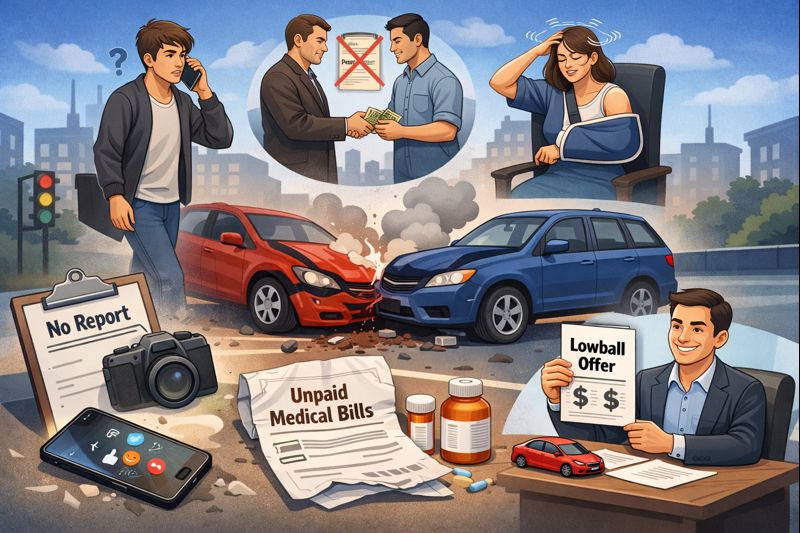
Most accident-related problems come from one of three issues: missing documentation, saying or signing something too early, or assuming an insurer has all the information it needs. Utah also has specific rules that shape how claims unfold, including personal injury protection (PIP) coverage and comparative negligence.
Delaying medical care: Waiting can create gaps in the record and give an insurer room to argue your symptoms were not caused by the crash.
Giving a recorded statement without preparation: Inconsistent details can be used later to challenge credibility or causation.
Settling before you understand the full impact: Early pressure is common, but medical costs and limitations often develop over time.
Failing to document the scene and your symptoms: Photos, witness info, and a simple timeline can matter more than people expect.
Missing deadlines: Some deadlines come from statutes, others come from insurance contracts and notice requirements.
| Question people ask | A safer Utah-focused approach |
|---|---|
| Do I have to talk to the other driver’s insurer right away? | You can be polite, but you do not have to guess or speculate. Keep your facts consistent and avoid detailed statements until you have records and a clear timeline. |
| What if I feel okay right after the crash? | Many symptoms show up later. Getting checked and keeping basic records often prevents disputes about whether the crash caused your condition. |
| Should I take the first settlement offer? | Many offers come before the full picture is clear. Make sure you understand treatment needs, bills, lost work, and how a release works before signing. |
| Does fault matter if Utah has PIP? | Yes. Utah’s structure can involve PIP early, but fault still matters in many claims and can reduce recovery under comparative negligence. |
The short video below focuses on common Utah-specific mistakes that can affect injury claims, including medical care timing and choices that can weaken documentation.
Watch: Top Mistakes in Utah Car Accident Injury Cases
The reel below highlights common pitfalls to avoid after a crash, including mistakes that can affect an injury claim.
Key Definitions and Utah Statutes
You do not need to memorize Utah law to protect yourself, but it helps to understand the rules that show up in real claims: crash duties, insurance structures, and how fault can reduce compensation.
PIP coverage: Utah auto policies typically include personal injury protection benefits that can help pay certain accident-related expenses early. See Utah Code 31A-22-307.
Serious injury threshold and general damages: Utah law limits when a person can pursue general damages after an auto accident unless certain threshold conditions are met. See Utah Code 31A-22-309.
Comparative negligence: Utah uses a modified comparative negligence framework. Fault percentages can reduce recovery, and in some situations can bar recovery. See Utah Code 78B-5-818.
For a clearer explanation of how PIP fits into early medical bills and why “no-fault” is often misunderstood, see understanding Utah’s no-fault insurance rules.
The reel below emphasizes why medical documentation and caution in early conversations can matter in a real claim.
Typical Claim Steps in Utah After a Crash
Most cases begin as insurance claims, not lawsuits. The first steps are about preserving evidence and triggering coverage correctly so you do not lose leverage later.
Step 1: Get medical evaluation and start a simple symptom log
Even short notes about symptoms, appointments, and work impact can help keep details consistent over time.
Step 2: Document the scene and vehicle damage
Photos, witness names, and basic facts help if fault becomes disputed or the story changes later.
Step 3: Report and open claims carefully
Notify your insurer and ask what they need for medical bills, PIP processing, and vehicle repair documentation.
Step 4: Keep communications consistent
Recorded statements, emails, and medical notes should align. If you do not know an answer, do not guess.
Step 5: Evaluate fault and damages before signing releases
Settlement releases can close out claims permanently. Make sure the full impact is understood before you agree.
If you want a practical first-day checklist, review what to do after a car accident in Utah, then return here to compare your steps to the common mistakes list.
Records and Paperwork That Often Matter
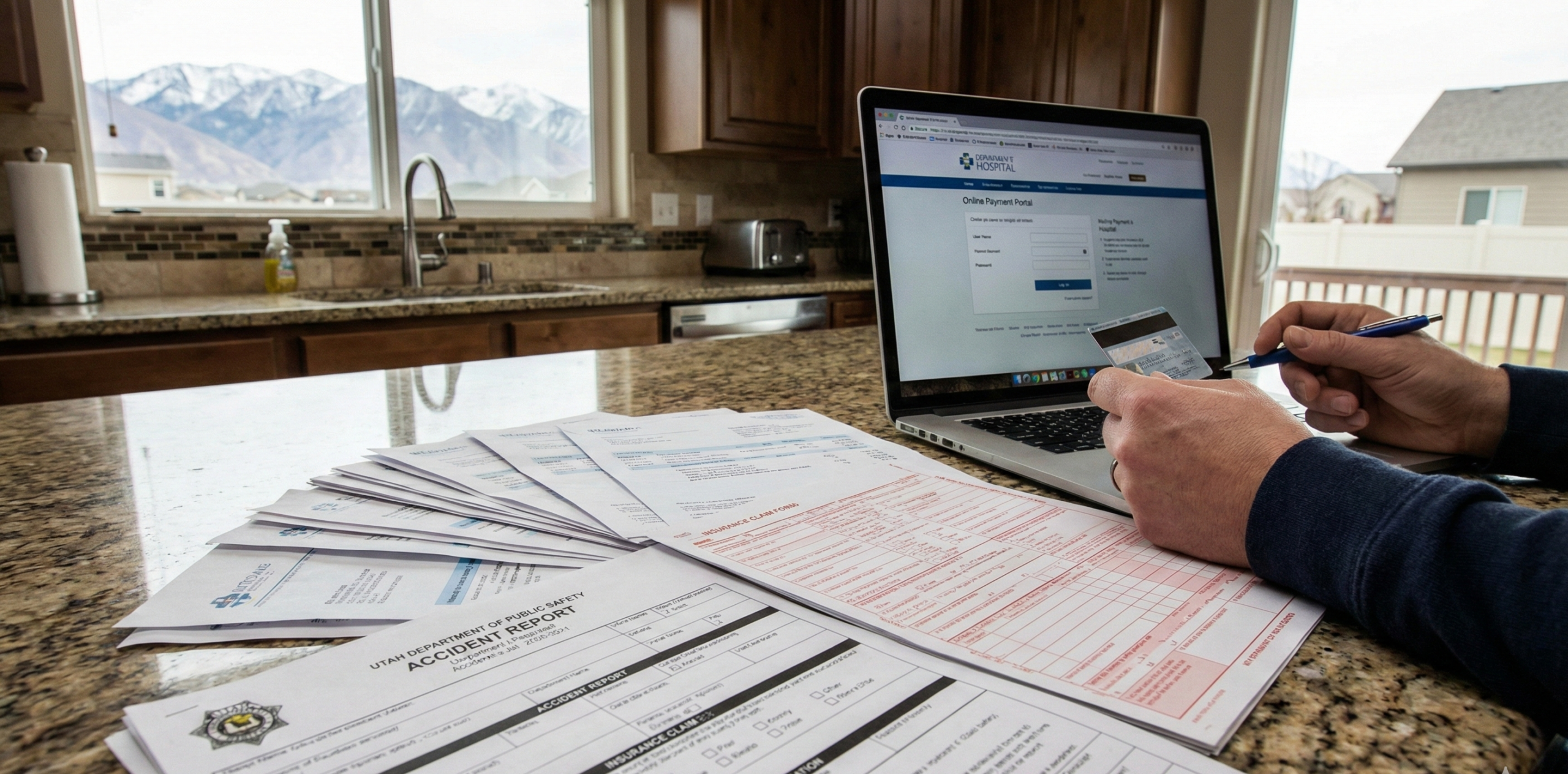
Insurance companies make decisions based on documentation. The exact forms vary by carrier, but these items regularly come up in Utah auto accident claims.
Claim numbers and adjuster contact info: Keep a simple log of who you spoke with, when, and what was requested.
Medical records and itemized bills: Save visit summaries, imaging notes, referrals, and invoices in one folder.
Work and wage documentation: If you miss work, employer confirmation and payroll records may matter.
Crash documentation: Photos, witness names, and report details can matter if the claim becomes a fault dispute.
If you are trying to understand how fault is evaluated, including common evidence insurers look at, see how fault is determined in Utah car crashes.
Common Mistakes to Avoid
Some mistakes happen at the scene. Others happen days later on the phone or in a rushed settlement conversation. Here are common issues that can weaken a Utah auto accident claim.
Not getting medical care or delaying follow-up: Gaps can lead to arguments that the crash did not cause your symptoms.
Downplaying injuries early: People often say “I’m fine” at the scene. If symptoms develop later, that early statement may be used to question the claim.
Giving inconsistent statements: Differences between a recorded statement, crash report, and medical notes can create credibility problems.
Posting on social media: Photos and comments can be misunderstood or taken out of context and used to dispute severity.
Accepting a quick settlement without understanding the release: Releases can close out claims permanently, including future issues tied to the crash.
Assuming fault does not matter in Utah: Comparative negligence can reduce recovery and can become central in disputed claims. See Utah Code 78B-5-818.
The video below explains top ways people accidentally damage their Utah car accident insurance claim, including communication and documentation issues.
Watch: Top Ways to Mess Up a Utah Insurance Claim
The reel below highlights a common settlement mistake: resolving a case too early before you understand the full impact and your options.
Next Steps After a Crash
If you are worried you made a mistake, do not panic. Many issues can be addressed with better documentation and clearer communication going forward. The goal is to stop the damage and protect the record from here.
Get organized today: Create one folder for photos, medical records, bills, estimates, and insurer messages.
Write a simple timeline: Note the crash date, symptoms, appointments, time missed from work, and key claim communications.
Be careful with statements: Stick to what you know. Avoid guessing speeds, distances, or medical conclusions.
Do not sign a release without clarity: Make sure you understand what you are giving up, not just what you are being paid.
The video below covers common mistakes people make after a car accident, including documentation pitfalls that can apply in Utah claims as well.
Watch: Common Post-Accident Mistakes and How to Avoid Them
Talk to Gibb Law About a Utah Car Accident Claim
Gibb Law is a Utah-based law firm focused on clear, practical guidance for clients facing real-world legal problems. If you are dealing with a complex accident claim or you are worried a mistake has put your case at risk, we can help you understand your options and next steps.
Schedule a Consultation