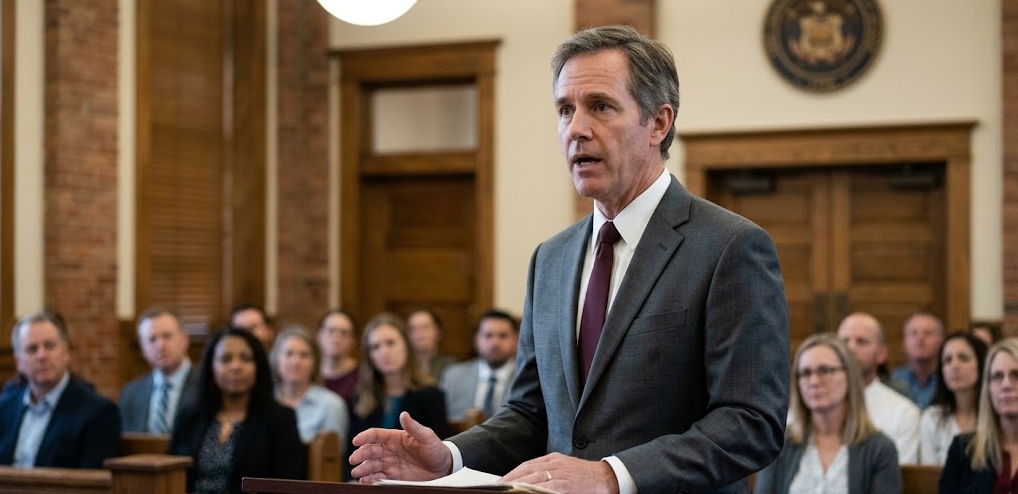
Understanding Opening and Closing Statements in Utah
Why this matters: Opening statements and closing statements can shape how a Utah judge or jury understands a case. Even when the evidence is strong, the way a party frames the facts at the beginning and ties them together at the end can affect clarity, credibility, and persuasion.
In a Utah trial, an opening statement is usually the first structured explanation of what the evidence is expected to show. A closing statement comes after the evidence has been presented and gives each side a final opportunity to argue how the admitted proof supports its position.
Note: This article is for educational purposes only and is not legal advice. Trial procedure can vary depending on the court, the judge, the type of case, and the specific rulings made during the case.
Understanding Opening and Closing Statements in Utah
If you are searching for Utah trial, understanding opening and closing statements in Utah, or practical guidance under Utah law, it helps to know that these statements are not just formalities. They are key parts of how a case is presented. They help the court understand what each side says the case is about and why the evidence should lead to a particular outcome.
Opening statements usually come near the beginning of trial. They are meant to introduce the case, explain the facts each side expects the evidence to show, and provide a roadmap for the judge or jury. Closing statements happen after testimony, exhibits, and other evidence have been admitted. At that point, each side argues why the evidence supports its claims or defenses.
Although the basic concepts are familiar across many courts, Utah trial practice still depends on procedure, timing, judicial expectations, and the specific issues involved. A well-prepared statement can help organize the facts and improve credibility. A poorly prepared one can create confusion, overpromise, or weaken the overall case presentation.
For related guidance, see our Utah trial preparation and appeals guide, Utah discovery, evidence and motions practice guide, Utah contract dispute litigation guide, and Utah civil litigation guides.
Overview of Opening and Closing Statements in a Utah Trial
In most trials, the opening statement and closing statement serve different purposes. The opening statement gives the decision-maker an overview of the case before the evidence comes in. It is not evidence itself. Instead, it is a preview of what counsel believes the testimony, documents, and other exhibits will show.
The closing statement, by contrast, comes after the evidence has been presented. It is the point where each side can pull the facts together, address weaknesses, explain how the law applies, and argue why the judge or jury should rule in its favor. Openings focus on expectation. Closings focus on proof.
Opening statements frame the case
They give the court a clear introduction to the dispute and a roadmap for the evidence that is expected to follow.
Closing statements tie the evidence together
They explain why the admitted proof supports one side’s version of events and the relief being requested.
Neither statement is itself evidence
The arguments matter, but the ruling or verdict must still rest on testimony, exhibits, and the law.
Preparation affects credibility
Clear, disciplined statements can make the case easier to follow and help the court see the issues more clearly.

In practical terms, both statements are part of larger Utah trial preparation. They should reflect the actual evidence, the legal claims at issue, and the court’s procedural expectations.
Key Definitions and Utah Trial Concepts
It helps to begin with a few basic definitions. An opening statement is the initial explanation of what a party expects the evidence to show during trial. A closing statement, often called a closing argument, is the final argument made after the evidence has been admitted. It is the party’s opportunity to explain why the facts and law support the result it is asking the court to reach.
Another important point is that statements by lawyers are generally not evidence. Witness testimony, exhibits, and stipulations supply the actual evidentiary record. That distinction matters because a strong opening should promise only what can actually be supported, and a strong closing should stay grounded in the evidence that was truly admitted.
Opening statement: A structured introduction to the case that previews what the evidence is expected to show.
Closing statement: The final argument that explains how the admitted evidence supports a party’s claims or defenses.
Theme of the case: The central idea or theory that helps organize the facts into a coherent story.
Burden of proof: The level of proof a party must satisfy to win on a claim or defense.
These ideas matter because a persuasive statement is not just dramatic language. It is a disciplined way to help the court understand what facts matter, why they matter, and how the legal standard should be applied.
Watch: Trial Prep, Opening Statements and Closing Arguments
This video fits here because it gives a broad view of how opening statements and closing arguments function in a trial setting and why each phase requires different preparation.
Typical Court Procedure and When These Statements Happen
In a typical Utah trial, opening statements come after preliminary matters are addressed and before witnesses begin testifying. The purpose is to orient the court or jury before evidence is introduced. Each side explains the nature of the dispute, the key facts it expects to prove, and the general theory of the case.
After that, the parties present evidence through witnesses, exhibits, and objections as the case moves forward. Once the evidence is complete, the trial shifts into closing statements. At that point, the parties are no longer previewing what will happen. They are arguing from the record that has been created in court.
Pretrial preparation
Before trial, lawyers usually develop the case theory, identify key facts, organize exhibits, and think about how to present the story clearly.
Opening statements
Each side gives the court a roadmap of what the evidence is expected to show and what issues the trial is really about.
Presentation of evidence
Witnesses testify, exhibits are offered, objections may be raised, and the factual record is developed.
Closing statements
Each side argues from the admitted evidence and explains why the law and facts support the result it seeks.
Decision or deliberation
Depending on the case, the judge or jury then decides the disputed issues based on the law and the evidence.
Watch: Opening Statements and Closing Arguments
This video belongs here because it helps explain the courtroom sequence and the different roles these statements play before and after evidence is presented.
What Makes an Effective Opening Statement
A good opening statement usually aims for clarity rather than theatrics. It should introduce the parties, explain the dispute in plain terms, identify the important facts, and give the court a reliable outline of what the evidence will show. In many cases, the strongest opening is one that is organized, realistic, and disciplined.
An opening statement can also help establish the theme of the case. That theme should connect the facts in a way that is easy to follow. In a contract dispute, for example, the theme might be broken promises and financial harm. In a personal injury matter, it might be preventable conduct and the consequences that followed.
| Opening statement element | What it usually does | Why it matters |
|---|---|---|
| Case introduction | Explains who the parties are and what the dispute is about | Gives the court immediate context for the trial |
| Clear theme | Provides a simple organizing idea for the facts | Makes the evidence easier to follow as trial proceeds |
| Evidence roadmap | Previews the testimony and exhibits expected to be presented | Helps the judge or jury understand what to look for |
| Realistic scope | Avoids exaggeration or unsupported promises | Protects credibility when the evidence comes in |
| Connection to legal issues | Shows why the facts matter under the claims or defenses at issue | Keeps the presentation focused on what the court must decide |
One common mistake is treating the opening statement like a closing argument too early. A useful opening previews the expected proof, but it generally should not argue facts as though they have already been established.
This reel fits naturally here because it highlights how trial lawyers use structure and storytelling to make an opening statement more compelling and easier to understand.
What Makes an Effective Closing Statement
Closing statements are often where the case becomes most direct. By the time closings begin, the evidence has already been admitted. That allows each side to argue from the record, explain what the testimony and exhibits showed, point out weaknesses in the opposing case, and connect the facts to the governing legal standards.
A strong closing statement usually has a different tone from an opening. It is less about previewing and more about proving. It often revisits the theme introduced at the beginning of trial, but now with support from specific witnesses, documents, and admissions that were actually presented.
Use the admitted evidence: Closings are strongest when they stay tied to the actual trial record.
Explain why the evidence matters: Listing facts is not enough; the argument should connect those facts to the legal issues.
Address the other side’s weaknesses: A closing often responds directly to gaps, inconsistencies, or credibility issues in the opposing presentation.
End with a clear request: The court should know exactly what ruling, verdict, or relief the party is asking for.
This clip supports this section because it illustrates how closings often focus on emphasis, structure, and persuading the decision-maker after the evidence is complete.
Common Mistakes to Avoid
Many trial presentation problems come from saying too much, promising evidence that never appears, or failing to connect the facts to the legal questions the court must decide. An effective opening or closing does not need to be dramatic. It needs to be clear, accurate, and anchored in the case.
Overpromising in the opening: If the evidence does not match the opening statement, credibility can suffer.
Arguing without structure: A statement that jumps between facts without a clear theme can confuse the court.
Ignoring the burden of proof: Statements should be shaped around what the party actually must prove under Utah law.
Failing to connect the evidence in closing: A persuasive closing should show how the testimony and exhibits support the requested result.
Watch: Ultimate Guide to Opening Statements in Mock Trial
This video fits here because it focuses on building a clear theme and structure, which is useful when thinking about the kinds of errors that can weaken an opening statement.
How Opening and Closing Statements Fit Into Overall Trial Preparation
Opening statements and closing statements are not separate from the rest of trial work. They should grow out of the evidence, witness preparation, discovery record, and legal strategy developed before trial. A strong statement often reflects thorough preparation long before anyone walks into the courtroom.
That is also why closings are usually more effective when the trial was presented in an organized way from the start. If witness testimony was focused and exhibits were introduced clearly, the closing argument can build on that structure instead of trying to repair confusion after the fact.
They reflect case theory
The strongest statements usually match the core theory of the case and stay consistent from beginning to end.
They depend on evidence preparation
An opening should reflect what the evidence will likely show, and a closing should reflect what the evidence actually showed.
They help the court follow the case
Good structure makes testimony and exhibits easier to understand throughout trial.
They can influence credibility
Measured, accurate, and well-supported statements can make a party appear more prepared and more reliable.
This reel works well in this section because it ties the major phases of trial together and reinforces that openings, evidence presentation, and closings are part of a single trial strategy.
Next Steps if You Are Preparing for Trial in Utah
If you are preparing for trial, it is usually helpful to think of opening and closing statements as part of a larger presentation plan. Start with the legal issues that matter most. Identify the evidence that supports them. Build a clear theme. Then make sure the opening previews that proof accurately and the closing returns to it in a disciplined and persuasive way.
Talk With Gibb Law About Utah Trial Preparation
Gibb Law helps Utah clients prepare for litigation with practical, organized, and client-centered guidance. If you need help preparing for trial, evaluating case strategy, organizing evidence, or presenting a clear position in court, our firm can help you assess your options and prepare for the next step.
Schedule a ConsultationLegally Reviewed by Dustin Gibb, Kaysville & Clearfield Lawyer
This article was legally reviewed by Dustin Gibb, a Utah attorney serving Kaysville, Clearfield, and surrounding communities. Dustin brings practical experience in Utah litigation and motion practice, including trial preparation, courtroom advocacy, and evidentiary issues. If you need personalized legal guidance about preparing for trial or presenting your case in Utah court, contact Gibb Law to discuss your situation and next steps.