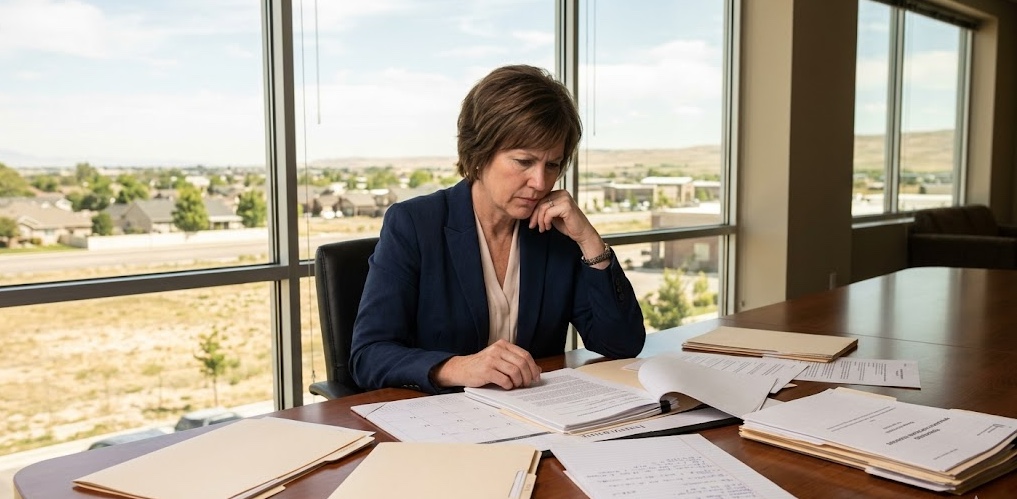
Primary Caretaker Standards in Utah
Why this matters: In Utah custody cases, courts look closely at which parent has handled the child’s daily care. That practical history can shape how a judge views physical custody, routine stability, and the child’s best interests.
Parents often use the phrase primary caretaker to describe the parent who has managed school routines, meals, bedtime, appointments, transportation, emotional support, and other day-to-day responsibilities. Even though no single label decides a case by itself, evidence about real caregiving can matter a great deal.
Note: This article is for educational purposes only and is not legal advice. Utah custody outcomes depend on the child’s best interests, the evidence presented, the parents’ abilities and involvement, and the exact facts of the family’s situation.
Primary Caretaker Standards in Utah
If you are researching primary caretaker standards in Utah, you are probably trying to understand how a court decides which parent has been more involved in the child’s daily life and whether that history affects custody. In Utah, custody decisions are guided by the child’s best interests, but the court often looks at the practical reality of who has been providing consistent hands-on care.
This matters because physical custody is not just about a parent’s preference or job title. Courts may examine who got the child ready for school, who handled meals, bedtime, homework, transportation, medical appointments, discipline, emotional comfort, and other everyday needs. A parent who has consistently carried those responsibilities may have stronger evidence when arguing for a custody structure centered on stability and continuity.
For broader context, see our Utah child custody and parenting time guide, Utah divorce process guide, Utah family law guides, About Gibb Law, and our contact page if you need legal guidance for your situation.
What the Primary Caretaker Idea Means in Utah Custody Cases
When people talk about the primary caretaker in a Utah custody case, they usually mean the parent who has taken the lead on the child’s daily routine and personal care. That can include getting the child dressed, preparing food, arranging childcare, helping with homework, attending school meetings, scheduling doctors’ visits, managing bedtime, and responding to the child’s day-to-day emotional needs.
The key point is that courts tend to care more about actual caregiving than labels. A parent may believe they are the more important parent because they earn more income or because they have strong feelings about what should happen next. But in custody disputes, judges often look for evidence of consistent, practical involvement in the child’s life.
Daily care matters
Courts may consider who has handled meals, school routines, homework, appointments, transportation, and the child’s ordinary daily needs.
Stability matters too
A caregiving pattern can support an argument that one arrangement offers the child more continuity and fewer disruptions.
No automatic rule
Being the primary caretaker does not guarantee custody, but it can be important evidence in the broader best-interests analysis.
Evidence is practical
Calendars, school records, messages, medical records, and witness observations may all help show who actually performed day-to-day care.

In short, the primary caretaker issue is really about lived parenting. Utah courts are generally trying to understand what the child’s life has looked like and which arrangement is most likely to support the child’s welfare going forward.
Why Daily Routine Care Can Influence Physical Custody
Physical custody focuses on where the child lives and how time is divided. In many cases, the parent who has taken on more of the daily routine may argue that the child should continue in a stable pattern. Courts often pay attention to continuity because abrupt changes can affect school performance, emotional adjustment, and the child’s sense of security.
That does not mean a court simply rewards whichever parent did more chores. Instead, it looks at whether the child’s existing routine has been built around one parent’s consistent care and whether maintaining or adjusting that routine is in the child’s best interests.
Morning and evening routines: Who regularly managed wake-ups, meals, school prep, pickup, dinner, homework, and bedtime?
School involvement: Who attended parent-teacher conferences, managed assignments, communicated with staff, and handled special services?
Medical and developmental care: Who arranged appointments, followed treatment plans, and tracked the child’s health needs?
Emotional support and structure: Who was consistently present to manage stress, transitions, discipline, and ordinary developmental needs?
Watch: Primary Caregiver Arguments in Utah Custody Cases

Open the YouTube video discussing the primary caregiver argument in Utah custody cases
This video fits here because it directly addresses how the primary caregiver argument can affect Utah custody litigation and why daily caregiving history may become important in contested cases.
Primary Caretaker Evidence Versus Legal Labels
One of the most common misunderstandings in custody cases is the belief that a parent automatically wins because they have been called the primary caretaker. Utah courts do not usually rely on a single label. Instead, they compare evidence and look at the full picture of the child’s best interests.
That means one parent may have handled more of the hands-on care in the past, while the other parent may now be equally available, more flexible, or better positioned to meet the child’s needs moving forward. The court’s task is not to reward one parent for past effort alone. It is to determine the custody arrangement that best serves the child.
| Issue | What the court may look at | Why it matters |
|---|---|---|
| Past daily caregiving | Which parent handled routines, appointments, school issues, and ordinary care most consistently | Shows the child’s existing pattern of stability and reliance |
| Future parenting ability | Availability, scheduling, follow-through, home stability, and ability to meet current needs | Custody decisions are forward-looking as well as historical |
| Co-parenting capacity | Whether the parents can communicate, share information, and support the child’s relationship with the other parent | Helps the court assess whether a proposed custody structure is workable |
| Child’s best interests | The overall effect of the arrangement on the child’s welfare, development, and stability | This remains the central standard in Utah custody cases |
Watch: Is the Primary Caregiver Doctrine Really a Maternal Preference Rule

This video belongs here because it helps readers think critically about how primary-caretaker arguments are framed in Utah custody disputes and why the court’s analysis should remain focused on evidence and the child’s best interests.
This Instagram reel fits here because it explains the difference between custody and care and control, helping readers see how caregiving history and decision-making authority can overlap but are not exactly the same issue.
View the Instagram reel about custody versus care and control
How Utah Courts May Evaluate the Primary Caretaker Question
In a contested case, courts often look beyond broad claims such as “I’ve always been the main parent.” They want facts. Judges may examine how responsibilities were actually divided over time and whether one parent was consistently more involved in the child’s ordinary life.
That can include testimony from the parents, school staff, family members, childcare providers, or medical professionals. Documentary evidence may also matter, especially when it shows who scheduled appointments, attended meetings, responded to emergencies, or communicated regularly with teachers and providers.
Identify the core caregiving tasks
Break the issue into concrete categories such as school, meals, health care, transportation, supervision, and emotional support.
Document who handled those tasks
Messages, calendars, school portals, records, and witness observations can help show the real pattern of caregiving.
Compare past care with future practicality
The court may consider not only past involvement but whether the proposed arrangement is realistic and stable going forward.
Evaluate each parent’s credibility and consistency
Detailed, specific evidence usually carries more weight than vague general claims.
Keep the focus on the child’s best interests
The purpose of the primary-caretaker evidence is to help the court understand which arrangement best supports the child.
The more concrete the evidence, the easier it is for the court to understand how caregiving has actually worked inside the family.
Primary Caretaker Issues and the Child’s Best Interests
Utah custody law centers on the child’s best interests. That means the primary caretaker question is usually important because it helps illuminate stability, continuity, and the quality of care the child has been receiving. It is not important as a standalone title.
For example, if one parent has been the consistent source of day-to-day care, that may support an argument that maintaining a similar structure will reduce disruption. At the same time, the court may also weigh each parent’s willingness to encourage the child’s relationship with the other parent, the child’s developmental needs, the parents’ communication, and the practical realities of each household.
Best interests stay central: The court uses caregiving evidence to better understand what arrangement serves the child most effectively.
Continuity matters: A child’s established routines and dependable caregiver relationships can be highly relevant.
History is not everything: Judges may also consider future availability, household stability, and each parent’s practical ability to meet the child’s needs.
Specific evidence helps: Detailed proof of who did what and when is usually more useful than broad conclusions.
Watch: Utah Child Custody Framework Behind Primary Caretaker Arguments

Open the YouTube video explaining the broader Utah child custody framework
This video supports this section because it gives readers the larger Utah custody context in which primary-caretaker arguments are evaluated.
This reel works well here because it emphasizes that custody decisions turn on the child’s best interests, which is the lens through which primary-caretaker evidence is typically considered.
View the Instagram reel about what sole custody means and why best interests matter
Common Disputes Over Who Was the Primary Caretaker
Many parents tell very different stories about who did most of the caregiving during the relationship. One parent may focus on earning income and financing the household, while the other emphasizes direct daily care. Another case may involve a more balanced arrangement that changed over time because of work schedules, schooling, or separation.
These disputes often become complicated because modern parenting roles are not always static. A parent who was less involved earlier may become far more available later. A parent who handled most of the day-to-day tasks may later face work or housing changes. That is why courts tend to look at patterns carefully rather than relying on a simple slogan.
Different views of caregiving: Parents may define “primary caretaker” differently depending on whether they focus on time, money, logistics, or emotional support.
Changing family roles: The caregiving pattern may shift over time because of work schedules, school, health, or the separation itself.
Missing documentation: Strong claims are harder to prove when there are no calendars, records, messages, or witnesses to support them.
Confusion between caregiving and authority: A parent may have handled more day-to-day care without necessarily having sole decision-making authority.
How Parenting Schedules Interact With Primary Caretaker Claims
Primary-caretaker arguments often overlap with discussions about parenting schedules. A court may ask whether the child’s current or proposed schedule reflects the reality of how care has actually been provided. That does not mean the same schedule must continue forever, but it does mean schedule proposals should make practical sense.
For example, when parents are discussing an equal or near-equal schedule, the court may still want to know how caregiving has historically been divided and whether each parent is realistically prepared to handle school mornings, medical coordination, transportation, activities, and transitions. A schedule that looks fair on paper may not always fit the child’s actual needs.
This Instagram reel fits here because it explains a 2-2-3 custody schedule, which is directly relevant when parents are trying to connect caregiving history with a workable future parenting arrangement.
Practical Ways Parents Can Present Primary Caretaker Evidence
Parents usually help themselves most by staying specific and organized. Instead of arguing in general terms, it is often better to show the actual pattern of care. That might include school correspondence, attendance at appointments, extracurricular logistics, childcare arrangements, and a timeline of how the child’s daily needs were met before and after separation.
Use concrete examples: Specific routines and responsibilities are more persuasive than broad claims.
Organize records carefully: Messages, calendars, school notices, and medical information can help show who managed daily care.
Stay child-focused: The strongest argument is usually the one tied clearly to the child’s welfare and stability.
Avoid overstatement: Exaggerated claims can weaken credibility if the evidence shows parenting duties were more shared than one parent admits.
Next Steps for Parents Dealing With Primary Caretaker Standards in Utah
If you are negotiating a parenting plan, preparing for mediation, or involved in a contested custody case, it helps to think carefully about how caregiving has really worked in your family. Which parent has handled the child’s daily needs most consistently? What does the documentation show? What arrangement will provide the child with the greatest stability moving forward? Those are usually the questions that matter most.
Talk With Gibb Law About Primary Caretaker Standards in Utah
Gibb Law helps Utah parents understand custody disputes, parenting plans, and the practical evidence that can shape a physical custody case. If you are dealing with disagreements about who has handled most of the child’s daily care or how that history affects custody, our firm can help you evaluate your options and move forward with greater clarity.
Schedule a ConsultationLegally Reviewed by Dustin Gibb, Kaysville & Clearfield Lawyer
This article was legally reviewed by Dustin Gibb, a Utah attorney serving Kaysville, Clearfield, and surrounding communities. Dustin brings practical experience in Utah litigation and motion practice and provides client-centered guidance to families navigating custody disputes and related court proceedings. If you need personalized legal guidance about primary caretaker standards in Utah, contact Gibb Law to discuss your situation and next steps.