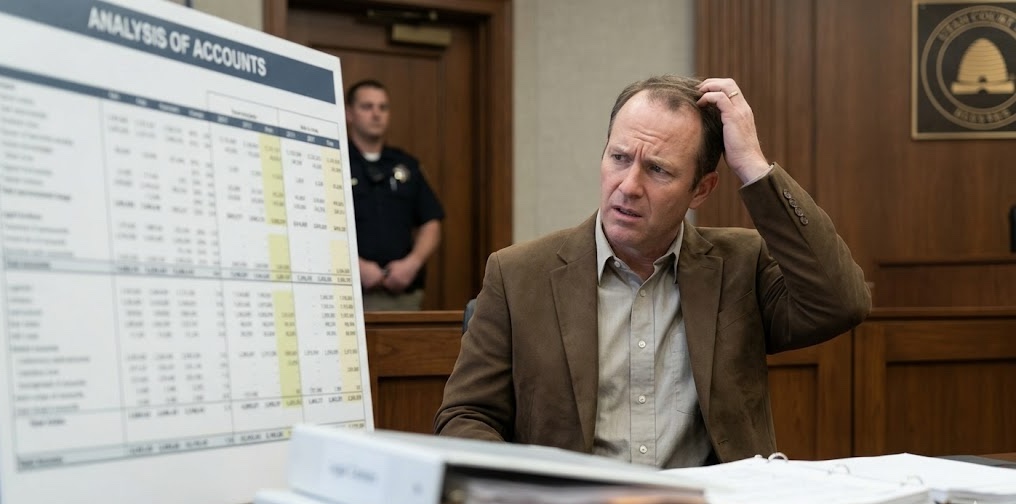
Common Trial Mistakes to Avoid in Utah
Why this matters: Common trial mistakes can damage a Utah case long before a judge or jury reaches the merits. Missed deadlines, weak exhibit preparation, inconsistent testimony, and poor courtroom organization can undermine credibility and limit what the court is willing to consider.
In Utah civil litigation, trial success often depends on preparation as much as argument. Parties need to understand disclosure duties, witness preparation, evidence rules, courtroom procedure, and how each part of the case fits into a clear theory that the court can follow.
Note: This article is for educational purposes only and is not legal advice. How trial issues are handled in Utah depends on the court, the claims involved, the procedural posture of the case, the judge’s rulings, and the facts specific to the dispute.
Common Trial Mistakes to Avoid in Utah
If you are searching for Utah trial, common trial mistakes to avoid in Utah, or practical guidance under Utah law, you are likely trying to understand what can go wrong as a case moves toward a hearing or trial. Many trial problems do not come from a lack of facts. They come from preventable mistakes in preparation, presentation, timing, and courtroom strategy.
Trials in Utah require more than showing up with documents and a general sense of what happened. A party may need to disclose witnesses, organize exhibits, prepare testimony, respond to motions, understand objections, and present evidence in a way that fits both the Utah Rules of Civil Procedure and the Utah Rules of Evidence. Even a strong claim or defense can be weakened if the case is presented in a disorganized or incomplete way.
Knowing what mistakes to avoid can help you protect the record, improve credibility, and make it easier for the court to follow the facts that matter. It can also reduce avoidable delays, evidentiary problems, and strategic errors that create unnecessary risk at trial.
For related guidance, see our Utah trial preparation and appeals guide, Utah discovery, evidence and motions practice guide, Utah contract dispute litigation guide, and Utah civil litigation guides.
Overview of How Trial Preparation Works in Utah
Most Utah trials are shaped well before the first witness is called. The pretrial phase often includes pleadings, disclosures, discovery, motions, settlement efforts, witness preparation, exhibit planning, and scheduling orders that control how the case reaches trial. By the time the courtroom phase begins, parties are expected to know what they need to prove and how they plan to prove it.
That is why many common trial mistakes are really preparation mistakes. A witness may not be ready. An exhibit may not be authenticated. A key issue may not have been framed clearly in a pretrial filing. A party may focus on facts that feel important personally but do not match the legal elements the court must decide.
Preparation affects admissibility
Evidence can lose value if it is not disclosed, organized, or introduced correctly under the applicable Utah rules.
Credibility starts early
Judges notice whether a party appears focused, prepared, and grounded in the actual issues before the court.
Procedure matters as much as proof
Even persuasive facts can be limited by missed deadlines, incomplete filings, and avoidable courtroom mistakes.
Trial strategy should be disciplined
A clear case theme helps keep witnesses, exhibits, objections, and arguments tied to the issues that actually matter.

At a practical level, avoiding common trial mistakes in Utah means preparing the case in a way that is organized, accurate, timely, and easy for the court to understand.
Key Definitions and Utah Rules That Shape Trial Mistakes
Before looking at the most common errors, it helps to understand a few terms that frequently affect trial preparation. An exhibit is a document, photo, record, or other item offered as evidence. Foundation is the testimony or proof needed to show what that exhibit is and why it can be considered. Authentication is the process of showing that an item is genuine. An objection is a request for the court to exclude or limit testimony or evidence that does not comply with the rules.
Utah trial mistakes often happen when parties treat courtroom presentation as informal storytelling instead of structured proof. The court still expects relevance, reliability, disclosure compliance, and a clear connection between the evidence and the legal claims or defenses in dispute.
Exhibit: A record, document, image, message, or physical item offered to support a fact in dispute.
Foundation: The basic proof needed to show what an exhibit is and why the court may consider it.
Authentication: Proof that a document, recording, photo, or electronic communication is genuine and connected to the case.
Objection: A challenge to testimony or evidence based on relevance, hearsay, foundation, unfair prejudice, or another rule-based issue.
These terms matter because many avoidable trial errors happen when a party has useful information but is not ready to present it in a way the court can admit and rely on.
Watch: The Biggest Opening Statement Mistakes to Avoid
This video fits here because early framing mistakes can affect everything that follows. Opening statements are not evidence, but they often shape how the court understands the theory of the case and whether the presentation feels focused from the start.
Typical Trial Steps Where Mistakes Commonly Happen
Utah trial errors often appear at predictable points in the process. A party may fail to prepare before trial, make an avoidable mistake in witness questioning, mishandle exhibits during testimony, or lose focus during closing argument. Understanding where these errors usually happen can make preparation more deliberate.
Pretrial planning
Mistakes often begin when parties do not align their evidence and witnesses with the actual legal issues that need to be proved.
Disclosures and filings
Late witness identification, incomplete exhibit exchange, or weak motion practice can create avoidable problems before trial starts.
Opening presentation
Some parties overargue, exaggerate, or promise evidence they do not later deliver, which can damage credibility.
Witness examination
Unclear questions, poor sequencing, and lack of control during direct or cross-examination can weaken otherwise useful testimony.
Exhibit introduction
Evidence may be excluded or given less weight if the party is not ready to lay foundation, authenticate records, or respond to objections.
Closing and preservation of issues
Final argument should tie back to admitted evidence and legal standards, while preserving issues that may matter after trial or on appeal.
Watch: The Biggest Mistakes Trial Lawyers Make
This short video belongs here because it highlights how small courtroom habits and strategic slips can create larger trial problems when the case is actually being presented.
Common Trial Mistakes to Avoid in Utah
Not every trial mistake carries the same weight, but many recurring problems come from the same causes: weak preparation, unfocused presentation, and failing to respect procedure. The table below highlights common categories of mistakes and why they matter in real Utah litigation.
| Common mistake | What it often looks like | Why it can hurt the case |
|---|---|---|
| Not knowing the elements that must be proved | The party focuses on background details instead of the legal facts the court actually needs to decide | Important evidence may be overlooked while weaker points consume time and attention |
| Poor witness preparation | Witnesses ramble, contradict prior statements, or do not understand the questions being asked | Confusing testimony can damage credibility and make the facts harder to follow |
| Weak exhibit organization | Documents are mislabeled, out of order, incomplete, or not ready for easy reference in court | The presentation looks disorganized and important evidence may lose impact |
| Ignoring objections and evidentiary limits | A party assumes the court will accept hearsay, screenshots, or records without proper foundation | Evidence may be excluded or given less weight than expected |
| Overstating the case | The argument becomes emotional, exaggerated, or disconnected from the actual evidence | The court may see the presentation as less reliable and less disciplined |
| Missing deadlines or pretrial requirements | Witnesses, exhibits, briefs, or motions are submitted late or not in the required form | Late compliance can lead to objections, limitation of proof, or strategic disadvantage |
A strong Utah trial presentation is usually selective, structured, and tied closely to the facts that matter most. More material is not always better. A clearer record often comes from presenting the right proof in the right sequence.
This reel works well here because it focuses on mistakes people commonly make at trial and reinforces how everyday courtroom missteps can affect the outcome.
Disclosure Filing and Procedure Mistakes That Cause Problems
Many trial mistakes happen before trial because parties underestimate the importance of procedure. Utah litigation often involves disclosure duties, scheduling orders, motion deadlines, and pretrial exchanges that shape what can happen later in the courtroom. When those obligations are handled casually, the case becomes harder to present effectively.
This does not just affect attorneys. Clients can create problems too by waiting too long to share documents, failing to identify witnesses, changing their account late in the case, or assuming the strongest evidence can simply be introduced without pretrial preparation.
Scheduling orders matter: Trial courts often expect compliance with deadlines for witness lists, exhibit exchange, and pretrial submissions.
Evidence should be reviewed early: Waiting until the eve of trial can expose authentication problems, missing records, or disclosure gaps.
Honesty with counsel matters: A lawyer cannot prepare for harmful facts, impeachment issues, or document problems if they are disclosed too late.
Utah procedure still controls the outcome: Good facts are easier to present when filings and deadlines have already been handled correctly.
This reel belongs here because one of the most damaging mistakes in court cases is failing to be fully candid with your lawyer. Trial preparation depends on knowing both the strengths and weaknesses of the case early enough to address them.
Mistakes in Witness Examination and Cross-Examination
Witness handling is one of the most visible parts of trial, and it is also one of the most common sources of avoidable error. Some parties ask broad questions that invite confusion. Others fail to control hostile witnesses, repeat the same point too often, or ask questions without knowing the likely answer. Cross-examination, in particular, can quickly damage a case if it is handled without purpose.
Good witness examination usually depends on preparation, discipline, and restraint. Direct examination should build a clear factual record. Cross-examination should advance a specific point rather than become a conversation. Both require attention to tone, timing, and the overall theory of the case.
Do not ask unfocused questions: Vague questioning can create testimony that is harder to understand and easier for the other side to use.
Do not cross-examine without a point: Cross should usually support a clear objective, not simply give the witness another chance to repeat harmful testimony.
Do not lose control of pacing: The strongest witness examinations are structured, concise, and tied directly to relevant facts.
Do not ignore impeachment risks: Prior statements, records, and inconsistencies should be reviewed before trial, not discovered during testimony.
Watch: 10 Deadly Mistakes to Avoid During Cross Examination in Court
This video fits naturally here because cross-examination is one of the fastest ways to help or hurt a trial presentation. It highlights mistakes that can weaken control, clarity, and credibility in the courtroom.
How Trial Mistakes Can Affect Family Law and Other Utah Cases
Although many trial mistakes apply across all civil litigation, some are especially harmful in family law matters, where credibility, documentation, communication history, and day-to-day conduct can carry significant weight. In custody or parenting disputes, for example, a party may damage the case through hostile communication, poor recordkeeping, inconsistent testimony, or conduct that appears unreasonable in court.
Similar patterns show up in contract, injury, probate, and business litigation too. The setting may change, but the basic lesson remains the same: the court is often evaluating both the proof and the way that proof is presented.
This post belongs here because it shows how trial-related mistakes can play out in a Utah custody context, where courtroom behavior and pretrial choices can directly affect how the court views a parent’s credibility and judgment.
View the Instagram reel about co-parenting mistakes that can hurt a Utah custody case.
Next Steps if You Want to Avoid Trial Mistakes in Utah
If your case is moving toward trial, the most effective next step is usually to treat preparation as a deliberate process instead of a last-minute checklist. Start with the legal issues that matter most. Match each issue to the evidence and witness testimony that supports it. Review deadlines, disclosures, and pretrial obligations early. Then build a presentation that is organized, credible, and easy for the court to follow.
Talk With Gibb Law About Trial Preparation in Utah
Gibb Law helps Utah clients prepare for hearings and trial with practical, organized, and client-centered guidance. If you need help evaluating risks, preparing witnesses, organizing exhibits, responding to motions, or avoiding common trial mistakes under Utah law, our firm can help you assess your options and prepare for the next step.
Schedule a ConsultationLegally Reviewed by Dustin Gibb, Kaysville & Clearfield Lawyer
This article was legally reviewed by Dustin Gibb, a Utah attorney serving Kaysville, Clearfield, and surrounding communities. Dustin brings practical experience in Utah litigation and motion practice, including trial preparation, evidentiary issues, and courtroom procedure. If you need personalized legal guidance about avoiding common trial mistakes in Utah, contact Gibb Law to discuss your case and next steps.