Enforcing Arbitration Awards in Utah Courts
Utah Mediation & Arbitration Guide
Enforcing arbitration awards in Utah courts: An arbitration award is not always self-enforcing. If the other side will not comply, you may need to ask a Utah court to confirm the award and turn it into a judgment you can enforce.
This plain-English guide explains what enforcement typically looks like, the common court steps, the paperwork you may see, and mistakes that can slow things down.
Note: This article is for educational purposes and is not legal advice. Deadlines, procedures, and fees can change, and the right approach depends on your arbitration agreement and the facts of your case.
Enforcing Arbitration Awards in Utah Courts
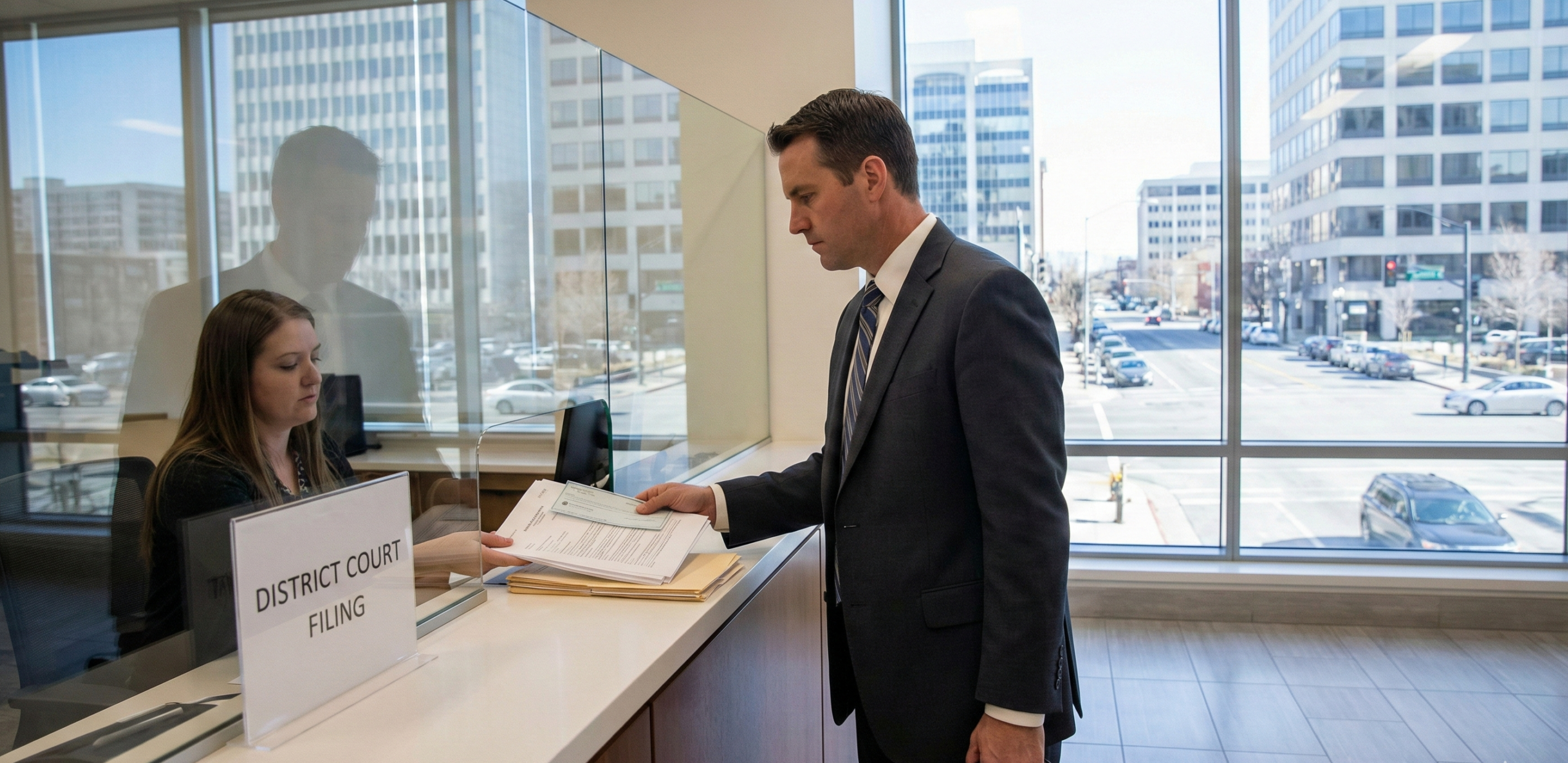
Arbitration is designed to be a faster way to resolve disputes than a full court trial. But if one side refuses to follow the arbitrator’s decision, the next step is often court enforcement. In many situations, that starts with asking a Utah court to confirm the award and enter a judgment based on it.
Once an award becomes a judgment, you may be able to use standard collection tools to pursue payment or compliance, depending on what the judgment requires. If you are still deciding whether arbitration is right for your situation, start with our Utah mediation and arbitration guide.
The video below gives a simple overview of enforcement and why courts can treat a confirmed arbitration award like a judgment.
Watch: How an Arbitration Award Can Be Enforced
The Instagram post below touches on litigation and arbitration strategy and why enforcement planning matters when you are trying to turn a win into real results.
Key Definitions and Utah Statutes
When people say “enforcing an arbitration award,” they are usually talking about a few related concepts: the written award, the court process to confirm it, and the enforcement tools used after judgment.
Arbitration award: The arbitrator’s written decision that resolves the dispute and states what each side must do, such as pay money, transfer property, or stop certain conduct.
Confirmation: A court process where a judge is asked to recognize the arbitration award and enter it as a judgment.
Vacate or modify: A request (usually by the losing party) asking the court to set aside or change the award under limited circumstances.
Judgment enforcement: The collection and enforcement tools available after a judgment is entered, which may include post-judgment discovery and other court-authorized steps.
Utah arbitration is governed by state statutes and court procedures, and the arbitration agreement itself can shape what happens next. If your dispute started as a business or contract issue, you may also want background on how these cases typically develop in court through our Utah contract dispute litigation guide.

Typical Court Procedures or Claim Steps
While every case is different, enforcing an arbitration award often follows a predictable path. The main idea is to move from an award to a court judgment, then use the normal judgment tools if the other side still will not comply.
Review the award and the arbitration agreement
Start by confirming what the award requires and checking the arbitration agreement for any rules about notice, timing, or follow-up steps.
Identify the correct Utah court and filing approach
Many enforcement actions involve filing a petition or motion to confirm the award. The proper venue can depend on the case, the parties, and what the agreement requires.
Serve the other side and watch deadlines
The losing party may have a limited window to object, ask to vacate, or request modification. Missing deadlines can change leverage quickly.
Attend any hearing and request entry of judgment
If the court confirms the award, it can enter a judgment consistent with the award’s terms, which is a major enforcement milestone.
Use judgment enforcement tools if compliance still does not happen
After judgment, enforcement may involve collection steps and follow-up court filings, depending on the facts and what the judgment requires.
If your dispute is already tied up in litigation steps like discovery and motions, these guides can help you understand the broader framework: Utah discovery, evidence, and motions practice guide and Utah trial preparation and appeals guide.
The video below is a practical walkthrough of enforcement steps after an award is issued.
Watch: How to Enforce Arbitration Awards Step by Step
The Instagram reel below discusses arbitration awards and enforcement at a high level and can help frame why courts typically do not re-try the underlying dispute.
Required Forms or Filings
Enforcement usually involves formal paperwork. The exact documents vary based on the court, the arbitration agreement, and whether the other side fights confirmation.
Petition or motion to confirm: A filing asking the court to recognize the award and enter judgment.
Supporting documents: Often includes the arbitration agreement, the final award, and proof of service or notice.
Opposition filings: The other side may file papers asking the court to vacate or modify the award, depending on the situation.
Proposed order or judgment: In many cases, the moving party provides draft language for the court to sign if confirmation is granted.
If the result you need is collection on a money award, it can help to understand how judgment collection works more generally. See collecting a judgment in Utah and Utah debt collection laws explained.
The Instagram reel below is not Utah-specific, but it provides helpful context about arbitration institutions and how awards are treated as formal outcomes in structured arbitration systems.
Common Mistakes to Avoid
Most enforcement problems come down to timing, paperwork, or unclear expectations about what a court can and cannot do with an award.
Waiting too long to act: Some deadlines can be short, especially if the other side plans to challenge the award. Delays can reduce options.
Assuming the court will re-decide the dispute: Confirmation is usually not a do-over of the arbitration. Courts typically focus on narrow legal grounds.
Filing incomplete materials: Missing the arbitration agreement, the signed award, or proper service can lead to rejection or delay.
Using vague judgment terms: If the relief is unclear, enforcement becomes harder. Clarity on amounts, dates, and obligations matters.
Skipping the collection plan: Even with a judgment, you may need strategy, asset information, and follow-up filings to actually collect.
The video below explains how a party can seek confirmation of an arbitration award in court, which is often the key bridge between an award and enforceable judgment.
Watch: Confirmation of an Arbitration Award
Next Steps
If you are trying to enforce an arbitration award, the goal is to move quickly and cleanly from award to judgment, then follow through with the right enforcement tools if the other side still will not comply.
Gather the key documents
Keep the arbitration agreement, final award, proof of service, and any related notices organized and easy to access.
Map the deadlines
Confirm the timing requirements in the award, the agreement, and Utah court procedures so you do not lose leverage.
Plan enforcement before you file
Think ahead about collection, assets, and what success looks like after judgment is entered.
Get legal guidance when the stakes are high
Enforcement can involve strategy and risk. A focused review can prevent avoidable delays and improve outcomes.
Talk With Gibb Law About Enforcing an Arbitration Award
Gibb Law is a Utah-based firm focused on clear, practical guidance. If you have an arbitration award and need help confirming it in court or enforcing a judgment, our team can help you understand your options and next steps.
Schedule a Consultation